Yes. Living in an RV full-time is generally legal in Texas, but Texas does not give RV owners an automatic right to use an RV as a permanent residence anywhere they choose. Whether full-time RV living is lawful depends largely on local zoning and land-use rules, county regulations, subdivision restrictions, and the location of the RV. Staying in a properly authorized RV park is different from placing an RV on private property and using it as a permanent home.
Does Texas Ban Full-Time RV Living?
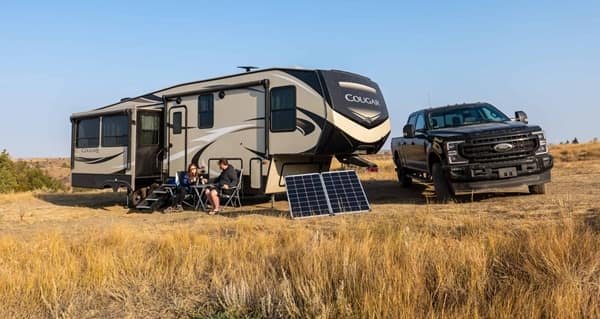
Texas does not have a blanket statewide prohibition against living in an RV year-round. State law recognizes recreational vehicle parks and regulates aspects of their operation. For example, Texas law defines a recreational vehicle park for purposes of water-utility regulation, showing that RV parks are a recognized land use.
However, the absence of a statewide ban does not mean every property can legally be used for full-time RV occupancy. Local governments can regulate land use, sanitation, utilities, building requirements, and other matters within their legal authority. The applicable rules can therefore differ substantially from one Texas county or municipality to another.
Can You Live in an RV on Private Property?
Sometimes. Owning land does not automatically mean that an owner can place an RV there and use it as a permanent dwelling without complying with local requirements.
A city may have zoning rules that determine whether an RV can be occupied on residential, agricultural, or other property. Counties may also have rules concerning septic systems, wastewater, utilities, floodplains, and health and safety. In an unincorporated area, the regulatory situation can be different from that within city limits.
Before moving into an RV on private land, an owner should check the applicable county and municipal regulations rather than relying on the general statement that Texas is RV-friendly.
What About RV Parks?
Living full-time in a properly operated RV park is generally easier from a land-use perspective because the property is specifically designed for recreational vehicles. Texas law recognizes RV parks as a distinct category, and state requirements can apply to their facilities and operations.
Texas Health and Safety Code Chapter 762, which addresses campgrounds and related facilities, incorporates the National Fire Protection Association standard for recreational vehicle parks and campgrounds and limits certain local regulation. These rules address sanitation, electrical safety, liquefied petroleum gas, and fire protection.
An RV park may also have its own lease, occupancy, and length-of-stay rules. Therefore, park policies can affect whether a resident may stay indefinitely even when the land-use classification permits RV occupancy.
Are Utilities and Septic Systems Important?
Yes. Full-time occupancy usually involves electricity, water, sewage, and waste disposal. Connecting an RV to utilities or installing a septic system may trigger additional requirements.
A property owner should determine whether the location has an approved wastewater system and whether the RV may legally connect to it. Improper disposal of sewage or wastewater can create health and environmental issues even if occupying the RV would otherwise be permitted.
Can an HOA Restrict RV Living?
Potentially. If the property is governed by a homeowners’ association, the subdivision’s declaration and other dedicatory instruments may impose restrictions concerning RV parking, storage, occupancy, or residential use.
Texas Property Code §209.015 recognizes that parking or storage of an RV can be included in residential purposes when specifically permitted by the applicable dedicatory instrument. This does not create a general right to live in an RV; the governing documents and applicable statutes must be reviewed.
What Happens If RV Living Violates Local Rules?
Possible consequences depend on the applicable ordinance or restriction. A property owner could receive a notice of violation, be required to stop the unauthorized use, or face civil or administrative penalties. HOA enforcement may involve notices, fines, or other remedies allowed by the governing documents and Texas law.
Conclusion
Full-time RV living is generally legal in Texas, but it is not automatically permitted on every property. RV parks, private land, municipalities, counties, and HOAs can operate under different rules concerning occupancy, zoning, utilities, sanitation, and property use.
The safest approach is to verify the rules for the specific property before making an RV a permanent residence. Checking zoning, deed restrictions, wastewater requirements, and RV-specific local regulations can help prevent disputes or enforcement action.