Yes. Digging a private water well is generally legal in Texas, but landowners must comply with state well-construction requirements and any applicable rules of a local groundwater conservation district (GCD). Texas recognizes a landowner’s ownership interest in groundwater beneath the property, but that right is subject to regulation, including local permitting, spacing, construction, and production requirements.
Does Texas Require a Permit to Drill a Private Well?
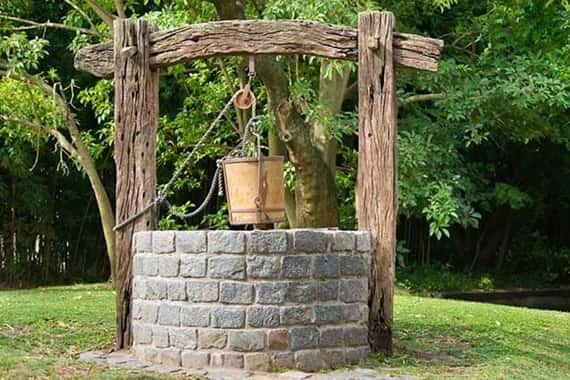
There is no single statewide drilling permit required for every private well. The rules depend largely on the location of the property.
Texas Water Code Chapter 36 authorizes groundwater conservation districts to regulate groundwater production and, in applicable circumstances, require permits before a well is drilled or operated. A district may establish requirements involving well spacing, tract size, production, and other groundwater-management issues.
The Texas Water Development Board (TWDB) states that private well owners generally do not have to register their wells with the state unless the property is within a groundwater conservation district. Because GCD rules vary, landowners should determine whether their property falls within a district before beginning construction.
Can You Drill a Well on Your Own Property?
Texas allows landowners to drill a water well on their own property under applicable conditions. The Texas Department of Licensing and Regulation (TDLR) states that Texas law allows landowners to drill water wells on their own property, while licensed professionals generally perform water-well drilling and pump installation as regulated occupations.
A landowner who drills a well personally is still responsible for complying with applicable construction and reporting requirements. Self-drilling does not mean the well is exempt from state technical standards or local groundwater-district rules.
Does the Well Have to Be Registered?
A private well does not necessarily have to be registered with a state agency in every part of Texas. According to TWDB, private well owners generally do not need state registration unless their property is located within the jurisdiction of a groundwater conservation district with applicable requirements.
However, a State of Texas Water Well Report is required when a new well is drilled. TWDB explains that registered water-well drillers and landowners who drill their own wells must submit the required well report. The report provides important information about the well, including its location and construction.
How Does Groundwater Ownership Work in Texas?
Texas follows a distinctive approach to groundwater ownership. Texas Water Code Section 36.002 recognizes groundwater below a landowner’s property as belonging to the landowner, subject to statutory limitations and applicable groundwater-district regulation.
Texas has historically followed the rule of capture, under which a landowner generally may capture groundwater beneath the property. However, the rule is not unlimited. Texas recognizes restrictions against maliciously harming a neighbor, wasteful use, negligent pumping that causes subsidence on neighboring property, and drilling a slant well that crosses a property boundary.
Can a Groundwater District Restrict Your Well?
Yes. This is one of the most important issues for a Texas landowner considering a private well.
Groundwater conservation districts have authority to regulate groundwater production within their jurisdictions. Depending on the district’s rules, a landowner may need a permit, registration, or approval before drilling or operating a well. District rules may also address well spacing, production limits, and other requirements.
Texas currently has numerous groundwater conservation districts covering substantial portions of the state. Therefore, the fact that a neighboring property has a private well does not necessarily mean a new well can be drilled under identical conditions.
What Happens to an Abandoned Well?
A landowner remains responsible for an abandoned or deteriorated water well. TDLR states that the landowner may hire a licensed professional to plug the well or, where permitted, plug the well personally while following applicable requirements and submitting the required report.
Proper plugging helps prevent contamination and protects groundwater resources.
Can You Use the Well for Household Water?
Generally, yes. Private wells are commonly used for domestic purposes, including household water. However, private wells are not regulated like public water systems. TCEQ explains that a water system serving at least 15 service connections or at least 25 people for the required period may qualify as a public water system and become subject to additional requirements.
Private well owners are responsible for monitoring their own water quality. Testing is particularly important when the well supplies drinking water.
Conclusion
Digging a private well is generally legal in Texas, but the process is not completely unrestricted. Landowners must consider state well-construction standards, water-well reporting requirements, local groundwater conservation district rules, and applicable property and environmental requirements.
Before drilling, a property owner should determine whether the property lies within a groundwater conservation district and whether that district requires a permit or registration. Because local groundwater rules can differ substantially, checking the applicable district requirements before construction is an important step in keeping a private well lawful.