Yes, keeping a rooster can be legal in Texas, but there is no single rule that applies statewide to every property. Texas law gives municipalities authority to regulate roosters in certain circumstances, and cities can adopt different rules concerning whether roosters may be kept, where coops may be located, and how noise or sanitation is handled. Local ordinances therefore matter significantly.
Is There a Statewide Ban on Roosters?
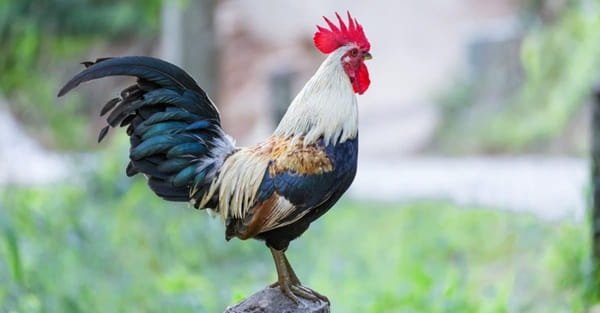
Texas does not impose a blanket statewide ban on keeping domestic roosters. The Texas Agriculture Code addresses local regulation of agricultural operations and, in Section 251.007, specifically recognizes that a municipality may regulate the raising or keeping of roosters as a reasonable governmental requirement in circumstances covered by the statute.
Texas A&M AgriLife’s Texas Agriculture Law program noted in 2026 that there is still legal uncertainty about when the state’s Right to Farm protections apply to backyard chicken operations and whether a particular city restriction is enforceable. That means the legality of a local rooster restriction can depend on the facts and the property’s status.
Can Cities Prohibit Roosters?
Yes, local governments can have rules that prohibit or restrict roosters. Dallas provides a clear example. Its current city code states that a person commits an offense by owning a live rooster within the city, subject to listed exceptions. Those exceptions include certain agricultural-production premises, government or research programs, approved exhibitions, and slaughter facilities.
Dallas also requires a rooster that falls within an exception to be confined in an appropriate enclosure. The code addresses enclosure distance from property lines, nuisance conditions, and noise restrictions.
Houston takes a different approach. Its code expressly prohibits possession or sale of roosters or male chickens, subject to limited defenses. The city’s rules also establish location, sanitation, and permit requirements for certain chicken keeping. These examples demonstrate why a statewide answer cannot determine whether a rooster is lawful at a particular Texas address.
Are Roosters Legal in Rural Texas?
Rural property can provide more flexibility, but rural does not automatically mean unrestricted. County regulations, deed restrictions, nuisance laws, zoning rules where applicable, and agricultural requirements may still affect ownership.
For property outside municipal limits, the relevant county and state rules should be checked, along with any deed restrictions, lease terms, or property-association rules.
Does the Number of Chickens Matter?
It can. Texas law contains specific protections concerning the keeping of small numbers of chickens, but the rules concerning roosters and agricultural operations are more complicated than simply counting birds. A local ordinance may distinguish between hens and roosters or establish different requirements based on flock size, zoning, or the property’s use.
The fact that a person is legally allowed to keep hens does not necessarily mean the same person may keep a rooster.
Can Noise Make Rooster Ownership Illegal?
Yes. Roosters can create recurring noise, and local animal-control or nuisance rules may regulate excessive or unreasonable noise. Even where a rooster is otherwise permitted, failing to comply with local noise requirements can create an enforcement issue.
Local laws may also address sanitation, odors, flies, escape prevention, and the distance between a coop and neighboring property.
Do HOA Rules Affect Rooster Ownership?
They can. Private deed restrictions, leases, and homeowners’ association rules are separate from municipal ordinances. A property owner may therefore have to satisfy both public regulations and private restrictions.
Texas’s Right to Farm laws can create important protections for qualifying agricultural operations, but they do not automatically resolve every dispute involving backyard poultry. A homeowner facing an HOA or local enforcement dispute should review the governing documents and obtain legal advice.
What Should You Check Before Keeping a Rooster?
Before acquiring a rooster, check the city’s animal-control and zoning codes, county requirements if applicable, coop and setback rules, noise and nuisance provisions, HOA or deed restrictions, and any agricultural-law protections that may apply. It is also wise to determine whether the property is inside municipal limits.
Conclusion
Keeping a rooster is not categorically illegal in Texas. State law does not create a universal prohibition, but local governments can impose restrictions, and some Texas cities expressly prohibit or limit rooster ownership. Dallas and Houston illustrate how substantially local rules can differ.
Therefore, the answer for a particular property depends on its location, zoning, applicable local ordinance, property restrictions, and the circumstances of the poultry operation. Anyone planning to keep a rooster should check the current rules for the exact property before bringing one home. This article provides general legal information and is not a substitute for advice from a Texas attorney.