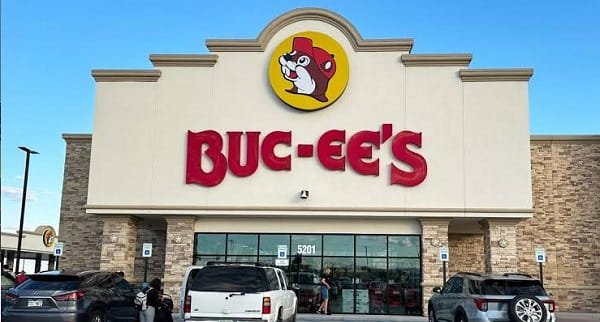
Buc-ee’s is one of the best-known travel-center and convenience-store brands in the United States. The Texas-founded company is famous for its large stores, fuel stations, food products, merchandise, and smiling beaver mascot. Along with its rapid expansion, Buc-ee’s has developed a reputation for closely protecting its name, logo, mascot, and other intellectual property.
Over the years, Buc-ee’s Ltd. has filed a number of lawsuits against convenience stores and other businesses that it claims use names, logos, mascots, or branding too similar to its own. Many of these disputes involve federal trademark law and the question of whether consumers could mistakenly believe another business is associated with Buc-ee’s.
Why Has Buc-ee’s Filed So Many Trademark Lawsuits?
Most of Buc-ee’s better-known lawsuits concern trademark infringement rather than ordinary business disputes.
Under U.S. trademark law, companies can take legal action when they believe another party’s branding is likely to cause confusion about the source, sponsorship, or affiliation of products or services.
For Buc-ee’s, its beaver mascot is particularly important. The company has spent decades developing a recognizable image built around the smiling cartoon beaver and the Buc-ee’s name.
As a result, Buc-ee’s has challenged businesses using not only beaver characters but also other cartoon animal mascots when it believes the overall design comes too close to its protected branding.
Buc-ee’s Lawsuit Against Beaver’s Mini Mart
One of the newest Buc-ee’s lawsuits was filed on July 28, 2026, against Beaver’s Mini Mart, a convenience store in Beavercreek, Ohio.
Buc-ee’s alleges that Beaver’s Mini Mart uses a cartoon beaver logo and red-colored branding that could lead customers to believe there is some connection between the two businesses. The complaint seeks relief under federal trademark law and asks the court to restrict continued use of the disputed branding.
The case has attracted considerable attention in Ohio because Beaver’s Mini Mart argues that its beaver imagery reflects the identity and history of Beavercreek rather than an attempt to copy Buc-ee’s. Local residents and community leaders have publicly supported the smaller business.
The lawsuit is still developing, so allegations made by Buc-ee’s should not be treated as findings that trademark infringement actually occurred.
Buc-ee’s vs. Mickey Mart in Ohio
Another significant 2026 dispute involves Coles IP Holdings, the company associated with Ohio-based Mickey Mart.
Buc-ee’s filed the federal lawsuit on February 18, 2026. Mickey Mart uses a smiling cartoon moose mascot, while Buc-ee’s uses its famous cartoon beaver. Buc-ee’s argues that similarities in the presentation of the mascots and the convenience-store services offered by both companies could create consumer confusion.
The lawsuit is particularly interesting because the competing character is a moose rather than a beaver. This means the case may turn less on whether the animals themselves are identical and more on the overall appearance of the marks and the likelihood that consumers could associate the businesses.
As of August 2026, the federal case remained active, with court scheduling extending into 2027.
Buc-ee’s Lawsuit Against Teddy’s Market
Buc-ee’s also filed a federal lawsuit in Georgia in 2026 against Teddy’s Market.
The dispute again focuses on a cartoon-animal mascot. Buc-ee’s alleges that aspects of Teddy’s branding resemble features associated with its own well-known beaver character. The case was filed in the U.S. District Court for the Northern District of Georgia.
The Teddy’s Market case demonstrates how broadly Buc-ee’s monitors branding used by other convenience-store operators as the company expands into additional parts of the United States.
As with other pending cases, filing a trademark infringement complaint does not itself establish that the defendant violated the law. That question must either be decided by the court or resolved through settlement.
The Duckees Trademark Dispute and Settlement
Buc-ee’s previously sued Missouri-based Duckees Drive Thru, arguing that the business used a name and cartoon duck branding that was too similar to Buc-ee’s.
The lawsuit was filed in November 2024. Buc-ee’s pointed to features including the name “Duckees,” the cartoon animal character, and the way the character appeared against a circular background. Duckees denied that its branding unlawfully infringed Buc-ee’s rights.
The parties eventually reached a settlement in 2025. The federal case was dismissed with prejudice in October 2025. The detailed financial terms of the settlement were not publicly disclosed.
By August 2026, the Missouri business was preparing to operate under the new name Duck N Go Full Service Drive Thru.
Buc-ee’s Victory in the Choke Canyon Case
One of Buc-ee’s most significant earlier trademark victories involved Choke Canyon, another Texas convenience-store business.
Instead of a beaver, Choke Canyon used a cartoon alligator mascot. Buc-ee’s argued that the overall presentation of the competing logo was sufficiently similar to its beaver branding to constitute infringement.
In May 2018, a federal jury found in favor of Buc-ee’s on its trademark claims. The dispute was later settled, with a permanent injunction remaining in effect against use of the challenged Choke Canyon logo.
The case became an important example of Buc-ee’s willingness to challenge branding even where the competing mascot represents a different animal.
However, Buc-ee’s has not won every trademark dispute. In its litigation involving Buck’s/Bucky’s stores in Nebraska, a federal court dismissed several of Buc-ee’s trademark and related claims, and a later arbitration award resulted in a $400,000 judgment in favor of Buck’s Inc. and Steven Buchanan against Buc-ee’s Ltd.
What Buc-ee’s Lawsuits Mean for Other Businesses
Buc-ee’s legal history shows the importance of trademark protection for businesses operating in the same industry.
When deciding whether one trademark infringes another, courts generally look at more than whether two logos appear somewhat alike. Factors can include the strength of the existing trademark, similarity between the marks, similarity between the businesses, marketing channels, evidence of actual confusion, and the likelihood of consumer confusion.
For Buc-ee’s, aggressive enforcement can help prevent its distinctive branding from becoming associated with unrelated businesses. Critics, however, have questioned whether some lawsuits attempt to claim protection over branding features—such as smiling cartoon animals or certain color combinations—that may also be used independently by smaller businesses.
That debate became especially visible in 2026 as the lawsuits against Mickey Mart, Teddy’s Market, and Beaver’s Mini Mart attracted wider public attention. Buc-ee’s position is that it is protecting valuable trademarks developed over decades, while defendants and critics in some cases argue that consumers are capable of distinguishing the brands.
Ultimately, each trademark case depends on its individual facts. Some Buc-ee’s lawsuits have ended in victories or settlements requiring branding changes, while other litigation has produced less favorable results for the company. The continuing cases in Ohio and Georgia will further test how broadly Buc-ee’s trademark rights can extend as the travel-center chain expands across the United States.