A roadside obstruction can create a dangerous situation when a driver has little time or space to react. Debris, construction equipment, fallen materials, or a vehicle blocking part of the road may force someone to move into another lane. If that maneuver leads to a collision, responsibility may extend beyond the driver who was forced to swerve.
Arlington is a city in Washington. Arlington drivers encounter a range of road conditions, including construction areas, busy commuter routes, and streets with limited shoulder space. When an obstruction contributes to a crash, a dedicated car accident attorney in Arlington may help investigate who created the hazard, who controlled the area, and whether reasonable precautions were taken.
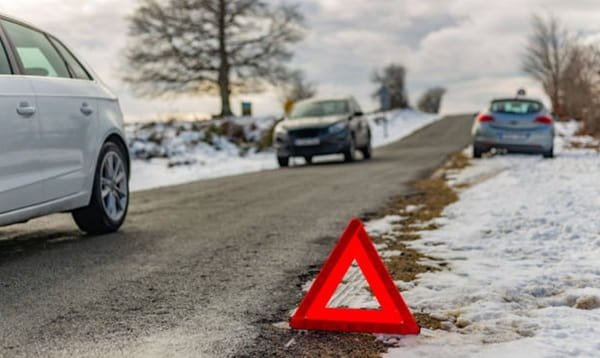
The Source of the Obstruction Matters
The first step is identifying what was blocking the road. Different hazards can point to different potentially responsible parties.
For example, a construction company may have left equipment or materials too close to an active lane. A cargo operator may have failed to secure a load, allowing items to fall onto the roadway. A vehicle owner may have stopped in a dangerous position without adequate warnings.
In other situations, the obstruction may have been created by an earlier collision or a natural event. Responsibility then depends on who had a duty to address the hazard and whether they had a reasonable opportunity to do so.
Could the Driver Who Swerved Be Held Responsible?
A driver who moves into another lane may still have to show that the maneuver was reasonable under the circumstances. The fact that an obstruction appeared suddenly does not automatically excuse every action taken afterward.
Investigators may consider how much warning the driver had, whether braking was possible, the speed of nearby traffic, and whether the driver had a safe alternative. A sudden emergency can be relevant when evaluating the reasonableness of a driver’s response, but the surrounding facts remain important.
The other vehicle’s conduct also matters. If that driver was speeding, following too closely, or changing lanes unsafely, they may share responsibility for the collision.
How Investigators Can Reconstruct the Crash
A collision caused by an obstruction may involve several events happening within seconds. Evidence should help establish the order in which those events occurred.
Important sources may include:
- Photographs showing the obstruction and its position.
- Dashcam or traffic camera recordings.
- Police reports and witness statements.
- Skid marks, debris patterns, and vehicle damage.
- Construction contracts and work-zone inspection records.
- Delivery records or information about unsecured cargo.
- Maintenance logs showing whether the hazard had been reported.
The location of the obstruction can be especially important. A hazard placed on a shoulder may leave a driver with a different set of options than one blocking an active travel lane.
Can More Than One Party Be Responsible?
Yes. A road obstruction accident may involve several parties whose actions contributed to the same event.
A contractor may have placed equipment too close to traffic, while a driver may have failed to maintain a safe following distance. A government entity may also become relevant if it had responsibility for a dangerous road condition and the legal requirements for liability are met.
What to Do After an Obstruction-Related Crash
Move to a safe location if possible and contact emergency services when necessary. Avoid standing in an active lane to photograph the hazard. Once it is safe, document the scene and identify witnesses.
Do not move or discard relevant evidence unless necessary for safety. If the obstruction is still present, report it to the appropriate road or emergency authority so it can be addressed.
Pro Tip: Photograph the obstruction in relation to the roadway, not just as a close-up. Showing lane markings, shoulder width, warning signs, and nearby traffic conditions can help explain why a driver had limited room to react.
Frequently Asked Questions
Q. Can a construction company be responsible for an obstruction-related crash?
Possibly. Liability may arise if the company created an unsafe condition or failed to use appropriate traffic-control measures.
Q. What if the obstruction appeared only moments before the crash?
The timing may affect whether anyone had a reasonable opportunity to discover or remove the hazard. Evidence about when it appeared can be important.
Q. Can the driver who swerved still be partly at fault?
Yes. The driver’s speed, awareness, and response may be evaluated alongside the conduct of the party responsible for the obstruction.