Buying a property or investing in a building is a major step. You expect the walls to be sound, the roof to keep out rain, and the plumbing and electrical systems to work as they should. But what happens when serious problems appear soon after construction is complete?
A leaking roof, cracked foundation, or faulty drainage system can lead to costly repairs and even put people at risk. For property owners in New York City, these issues can be more complex because buildings often have shared spaces, several owners, and rules set by local building codes. Knowing when a construction defect may support a legal claim can help protect both your property and your money.
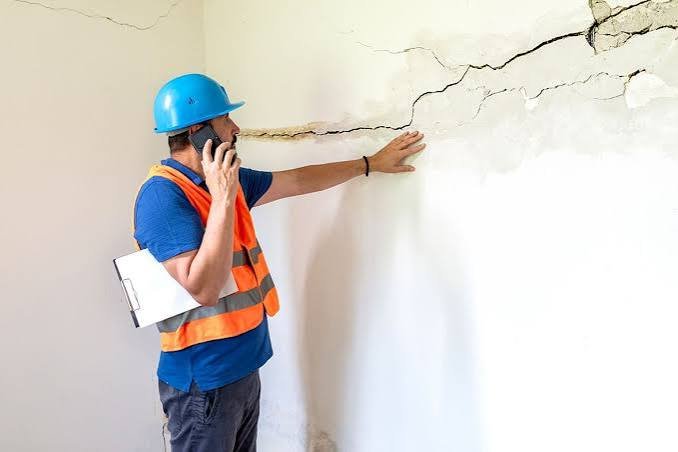
What Counts as a Construction Defect?
A construction defect is a problem caused by poor design, faulty materials, or work that was not done properly. Some issues are easy to spot, while others stay hidden until they cause damage.
Common examples include:
- Cracks in walls, floors, or foundations
- Roof leaks and poor waterproofing
- Faulty plumbing that causes water damage
- Poor drainage around the building
- Heating or cooling systems that do not work as planned
- Unsafe balconies, stairs, or other shared areas
Not every small flaw gives an owner grounds to sue for a construction defect. A loose handle or a minor paint issue may only need a simple repair. However, a defect that affects safety, causes major damage, or goes against the terms of a building contract may raise a more serious legal concern.
When Can a Property Owner Sue?
A property owner may have grounds for a claim when a defect causes real harm, and there is a legal reason to hold another party responsible. This may happen when a contractor ignores agreed plans, a developer uses poor materials, or a design professional makes an error that leads to damage.
The contract is often a good place to start. It may explain what work was promised, which materials were required, and what standards the builder had to meet. A claim may also involve a written warranty or a failure to follow building codes.
For owners dealing with a serious property dispute, a real estate litigation lawyer in NYC can help review the facts and explain whether there may be grounds for legal action. This can be especially important when the problem involves a developer, contractor, or a shared part of a residential building.
What Evidence Should You Collect?
If you notice a possible defect, start keeping records as soon as possible. Waiting can make it harder to show when the problem began and how much damage it caused.
Try to collect:
- Photos and videos showing the defect over time
- Copies of construction contracts and warranties
- Inspection reports and repair estimates
- Emails or letters sent to the builder or contractor
- Receipts for repairs and other related costs
It may also help to have the affected area checked by a qualified building expert. An expert can explain what caused the problem and whether the work appears to meet the required standards.
Avoid rushing into major repairs before the damage has been properly recorded. Of course, if there is an immediate safety risk, take steps to protect residents and prevent further harm. Keep records of any urgent work that must be done.
What If the Defect Affects a Shared Building?
This is a common issue in condos, co-ops, and managed residential communities. A roof leak, faulty elevator, or damaged exterior wall may affect more than one apartment.
In these cases, the board or association may have a role in deciding how the problem should be handled. The building’s governing documents can help show who is responsible for repairs and which areas are considered shared property.
Owners should keep the board informed and ask for copies of inspection reports, repair plans, and contractor records. If the board, developer, or contractor disagrees about who should pay, the matter may turn into a larger property dispute.
Wrapping Up
Construction defects can lead to more than repair bills. They may affect safety, lower property value, and create tension between owners and building managers. Some problems also become more expensive when they are left untreated.
If you suspect a serious defect, document what you see, review the relevant contracts, and seek a professional inspection. New York law also sets deadlines for different types of legal claims, so waiting too long can affect your options.
Taking action early gives property owners a better chance of finding the cause, understanding who may be responsible, and protecting the value of their investment.