Been in a car accident and left with more than just a busted bumper?
The pain sometimes continues long after the metal stops crunching. Victims often suffer from chronic pain, sleepless nights, and years of emotional trauma after the tow truck drives away.
Here’s the good news:
That sort of pain and suffering matters. And it can be included in a car accident claim, in addition to medical expenses and lost income.
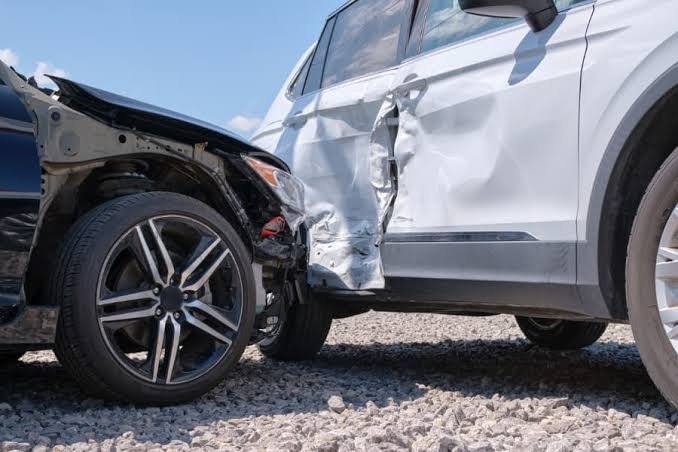
Learn precisely what pain and suffering includes in a car accident case, how it’s calculated, and what evidence you need to seek fair compensation.
What’s inside this guide:
- What Is Pain and Suffering?
- The Types of Pain and Suffering Damages
- How Pain and Suffering Gets Calculated
- Proving Pain and Suffering in a Car Accident Claim
What Is Pain and Suffering?
Pain and suffering refers to physical and emotional injuries from an accident, in legal terms.
General damages refers to a non-economic injury. Which means there is no receipt or invoice. It encompasses everything that stings about being in an accident that doesn’t have a dollar amount on an invoice.
Think of it like this:
Medical bills and lost wages equal the total “hard costs” of a car accident. Pain and suffering encompasses everything else that doesn’t show up on a calculator.
Attorneys use this category to advocate for fair compensation for every way the crash affected their client’s life. And that toll can be huge. If you need to hire a car accident attorney after a serious collision, know that pain and suffering often make up the largest portion of a victim’s settlement. Insurance companies know that too, and they’ll fight you tooth and nail to reduce it.
That’s why understanding what actually counts is so important.
The Types of Pain and Suffering Damages
Pain and suffering refers to the various types of physical and emotional injuries you may experience after an auto accident.
Here are the main ones.
Physical Pain
The literal hurt you feel physically. This ranges from stubbed toes/whiplash to broken bones to chronic pain.
The burden is greater than many might assume. One study found that 45% of victims of road traffic injuries experienced crash-related chronic pain after two years. Pain that persists long after the lawsuit is settled.
Emotional Distress
Bruises from a car accident are not the ones you can see on X-ray. Examples of emotional distress are:
- Anxiety and panic attacks
- Depression
- Insomnia
- Mood swings
- Fear of driving
These problems are widespread. In fact, car accidents are thought to be one of the leading causes of PTSD in the general population. Many victims suffer from symptoms for months or years following the accident.
Loss of Enjoyment of Life
This one is often overlooked but hugely important.
If a car accident prevents you from doing what you love — playing with your kids, running, hiking, playing your favorite sport — that’s loss worth factoring in too. Life isn’t about working to pay bills. If an accident robbed you of that then you deserve to be compensated for it.
Loss of Consortium
This includes damages to close relationships. If an injury affects a marriage or family relationship you shared, that can be claimed too.
How Pain and Suffering Gets Calculated
Here’s where things get tricky.
Medical bills have a dollar value. Pain and suffering does not. How do attorneys and insurance companies determine a value?
Two main methods.
The Multiplier Method
The most common approach. It works like this:
- Add up all the “hard” costs (medical bills, lost wages, etc.)
- Pick a multiplier between 1.5 and 5
- Multiply the two numbers together
Multiplier depends on severity of injuries. Sprained neck = 1.5. Permanent disability = 5.
Example: $20,000 in medical bills x 3 = $60,000 pain and suffering damages.
The Per Diem Method
Per diem is Latin for “per day”. Under this technique, a dollar figure is placed on the victim’s pain and suffering for each day — sometimes based on the victim’s usual daily earnings — which is then multiplied by the number of days the injuries impacted the victim.
Insurance companies don’t like this method very much. The total can get large quickly with long-term injuries.
It depends on the situation. Experienced car accident attorneys will usually compute both and negotiate for the larger amount.
Proving Pain and Suffering in a Car Accident Claim
Here’s the tough part:
Pain and suffering can’t be seen. There’s no scan you can take that reveals anxiety. No test that can quantify how badly someone misses their morning jogs. Which makes it more difficult to validate.
But not impossible.
The key is documentation. Loads and loads of it.
The most useful types of evidence include:
- Medical records — every doctor visit, every diagnosis, every prescription
- A pain journal — daily documentation of pain level, mood and how injuries impact daily activities
- Therapist notes — proof of emotional distress and mental health impact
- Witness statements — from family and friends who’ve seen the changes
- Photos and videos — of injuries and recovery over time
- Expert testimony — from doctors, psychologists, or vocational experts
It needs to be super detailed. Writing “back hurt today” in your diary isn’t going to cut it. Hours upon hours of you writing in your diary about your struggles will.
If you get into an accident, write down everything that happened right then and there. You don’t want the insurance company to say months later that your injuries weren’t that severe.
Why Insurance Companies Fight These Claims
Insurance companies know pain and suffering can double or triple a settlement.
So they push back. Hard.
Some common tactics involve low ball offers, endless documentation requests and claims that injuries were “pre-existing”. If you are single-handedly battling these tactics, you are probably greatly outweighed.
Statistics prove this point. Approximately 2.38 million individuals were injured across US roadways in 2022, and only a small percentage of these victims ever receive a fair pain and suffering settlement upon their initial offer. That’s why so many victims hire attorneys who specialize in car accidents.
Bringing It All Together
Pain and suffering refers to a significant aspect of any car accident case. It includes the physical and emotional toll a crash has on you — beyond your medical expenses.
The quick recap:
- Pain and suffering = non-economic damages
- Covers physical pain, emotional distress, loss of enjoyment, and loss of consortium
- Calculated using either the multiplier or per diem method
- Proving it takes strong, consistent documentation
The moral of the story? All crashes aren’t the same and all claims shouldn’t be treated the same. If you’ve been injured in a serious wreck, you may want to reconsider any initial offer made by an insurance company. Often, the true value in a claim is represented by the pain and suffering component — and that’s what insurance companies want to keep hidden.
Getting the right advice early can make all the difference.