Roblox Corporation is facing one of the most significant periods of legal scrutiny in the company’s history. The online gaming and social platform, which is particularly popular among children and teenagers, has become the target of lawsuits brought by families, state attorneys general, and other plaintiffs across the United States.
The most serious current litigation concerns allegations that Roblox failed to adequately protect minors from sexual predators and exploitation. Other legal disputes involve claims related to gambling with Robux, misleading statements about platform safety, addictive design, consumer protection, and the treatment of young creators.
Roblox denies that it intentionally puts children at risk and says it continues to invest heavily in age verification, moderation, parental controls, and other safety measures. Many of the current lawsuits remain at an early stage, meaning allegations contained in complaints have not necessarily been proven in court.
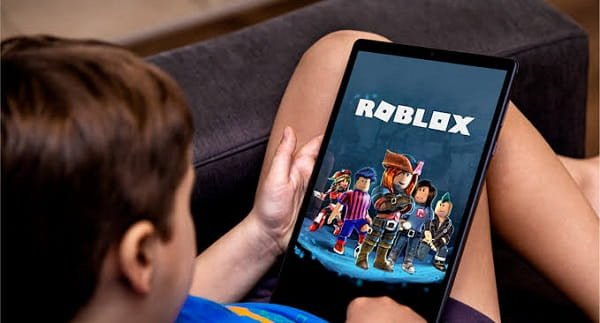
Why Are Lawsuits Being Filed Against Roblox?
A large portion of the current Roblox litigation centers on the company’s responsibility for protecting children who use its platform.
Plaintiffs have alleged that predators can create accounts, communicate with minors, establish relationships with them and, in some cases, persuade children to continue conversations through other services such as Discord, Snapchat, Instagram, texting or video calls.
The lawsuits generally argue that Roblox knew or should have known about these risks and should have implemented stronger safeguards, including better age and identity verification, parental controls and warnings to families.
Claims appearing in the litigation include negligence, failure to warn, design defect, fraudulent or negligent misrepresentation and violations of consumer-protection laws. Roblox disputes allegations that its platform was deliberately designed or operated in a way that facilitates exploitation.
Roblox Child Sexual Exploitation Lawsuits Become a Federal MDL
The most important development came in December 2025 when the U.S. Judicial Panel on Multidistrict Litigation created MDL No. 3166, In re: Roblox Corporation Child Sexual Exploitation and Assault Litigation.
The federal cases were centralized in the U.S. District Court for the Northern District of California before Chief Judge Richard Seeborg.
When the MDL was established, the Judicial Panel identified 31 lawsuits pending in 12 federal districts and had been informed of another 48 potentially related cases. The plaintiffs generally allege that minors were targeted or groomed by predators through Roblox and, in some cases, were subsequently sexually exploited or assaulted.
The litigation has grown considerably since then.
According to the Judicial Panel’s latest statistics dated August 3, 2026, MDL 3166 had 177 pending actions and 182 total historical actions.
Centralizing the cases does not mean that Roblox has been found liable. Multidistrict litigation allows common pretrial matters such as discovery, motions and evidence disputes to be coordinated before one federal judge.
State Attorneys General Are Also Suing Roblox
Roblox’s legal problems are not limited to private lawsuits brought by families.
A growing number of state governments have brought their own actions concerning child safety and consumer protection.
Roblox disclosed in its July 30, 2026 quarterly filing with the Securities and Exchange Commission that attorneys general or other authorities had brought lawsuits in Arkansas, Florida, Indiana, Iowa, Kentucky, Louisiana, Nebraska, Oklahoma, Tennessee and Texas. Los Angeles County in California has also filed an action.
Louisiana Attorney General Liz Murrill sued Roblox in August 2025, alleging that inadequate safety measures allowed predators to target children and that representations concerning the safety of the platform were misleading.
Kentucky subsequently filed its own complaint alleging problems with age verification, content controls and protections against predators. Florida Attorney General James Uthmeier sued Roblox in December 2025, accusing the company of misrepresenting platform safety while failing to adequately protect children from inappropriate content and predators.
These lawsuits are based on different state statutes, so the legal claims and possible remedies vary from one jurisdiction to another.
Texas and Iowa Cases Survive Important Challenges
Some state lawsuits have already produced significant preliminary rulings.
Texas Attorney General Ken Paxton filed a lawsuit against Roblox in November 2025 alleging violations of the Texas Deceptive Trade Practices Act and state common-nuisance law.
On March 6, 2026, a Travis County court partially granted Roblox’s motion to dismiss. The court dismissed Texas’ common-nuisance claim but allowed its Deceptive Trade Practices Act claim to continue.
A similar development occurred in Iowa.
On May 13, 2026, the Polk County District Court partially granted and partially denied Roblox’s attempt to dismiss Iowa’s case. Iowa is pursuing a claim under the state’s Consumer Fraud Act. Some factual allegations were ruled non-actionable, but the entire lawsuit was not dismissed.
These rulings do not determine whether Roblox ultimately violated the law. They primarily decide which claims may continue through later stages of litigation.
Robux Gambling and Other Roblox Lawsuits
Another major category of Roblox litigation involves Robux, the platform’s virtual currency.
Parents previously brought a proposed class action alleging that minors were able to use Robux on third-party virtual casino websites. The plaintiffs argued that Roblox knew about the activity and financially benefited when Robux moved through its system.
A federal judge dismissed several claims against Roblox in October 2025, concluding that the plaintiffs had not adequately established violations under the gambling laws relied upon for those particular claims. Other aspects of litigation involving operators connected with virtual casinos have continued.
Roblox itself acknowledged in its July 2026 SEC filing that it faces or could face proceedings involving allegations related to gambling by minors, unsafe platform design, addictive features, child labor, copyright infringement, refund policies and representations about its user base.
The company has also disclosed shareholder-related litigation alleging that statements concerning growth, child safety, parental controls and age-verification systems were misleading. Those allegations represent a separate category of litigation from the personal-injury cases brought by children and their families.
How Roblox Has Responded to the Lawsuits
Roblox strongly disputes suggestions that it knowingly allows children to be exploited.
After Louisiana filed its lawsuit, the company said that claims suggesting Roblox intentionally puts users at risk were untrue. Roblox acknowledged that no safety system is perfect and that bad actors continually attempt to evade moderation, including by moving conversations from Roblox to other platforms.
The company has introduced a series of additional child-safety measures.
In 2026, Roblox announced new age-based account structures known as Roblox Kids for users ages 5 to 8 and Roblox Select for users ages 9 to 15. The changes include age checks, stronger default restrictions, expanded parental controls and additional review requirements for games available to younger users.
Roblox has also said that chat access increasingly depends on age checks and that parents can control communications, screen time, spending and access to individual games.
Whether Roblox’s earlier safeguards were legally adequate remains one of the central questions in the pending litigation.
Roblox Lawsuit Settlements and Current Status in 2026
The Roblox litigation is still developing, and there is currently no single nationwide settlement amount for children or families bringing personal-injury claims.
However, Roblox has already reached agreements with some state governments.
In its latest SEC filing, Roblox reported settlement agreements with Alabama, Mississippi, Nevada, South Dakota and West Virginia as of July 30, 2026. The company also said it was negotiating with certain other states concerning youth-related consumer-protection and digital-safety issues.
Roblox reported recording $91 million in expenses during the first six months of 2026 associated with settlement agreements and settlement discussions that had occurred. That figure should not be confused with a compensation fund for individual victims; it relates to state settlements and negotiations described in the company’s financial filing.
The federal child-exploitation MDL is particularly important to watch. With 177 cases pending as of August 3, 2026, the litigation has developed into a substantial coordinated proceeding. Future rulings concerning discovery, platform design, warnings, causation and Roblox’s legal defenses could significantly influence whether individual cases proceed toward trials or settlements.
For now, there is no established Roblox lawsuit payout schedule or guaranteed settlement amount for families. Each case depends on its own facts, the alleged harm suffered by the child, the evidence linking that harm to platform use and the laws applicable to the individual claim.
The lawsuits nevertheless represent a major challenge for Roblox. What began as individual complaints about online safety has expanded into a federal multidistrict proceeding, numerous state-government actions and broader scrutiny over how online platforms should protect children.