A negative online review is supposed to give other customers a picture of what happened during a purchase. In July 2026, a Florida couple’s complaint about a used Nissan van became a much larger controversy after they alleged that a dealership manager responded by targeting their separate small business with negative reviews. Their account spread widely on TikTok. Nissan of Cape Coral’s parent company subsequently acknowledged an inappropriate management response, and the general manager publicly apologised. The available coverage documents a reputational and customer-service dispute, not a proven court judgment.
The Van Purchase That Started the Argument
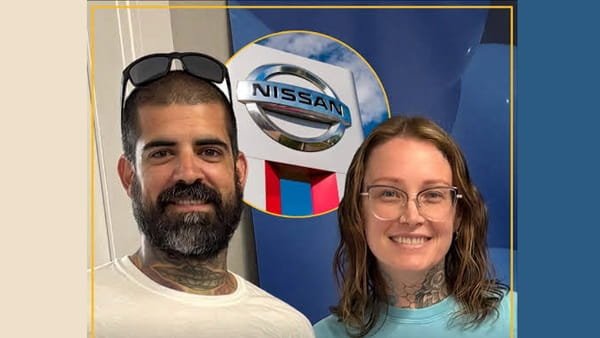
Tiffany and Robert Maillet operate RT Upholstery in the Fort Myers area of Florida. They said they purchased a van from Nissan of Cape Coral and experienced significant mechanical trouble soon afterward, including what they believed to be a transmission problem. According to the couple, attempts to get satisfactory help from the dealership did not resolve their concerns.
Tiffany then posted a one-star Google review criticising the dealership’s handling of their purchase. It was an ordinary consumer action, but the dispute that followed involved the couple’s livelihood as small-business owners rather than just the vehicle.
The Alleged Retaliatory Reviews
In a viral social-media video, Tiffany alleged that the dealership’s general manager responded by posting negative reviews about RT Upholstery and that other people also began attacking its online ratings. She said her family had worked hard to build the business’s reputation and was disturbed that a disagreement over a car could spread to an unrelated workplace.
Some early social posts and reports referred to the manager by a different name. The dealership’s public apology identified its general manager as Blake Varnadoe. For accuracy, the acknowledgement by the company and the apology are stronger identification sources than a name used in a fast-moving video.
What Krause Auto Group Acknowledged
Krause Auto Group, the dealership’s parent company, issued a statement describing an inappropriate online response by a member of management to a customer review. The group said it had contacted the customer to apologise, was taking corrective action and would reinforce standards of professional conduct across its dealerships.
The acknowledgement was significant because the episode was no longer only one customer’s unverified social-media claim. However, the company did not publicly specify every measure it had taken or independently substantiate the number and authorship of each disputed review.
The General Manager’s Apology
In a statement published through the dealership’s Facebook account and reported by Motor1 and Carscoops, Varnadoe acknowledged his behaviour was unprofessional, accepted responsibility for the disruption and said he would use time away from the dealership for conduct training and reflection. That statement is stronger evidence of a management lapse than speculation about what employees or friends may have done.
The dealer itself then faced a surge of negative online attention. The Maillets reportedly urged supporters not to retaliate against other dealership staff by posting revenge reviews. Those appeals matter because mass one-star campaigns by people who have not used a business can distort the very review systems that customers rely upon.
Was a Lawsuit Filed Against the Dealership?
The July reporting by Motor1 and Carscoops does not identify a confirmed lawsuit arising from the Maillets’ review incident. Robert Maillet publicly discussed the prospect of legal involvement, but threatening to seek legal advice is not the same as filing a complaint in court.
False factual reviews can raise issues involving reputation and business losses, depending on what was posted, by whom and with what evidence. The public reporting is not enough to conclude that all elements of any particular claim have been established. Nor does the incident prove that the van’s alleged transmission defects were legally determined to be the dealer’s responsibility.
What This Case Shows About Online Reviews
An effective business response to an unhappy customer involves checking records, correcting errors and keeping criticism about the transaction itself. Targeting an unrelated employer or personal business can make a modest service complaint far more damaging. Here, the escalation generated substantial publicity and required public apologies, even without a verified civil verdict.
Frequently Asked Questions
Q. Which dealership was involved in the controversy?
The incident involved Nissan of Cape Coral, Florida, which is part of Krause Auto Group.
Q. Did the dealership acknowledge improper conduct?
Yes. The parent company acknowledged an inappropriate management response, while general manager Blake Varnadoe issued a public apology.
Q. Was the couple’s van defect proven in court?
The couple reported serious mechanical problems, including transmission concerns. The cited reporting does not establish a court ruling on those vehicle defects.