Water damage can create more than a repair problem. It can also raise questions about insurance coverage, landlord responsibilities, property ownership, and liability. Acting quickly helps protect the property and preserves evidence that may become important in a dispute.
The first priority is to stop the source of the water when it is safe to do so. Shut off the appropriate water supply and address immediate electrical or structural hazards. Do not enter areas with standing water if electrical systems may be affected.
Once the immediate danger is controlled, document what happened. Take clear photographs and videos of affected rooms, walls, ceilings, flooring, appliances, furniture, and visible water sources. Keep damaged materials and personal property when practical until an insurer or other responsible party has had an opportunity to inspect them.
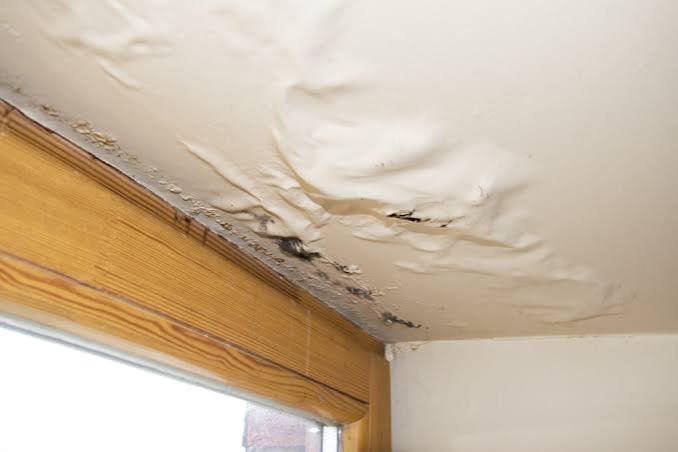
Notify the Appropriate Parties
Prompt notice is important. A homeowner should notify the insurance company or agent according to the requirements of the policy. A tenant should notify the landlord or property manager using the method required by the lease.
For significant damage, professional mitigation may also be necessary. Prompt drying can limit secondary damage to building materials and contents. Property owners in the Dallas area can consider water damage restoration Dallas services for water extraction, structural drying, and related restoration work.
Keep records of every notification. Save emails, text messages, claim numbers, inspection appointments, estimates, invoices, and receipts. Written records can establish when the damage was reported and what each party knew about the condition.
Determine Who May Be Responsible
The cause of the water damage matters. A burst supply line, roof leak, plumbing failure, appliance malfunction, sewage backup, or storm-related intrusion can involve different insurance and legal issues.
Responsibility may depend on the property owner’s obligations, the lease, the conduct of a tenant, insurance policy language, and the source of the water.
Texas residential tenancy law requires a landlord to make a diligent effort to repair certain conditions that materially affect an ordinary tenant’s physical health or safety, provided statutory requirements are met. The Texas Property Code also addresses circumstances involving flooding, broken pipes, natural drainage, and other repair conditions.
Tenants should therefore avoid assuming that every repair automatically becomes the landlord’s responsibility. The cause of the damage and the applicable lease terms can affect the analysis.
Review Insurance Coverage Carefully
Insurance coverage should be determined from the actual policy rather than assumptions about what homeowners insurance normally covers.
Texas Department of Insurance guidance recommends reviewing the policy and contacting the insurer when questions arise about coverage. The agency also advises taking photographs before making repairs and generally distinguishes temporary repairs from permanent repairs after a loss.
Read the sections addressing:
- Covered causes of loss
- Water and plumbing exclusions
- Sewer or drain backups
- Deductibles
- Personal property coverage
- Additional living expenses
- Duties after a loss
- Notice and claim requirements
Keep the insurer’s communications in writing when possible. If an adjuster requests documents, provide copies and retain the originals.
For an authoritative overview of insurance issues after property damage, homeowners can review the Texas Department of Insurance’s disaster claims FAQ.
Preserve Evidence Before Permanent Repairs
Water damage can disappear quickly after cleanup. That makes evidence preservation especially important.
Photographs should show both close-up damage and wider views establishing where the damage occurred. Keep damaged materials when feasible. Obtain written estimates and invoices from contractors. Record the date and approximate time the damage was discovered, when the water source was stopped, and when mitigation began.
If another party may be responsible, avoid discarding evidence before it has been inspected. This can include failed plumbing components, damaged appliances, or other materials that may help establish the cause.
Be Careful With Legal Deadlines
A property damage dispute can involve multiple deadlines. Insurance policies may contain notice requirements and claim procedures. Leases may establish specific communication procedures. Potential lawsuits can also be subject to statutes of limitation and other procedural requirements.
Do not assume that an insurance claim or informal repair request automatically protects every potential legal claim. If the damage is substantial, liability is disputed, or an insurer denies coverage, obtaining advice from a qualified Texas attorney can help clarify the applicable deadlines and remedies.
Water damage is easier to manage when the response is organized from the beginning. Secure the property, document the condition, notify the appropriate parties, preserve evidence, and review the governing documents. These steps can help protect both the property and the owner’s or tenant’s legal position.