Many California drivers assume a police report is a strict legal requirement before an insurance claim can move forward. The reality is more nuanced. California law does not require a police report for every claim to proceed, but certain collisions must be reported regardless of whether either driver wants to file one. Los Angeles County had 7,777,406 registered vehicles in 2023, according to state DMV data. With that much traffic, reliable evidence becomes especially important when fault is disputed.
This article explains when California law requires a collision report and how having one, or not having one, can affect an insurance claim.
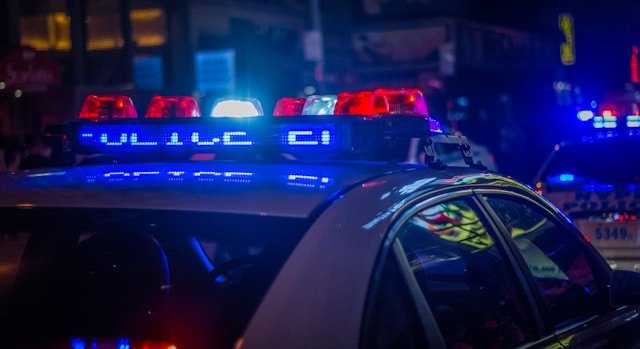
When California Law Requires a Police Report
Under California Vehicle Code section 20008, a crash involving injury or death must be reported to the California Highway Patrol or local police within 24 hours. The law also addresses certain property-damage collisions. West Covina and the surrounding San Gabriel Valley experience frequent rear-end and lane-change crashes on local roads, making it important to understand when reporting obligations apply.
Failing to report a qualifying collision can create a separate legal issue from the underlying injury or insurance dispute.
This is also why the evidence surrounding a crash can matter just as much as the police report itself. Police records are only one part of a California accident claim, with medical records, photographs, witness accounts, and other evidence helping establish what happened and how the injuries developed. Lem Garcia Law handles California car accident claims, bringing together this evidence when questions about liability or injury severity arise.
What Happens If No Officer Responds to the Scene?
Police do not respond to every minor fender bender, particularly when there are no apparent injuries or immediate safety concerns. When an officer does not investigate the scene, drivers may still have other ways to create a record of the collision.
California drivers involved in qualifying crashes may need to file a Report of Traffic Accident Occurring in California, commonly known as Form SR-1, with the DMV. This creates an additional record of the incident even when no officer prepares a traffic collision report.
A self-filed report is not identical to an officer’s investigation, but it can provide useful documentation when no police report exists.
Why a Police Report Can Strengthen a Claim
A police report can provide an independent account of the collision, including information gathered from the drivers, witnesses, and physical conditions at the scene.
Interstate 10 and other major Los Angeles freeways see substantial traffic volumes, and reports from collisions investigated by law enforcement may become important during the insurance review. An officer’s observations, diagram, witness information, and any citations can give an insurer additional evidence beyond the statements provided by the drivers themselves.
A report does not automatically establish liability, but it can help corroborate other evidence supporting the claim.
What a Police Report Typically Includes
A California traffic collision report may contain driver and witness information, a diagram of the vehicles, road and weather conditions, statements, and information about contributing circumstances.
Citations issued at the scene may also appear in the report. Although a citation does not automatically determine civil liability, it can become relevant when the parties disagree about how the crash occurred.
Information recorded close to the time of the collision can also be valuable because memories may become less precise as weeks and months pass.
Filing a Claim Without Any Police Report
A California car accident claim can still be pursued without a formal police report. This is particularly relevant when an officer never came to the scene or the collision was initially considered minor.
Without that third-party record, other evidence may become more important. Photographs, vehicle damage, witness accounts, medical records, traffic-camera footage, dashcam video, repair estimates, and insurance communications can help establish what happened.
Medical records are especially important when injuries are involved. Consistent treatment records can establish when symptoms appeared, what treatment was required, and how the condition developed after the collision.
How Comparative Negligence Interacts With Documentation
California’s pure comparative negligence rule, established through the 1975 Li v. Yellow Cab decision, allows an injured person to recover damages even when they share some responsibility for a collision. The eventual award is reduced according to the percentage of fault assigned to that person.
When no police report exists, establishing that percentage may require more extensive evidence. Photos, witness statements, vehicle damage, traffic footage, and other records can help show how each driver’s actions contributed to the collision.
The more disputed the circumstances, the more important a complete evidentiary record becomes.
Requesting a Copy of the Report After the Crash
California drivers can generally request a copy of a traffic collision report from the law enforcement agency that investigated the crash once the document has been processed. The agency may charge a fee for the copy.
Processing times vary depending on the department and the circumstances of the collision. Requesting the report early can help identify errors or missing information before the insurer needs additional documentation.
Correcting Errors in an Existing Report
Police reports can contain factual mistakes. Examples include an incorrect vehicle position, inaccurate driver information, or an incomplete description of what happened.
If you discover an error, contact the agency that prepared the report and ask about its process for submitting a correction or supplemental statement. Keep photographs, witness information, and other contemporaneous records available to support the correction.
Comparing the report with evidence collected at the scene can help identify discrepancies that need to be addressed.
What California Drivers Should Understand
A police report is not always required to pursue a California car accident claim, but having one can provide valuable independent evidence when liability or the circumstances of the crash are disputed. Collisions involving injury or death carry specific reporting obligations, while other crashes may trigger separate reporting requirements depending on the circumstances.
When no officer responds, drivers should not assume the absence of a police report means there is no useful evidence. Photographs, witness information, medical records, vehicle damage, video footage, and DMV filings can all contribute to establishing what happened.
This is also why the evidence surrounding a crash can matter just as much as the police report itself. Lem Garcia Law handles personal injury cases in Southern California, including car accident claims where police reports, medical records, photographs, and witness accounts may all contribute to establishing what happened. The firm’s website identifies Lem Garcia as the founder and notes the practice was established in 2014, providing additional context about its experience serving injury clients.
Anyone involved in a California car accident should preserve as much information as possible immediately after the collision. Whether a police officer prepares a report or not, the photographs, medical records, witness accounts, and other evidence gathered early can become critical when an insurer later questions how the crash happened or who was responsible.