Dallas residents face everyday safety risks from damaged roads, unsafe intersections, broken sidewalks, poor drainage, and poorly maintained homes and apartment buildings. These hazards can lead to car crashes, falls, serious injuries, and other emergencies. Knowing what to look for can help residents protect themselves, their families, and others in their community.
When people discuss the most dangerous neighborhoods, the focus often falls on crime. But physical hazards deserve attention, too. A deep pothole, a dark stairwell, a loose handrail, or a sidewalk hidden by overgrown grass can put someone at risk on almost any Dallas block. These problems may seem minor at first, but they can have serious consequences when left unaddressed.
From busy roads to residential properties, recognizing these dangers is the first step toward preventing injuries. Residents can also report issues such as dangerous potholes, blocked street drains, and damaged sidewalks through the City of Dallas 311 service request system. Knowing when to take action can make streets, homes, and shared spaces safer for everyone.
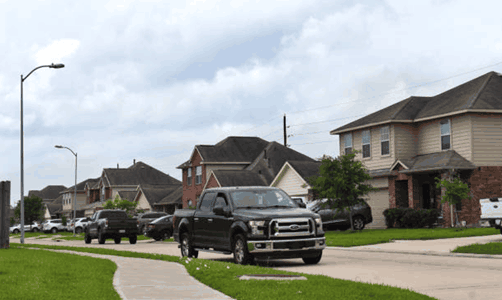
Road Hazards That Cause Crashes and Falls
Potholes, broken pavement, faded lane markings, poor lighting, and confusing intersections can turn an ordinary trip into a dangerous one. Slow down in rain, leave extra space, and avoid sudden swerves around road damage.
Texas Department of Transportation data recorded 26,109 crashes inside Dallas city limits in 2024, including 207 fatal crashes and 906 crashes involving suspected serious injuries. The figures do not prove road defects caused the crashes, but they show the scale of traffic risk. TxDOT’s 2024 city crash report lists the figures for Dallas.
People walking face added danger where sidewalks end abruptly, crossings are hard to see, or drivers travel too fast. Nationally, 7,314 pedestrians died in traffic crashes in 2023, and 77% of pedestrian deaths happened in the dark, according to the National Highway Traffic Safety Administration. Texas Transportation Code § 545.351 says drivers may not travel faster than is “reasonable and prudent” for current conditions and must slow down when special hazards involve pedestrians, traffic, or weather.
Property Hazards Around Homes and Apartments
Serious hazards can also be close to home. Cracked steps, loose handrails, broken balcony boards, uneven walkways, exposed nails, and poor lighting can cause falls. Roof leaks and damaged gutters may let water collect, while dead tree limbs can fall during storms. Standing water may hide uneven ground.
Dallas City Code § 27-11 requires owners to keep property free of conditions reasonably capable of causing injury. It also requires drainage that prevents standing water and flooding, and safe stairs, walkways, handrails, roofs, and structural supports. Under § 43-63, an owner whose property borders a defective sidewalk or driveway may be required to repair it after receiving city notice.
How to Reduce Risk
On the road: Slow down near work zones and intersections. Use headlights in low light, watch for standing water, and give cyclists and pedestrians room.
- At home: Check stairs, railings, outdoor lights, balconies, and walkways. Avoid damaged steps or loose railings until repairs are made.
- When renting: Tell your landlord about dangerous conditions in writing and keep a copy. Take photos from a safe spot and record when you reported the problem.
- Around the neighborhood: Note potholes, blocked drains, broken sidewalks, or fallen branches. Avoid walking or driving through floodwater, where the road surface may be damaged or hidden.
A hazard does not need to look dramatic to cause harm. Small repairs, safer driving, and prompt attention to damage can prevent avoidable injuries.
Points to Remember
- Road hazards: Potholes, faded lane markings, poor lighting, and unsafe intersections can increase the risk of crashes.
- Pedestrian safety: Broken sidewalks, missing crossings, and speeding vehicles put people walking at risk.
- Property dangers: Loose handrails, damaged stairs, uneven walkways, roof leaks, and falling tree limbs can cause injuries.
- Dallas property standards: City Code Chapter 27 sets maintenance requirements for safe buildings, stairs, walkways, and drainage.
- Texas traffic law: Transportation Code § 545.351 requires drivers to travel at safe speeds for road and weather conditions.