Yes. Tailgating, meaning following another vehicle too closely, is illegal in every state. Most states don’t use the word “tailgating” in their statutes. Instead, they prohibit following another vehicle more closely than is “reasonable and prudent.” The penalties are usually modest, but a rear-end crash caused by tailgating can bring much larger consequences.
What the Law Says
All states have laws prohibiting drivers from following another vehicle too closely, though the exact definitions vary somewhat. Most statutes don’t set a specific distance for ordinary vehicles. Instead, they rely on a flexible standard that considers speed, traffic, and road conditions. Florida’s statute, for example, doesn’t use the word “tailgating” but bars following closer than is reasonable and prudent, and treats it as a noncriminal moving violation.
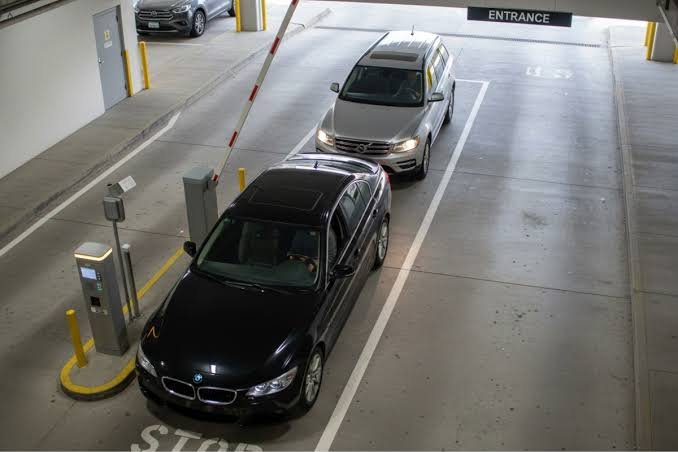
Courts and officers often apply the standard in practical terms. A driver may be following too closely if, even while paying attention, they could not avoid a collision should the car ahead brake suddenly. Because the standard depends on circumstances, what counts as too close at 65 mph in the rain is different from slow city traffic.
Penalties for Tailgating
Penalties depend on the state and the situation. Following too closely is normally a traffic infraction or a misdemeanor, depending on state law and the circumstances. Convicted drivers typically face a fine of about $100 to $500 and points on their driving record, and traffic school may reduce or avoid the penalties in some cases. Jail is possible in some states but uncommon. Beyond the ticket, violations can also cause a spike in insurance rates.
The consequences are more serious if tailgating leads to a crash that injures someone. In that case, a driver could face reckless driving or negligence charges in addition to a civil lawsuit.
Tailgating and Fault in a Crash
Tailgating is a leading factor in rear-end collisions. When a tailgating driver rear-ends another vehicle, they are usually found at fault for failing to keep a safe following distance. There are exceptions, such as when the lead driver stopped suddenly for no reason, had broken brake lights, or reversed into the car behind. Evidence like dashcam video, witness statements, and skid marks can matter.
How Far Back Should You Stay?
There is no universal legal number, but safety guidance is consistent. A common recommendation is to keep three to four seconds of distance from the car ahead when cruising on the highway. To check, pick a fixed landmark, watch the car ahead pass it, and count the seconds until you reach it. Add more time in rain, snow, heavy traffic, or when following trucks and motorcycles.
Possible Defenses to a Tailgating Ticket
A citation can sometimes be challenged. Common arguments include:
- Traffic conditions: In bumper-to-bumper traffic, you probably wouldn’t be cited for driving too close to the car in front of you.
- Sudden actions by the lead driver: Another driver cut in front of you or braked abruptly without reason.
- Emergencies: You had no safe alternative.
- Exceptions in the statute: Many laws exempt vehicles in an organized motorcade, such as a funeral procession.
- Lack of proof: The officer’s estimate of distance or timing was wrong or couldn’t be verified.
The Bottom Line
Tailgating is illegal in every state. A ticket usually means a fine and points, but a crash can lead to much greater legal and financial trouble. Leave enough space to stop safely, and if you receive a citation, consider talking to a local traffic attorney.
Frequently Asked Questions
Q. Can I be ticketed for tailgating even if I didn’t hit anyone?
A: Yes. The offense is following too closely, not causing a crash. An officer who observes it can issue a citation.
Q. Is it illegal for someone to tailgate me on purpose?
A: Following another driver closely to intimidate or harass them can be treated as aggressive or reckless driving in many states, which can carry heavier penalties than a basic following-too-closely ticket. If you feel threatened, stay calm, avoid confrontation, and safely contact law enforcement. If it’s possible, move over safely and let the driver pass.
Q. If I rear-end another car, am I automatically at fault?
A: Not automatically, but you are usually presumed to be. You may be able to show the other driver contributed, such as by stopping suddenly without cause. Insurance and fault rules vary by state, so speak with your insurer or an attorney if there is a dispute.
Q. Do points from a tailgating ticket affect my insurance?
A: They can. Points and convictions may raise your premiums, and in some states too many points can lead to a license suspension.
Q. Is there a different standard for commercial trucks?
A: Many states apply stricter or more specific following-distance rules to large trucks and commercial vehicles. Check your state’s commercial driving rules if this applies to you.
Q. Should I fight a tailgating ticket?
A: It depends on the circumstances, the potential penalties, and your driving record. A traffic attorney can explain whether a defense or a reduced charge might be available, especially if a crash, injury, or a commercial driver’s license is involved.
Q. Are tailgate parties at sporting events illegal?
A: That’s a separate topic. Tailgate parties are generally legal, but venue rules and local laws on alcohol, open containers, public drinking, parking, and noise still apply.