No. It is not illegal to skip an election in the United States. There is no federal or state law that requires citizens to vote, and no penalty for staying home. Voting in the US is generally a voluntary act, and the government does not compel you to go to the polls. Still, there are related legal questions people often confuse with this one, including voter registration, jury duty, and what happens to your voter record if you stop voting.
Voting Is a Right, Not a Legal Duty
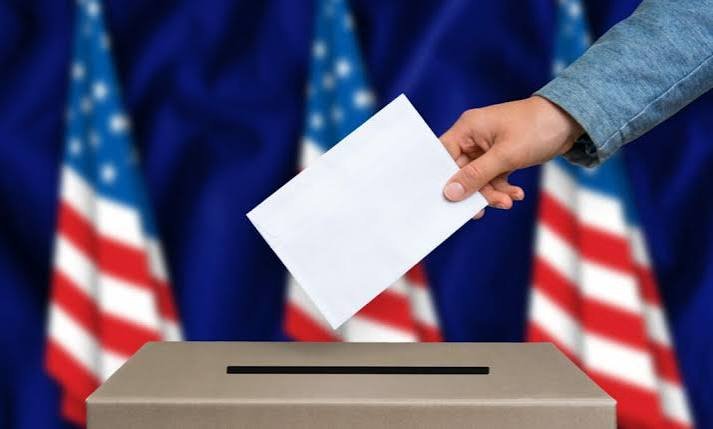
The Constitution has been amended several times to protect who may vote, but none of those amendments requires anyone to do so. The Constitution contains no language requiring citizens to participate in elections. Many legal commentators describe the right to vote as including the right to abstain. Early in American history, some states did fine people who failed to vote, but that is no longer the case.
Is It Illegal to Not Register to Vote?
Also no. No law punishes an eligible citizen for failing to register. If you don’t register by your state’s deadline, you simply can’t vote in that election. Registration rules vary, including deadlines and whether same-day registration is available, so check with your state or county election office. Some states have adopted automatic voter registration, but that means the government signs you up, not that you are legally required to register.
Other Legal Questions That Come Up
Jury duty. Not voting has no effect on jury duty. Some courts build jury lists in part from voter registration records, which is why registering can lead to a jury summons. But ignoring a jury summons, unlike skipping an election, can carry penalties.
Taxes, benefits, and citizenship. Not voting has no legal effect on your taxes, public benefits, or citizenship status.
Your voter registration. Even though you can’t be punished for not voting, a long stretch of inactivity can put your registration at risk in some states. Federal law allows election officials to remove people from the rolls after sending a notice and receiving no response, followed by a period in which the person doesn’t vote in federal elections. The exact process varies, so confirm your registration status before an election.
Voting when you’re not eligible. The reverse can be a crime. Noncitizens who vote, and anyone who votes more than once or on behalf of someone else, can face criminal charges, and for noncitizens it can also affect immigration status. If you’re unsure whether you’re eligible, ask before registering or voting.
Your Right to Vote Without Interference
While you can’t be forced to vote, it is also illegal for others to prevent you from doing so through intimidation or coercion. Many states also require employers to give workers some time off to vote, though the details vary. If someone threatens you for voting or tells you that you must vote a particular way, contact your local election office or state attorney general.
What About Compulsory Voting Elsewhere?
Some countries do require voting. Countries with compulsory voting, like Australia, fine non-voters and routinely see turnout above 90 percent. In most compulsory voting countries, penalties are minor or nonexistent.
The idea has been proposed in the US, too. Legislators in five states and Congress have introduced compulsory voting bills in recent years, some with small civil fines and others with no penalty. None has become law.
The Debate
Supporters argue that mandatory voting would raise turnout and make results more representative, since it tends to bring in groups that vote at lower rates. Critics respond that voting should remain a free choice, and that forcing people to vote can lead to random or uninformed ballots. Some legal scholars also argue that a compulsory voting law could raise First Amendment concerns as a form of compelled speech. Compulsory voting may be considered compelled speech and could violate First Amendment speech protections. Courts have not settled the question, because the US has no such law to test
If You Want to Vote but Aren’t Sure How
If you plan to vote, check your registration, your polling place or mail ballot options, and any ID rules with your state or county election office. Deadlines for registering and requesting a mail ballot vary and may already have passed.
The Bottom Line
It is not illegal to skip an election in the United States, and you can’t be fined or charged for not voting or not registering. But long gaps in voting can affect your registration status in some states, and voting while ineligible can be a serious crime. Staying informed about your rights and your state’s rules is the safest approach.