“Ballot stacking” is not a defined crime in federal or state law, so whether it is illegal depends on what someone means by it. The term is usually used loosely for several different practices. Some, like stuffing a ballot box, are serious crimes everywhere in the country. Others, like collecting another person’s ballot, are legal in some states and illegal in others. This article explains the common meanings and how the law treats each.
Ballot Stuffing: Clearly Illegal
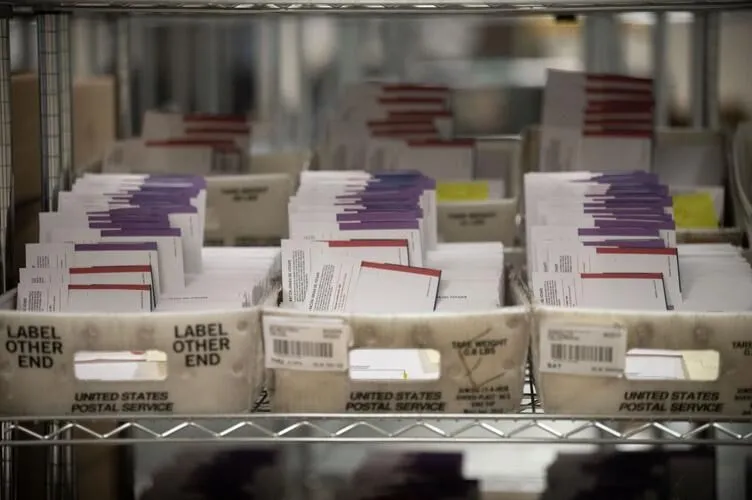
When people say “ballot stacking,” they often mean ballot stuffing. Ballot stuffing is a form of electoral fraud in which more ballots are cast than there were legitimate voters, or in which one person submits more than one ballot where only one is allowed.
It is prohibited at both the federal and state level:
- Federal law: Under 52 U.S.C. § 20511, it is a federal crime in a federal election to knowingly and willfully defraud residents of a fair election by procuring, casting, or tabulating ballots known to be materially false or fraudulent. Penalties can include up to five years in prison. In United States v. Saylor (1944), the U.S. Supreme Court held that stuffing a ballot box in a federal election can be prosecuted as a conspiracy against voting rights under 18 U.S.C. § 241.
- State law: Every state criminalizes some form of ballot fraud. Florida’s statute, for example, penalizes anyone who willfully places a ballot in the ballot box other than as properly voted by an elector.
Election workers can commit it too. Examples include tossing out ballots or casting ballots in voters’ names. How often ballot stuffing occurs is a matter of ongoing debate, but prosecutions and court-ordered election do-overs do happen when it is proven.
Ballot Collection (“Harvesting”): It Depends on the State
Sometimes “stacking” refers to one person gathering many voters’ completed absentee or mail ballots. This is a patchwork:
- Some states restrict who may handle another person’s ballot. Connecticut, for example, makes it a felony to possess someone else’s ballot unless you are that person’s designee
- Arizona limits ballot collection to certain categories of people, and the U.S. Supreme Court upheld that restriction in Brnovich v. Democratic National Committee (2021).
- Other states, such as California, allow third parties to return ballots for voters, subject to conditions.
What is legal in one state can be a felony in another, so the specific state statute matters. In every state, collecting ballots is unlawful if the person alters, discards, or fills them out for voters without permission.
Proxy Stacking in HOAs and Private Organizations
In homeowners’ associations and some corporations, “stacking” can mean gathering enough proxy votes to win an election. Attorneys have noted that proxy stacking can raise a red flag but is not illegal in the HOA setting. The practice is governed by the association’s bylaws and state corporate or nonprofit law, not by criminal election statutes. Rules can still limit it, such as caps on proxies per person or requirements that proxies be valid and signed
Political Disputes Over “Stacked” Election Boards
Critics also use “stacking” to describe how election boards are staffed. In Minnesota, for example, legislators and election judges sued the Secretary of State, arguing a rule conflicted with a law requiring ballot boards to be drawn from lists provided by the major parties. Disputes like this are usually handled as civil or administrative challenges, not as crimes, unless someone breaks a specific statute.
How to Tell Whether Conduct Crosses the Line
Courts and prosecutors generally ask:
- Is the ballot genuine and cast by an eligible voter of their own free choice? Voting for someone else or voting twice is illegal.
- Was the person authorized to handle it? State rules on who may collect or return ballots vary.
- Was it altered, discarded, or added without authority? Tampering is a crime in every state.
- Was there intent to deceive? Federal law requires acting knowingly and willfully. An honest mistake is treated differently from deliberate fraud.
If You Have Concerns, or Face Accusations
If you believe ballots were mishandled, report it to your county election office, your state’s election authority or attorney general, or the FBI for federal elections. If you are being investigated, speak with a criminal defense attorney before answering questions. Ballot-related offenses are often felonies, and the details of state law can change the outcome of a case.
End Note
“Ballot stacking” is not a legal category, but the conduct people usually mean is regulated. Stuffing ballots or casting fraudulent ones is a crime under federal and state law. Collecting others’ ballots depends on the state. Proxy stacking in private groups is typically a matter of bylaws. If a specific situation is involved, check the statute in your state or ask a licensed attorney.