The business that manages the intellectual property of the late rapper The Notorious B.I.G. became the center of a court dispute after his mother, Voletta Wallace, died in February 2025. Wayne Barrow, serving as trustee of her revocable trust, sought recognition of that trust’s ownership rights in Notorious B.I.G., LLC. Faith Evans, the rapper’s widow and the company’s surviving manager, challenged the trust’s status and stopped distributions to it. In an August 7, 2026 decision, the Delaware Court of Chancery ruled for Barrow on the membership question. The Wayne Barrow–Faith Evans dispute was about the rights attached to a company’s membership interest, not a judgment giving Barrow personal ownership of the entire music catalog.
How the Wayne Barrow and Faith Evans Dispute Started
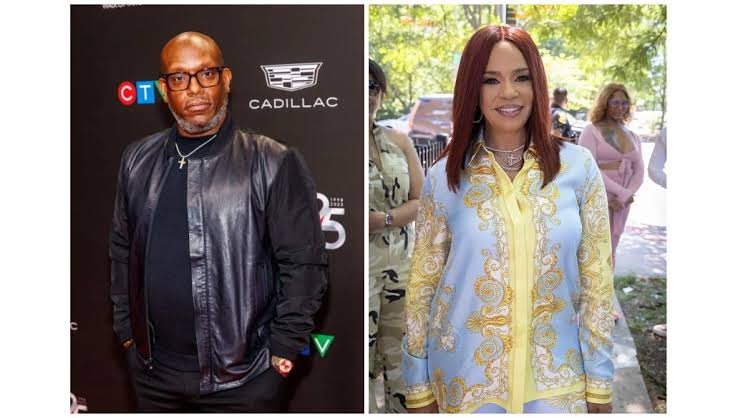
Voletta Wallace and Faith Evans formed Notorious B.I.G., LLC in 2007 to manage Christopher Wallace’s intellectual property after his death. Under a March 2023 company agreement, they each held half of its membership units and acted as managers. They also assigned half of their distribution interests to Wallace’s children, Ty’anna and Christopher Jordan Wallace, known as CJ. As a result, the agreement described four people as entitled to equal 25% shares of distributions, even though Voletta and Evans held the membership units.
The agreement expressly permitted transfers of a member’s units to certain named recipients, including the Voletta Wallace Revocable Trust, provided the recipient agreed to assume the relevant rights and obligations. That provision became decisive when Voletta revised her estate plans shortly before her death.
The Trust Amendment That Triggered the Disagreement
Voletta’s original estate documents included CJ and others among successor trustees and executors. On February 6, 2025, she amended the trust and signed a will codicil removing CJ and Carol Sampson from those roles, leaving Barrow as the sole successor trustee and executor. The trust amendment also changed how remaining assets would pass to a foundation. She died on February 21, 2025, and Barrow formally accepted his trustee appointment in March.
Faith Evans then became the company’s sole manager. According to the court’s account of the undisputed record, she declined to distribute funds to the trust and questioned whether the amended trust was the same permitted transferee listed in the LLC agreement. Evans also argued that the trust’s planned beneficiaries and the required transfer documentation created obstacles to membership.
How the Dispute Reached Delaware Chancery Court
Barrow sued in Delaware on July 2, 2025. His claims sought declarations that the trust was a company member and entitled to distributions, access to books and records, and enforcement of a deadlock provision relating to management. Evans and the company counterclaimed for a declaration that the trust was not a member.
A separate Pennsylvania dispute also arose when CJ challenged the late amendments to Voletta’s trust and will, alleging undue influence and conflicts of interest. That proceeding mattered as background, but the Delaware judge declined to put the membership question on hold while the Pennsylvania matter continued. The Delaware decision must not be mistaken for a final adjudication of every challenge to the estate plan.
Why the Judge Rejected Evans’ Membership Objection
In a memorandum opinion dated August 7, 2026, Chancellor Kathaleen McCormick ruled that amending a revocable trust did not turn it into a newly created legal entity. The company agreement specifically named Voletta’s trust as an eligible transferee and did not prohibit subsequent changes to the trust instrument. Evans’ interpretation would have imposed a limitation that the parties had not actually written into their contract.
The court also found that Barrow’s December 2025 written consent satisfied the agreement’s requirement to assume Voletta’s rights and duties. The document had to be reasonably satisfactory under an objective standard, not subject to an unrestricted personal veto by the surviving manager. The court granted summary judgment on the trust’s membership and distribution entitlement claims and dismissed the opposing counterclaim.
What the Court Ruling Did and Did Not Decide
The ruling recognized the Voletta Wallace Revocable Trust’s membership position and its entitlement to distributions under the company agreement. It did not declare that Wayne Barrow now owns the entire Notorious B.I.G. music catalog personally, nor did it resolve every estate, governance or probate dispute involving all family members. The court opinion addressed a targeted request for partial summary judgment. Other claims and related proceedings require separate tracking rather than assuming they ended with this decision.
The case illustrates how precise language in an LLC operating agreement can determine what happens when an owner dies. A broadly authorized trust transfer remained effective despite changes to trustees and beneficiaries. The distinction between membership units, management authority and rights to receive distributions was central to the judge’s reasoning.
FAQs
Q. Did Wayne Barrow become the personal owner of Biggie’s music catalog?
No. The court recognized rights held through Voletta Wallace’s trust in Notorious B.I.G., LLC. It did not award him personal ownership of the entire catalog.
Q. What happened to Faith Evans’ counterclaim?
The Delaware Court of Chancery dismissed the counterclaim that sought to deny the trust’s membership status.
Q. Did the Delaware ruling end the separate Pennsylvania estate challenge?
No. The court acknowledged that CJ had filed a separate challenge to the estate amendments. The Delaware membership ruling did not decide that proceeding.