A phone record can reveal considerably more than the words in a conversation. It can show who called whom, when contact occurred and how long it lasted. That distinction is central to the dispute surrounding former special counsel Jack Smith, Verizon and several Republican lawmakers whose call records were obtained during the federal investigation into efforts to overturn the 2020 presidential election. What started as a question about investigative subpoenas has grown into congressional oversight, complaints against a major telephone carrier and a federal lawsuit filed by Senator Marsha Blackburn in September 2026. The controversy is not about prosecutors listening to senators’ calls; it is about access to telephone metadata, secrecy orders and constitutional limits on investigating legislative activity.
How the Jack Smith–Verizon Dispute Started
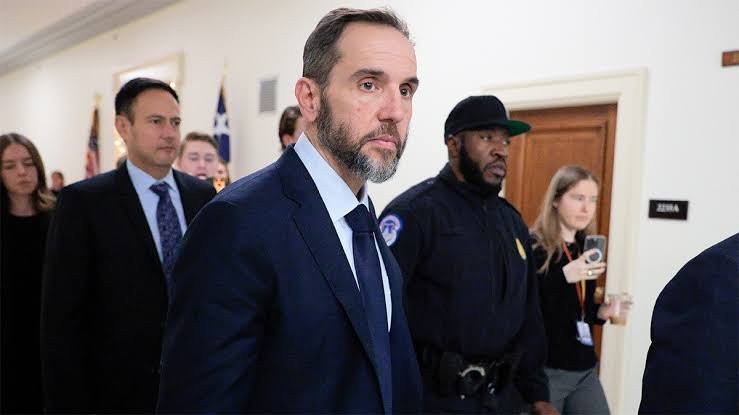
Smith took over investigations relating to Donald Trump after his appointment as special counsel in November 2022. Investigators examined communications surrounding January 6, 2021, including whether Trump or his associates contacted members of Congress while certification of the presidential election was under way. A May 25, 2023, federal grand jury subpoena required Verizon to supply subscriber details and call records associated with identified numbers for January 4–7, 2021. The order identified numbers, not senators’ names, according to Verizon’s later testimony. A judge also approved a nondisclosure order preventing the company from telling the affected customers about the demand.
What Verizon Actually Provided
Verizon said it reviewed the request and its secrecy order as lawful and provided responsive call-detail records. Such records generally show numbers, dates, durations and associated information rather than recordings or transcripts of conversations. Verizon’s February 2026 Senate testimony acknowledged that some numbers later proved to belong to lawmakers through official, personal or campaign accounts. The company said it lacked a reliable internal procedure in 2023 for identifying and escalating requests that involved congressional lines. That weakness became a central criticism after lawmakers learned what information investigators had collected.
Why Congressional Committees Challenged the Carrier
Senators Chuck Grassley and Ron Johnson pressed Verizon and other carriers for records explaining how the subpoenas were handled. In January 2026, Johnson’s subcommittee issued subpoenas to telephone companies to identify affected subscribers. At a February 10 Senate hearing, carrier representatives were questioned about compliance, notification requirements and internal safeguards. Grassley highlighted a Senate contract that, in his account, required special notification when subpoenas implicated certain Senate devices. Verizon maintained that a court order barred disclosure and described changes it had made to notify executives, verify affected lawmakers’ numbers with investigators and challenge secrecy orders when permitted.
The Missing Disclosure and Renewed Questions in July
A second dispute concerned Verizon’s earlier responses to Congress. Lawmakers said the company had omitted the May 2023 subpoena when asked to search for federal legal demands involving Senate lines. Verizon attributed the omission to human error. A July 30, 2026, letter from senators asked when executives learned of the subpoena, why it was not included in the earlier search and what internal records showed about the decision. Those questions focused on Verizon’s compliance systems and transparency; an omission from a search does not, by itself, establish deliberate concealment.
Marsha Blackburn Takes the Dispute to Federal Court
The legal confrontation expanded on September 30, 2026, when Tennessee Senator Marsha Blackburn sued Smith, in his personal capacity, and the Justice Department in the U.S. District Court for the Middle District of Tennessee. Her complaint argues that obtaining the records without meaningful notice interfered with the Constitution’s Speech or Debate Clause and violated other constitutional protections. She also challenges the legality of Smith’s appointment. The complaint seeks declaratory and injunctive relief, including measures involving records obtained, and nominal damages. These are allegations awaiting judicial determination, not findings that Smith or Verizon committed wrongdoing.
Smith’s Response and the Key Constitutional Question
At a September 29 Senate hearing, Smith said his investigators sought third-party toll records as evidence connected to attempts to delay election certification. He maintained that the requests were reviewed with Justice Department specialists and were not based simply on lawmakers’ political affiliation. The constitutional argument is more complex than whether federal investigators can issue subpoenas at all: courts may need to assess when a record touches protected legislative work, whether a carrier can disclose it, how secrecy orders operate and which remedies apply. Records that concern legislative acts may raise stronger protection issues than purely personal or political conversations.
Current Status of the Verizon Subpoena Dispute
As of October 23, 2026, Blackburn’s lawsuit is active, and the underlying legality of the challenged requests has not been decided in a final judgment. Congressional committees have continued reviewing the carriers’ handling of subpoenas, while Verizon has described new protective procedures. The existence of a subpoena, and a carrier’s compliance with it, should not be confused with proof that investigators acted unlawfully. Equally, Verizon’s changes to its procedures do not resolve the legal claims raised by affected lawmakers.
FAQ
Q. Did Jack Smith obtain recordings of senators’ conversations?
The widely reported May 2023 Verizon request concerned call metadata, such as telephone numbers, call times and durations, not recordings or the spoken content of the calls.
Q. Why did Verizon not tell senators about the subpoena?
Verizon said a court-approved nondisclosure order prohibited notice. Lawmakers also raised separate questions about whether Senate-specific notification duties were properly followed.
Q. Has a court ruled that Smith violated the Constitution?
Not in the Blackburn lawsuit as of October 23, 2026. The complaint raises constitutional claims that remain to be decided.