For more than three decades, James Anderson believed the five acres he bought from his grandfather in 1994 included the ground immediately beside his home. In September 2026, he learned that Oklahoma County regarded a narrow strip of that land as county property and intended to sell it. What began as a dispute over an old road corridor quickly became a public argument about deeds, ownership and whether a homeowner could be forced to bid for land he believed was already his. The planned sale was ultimately cancelled, but the boundary question did not disappear.
A 40-Foot Strip Beside the House
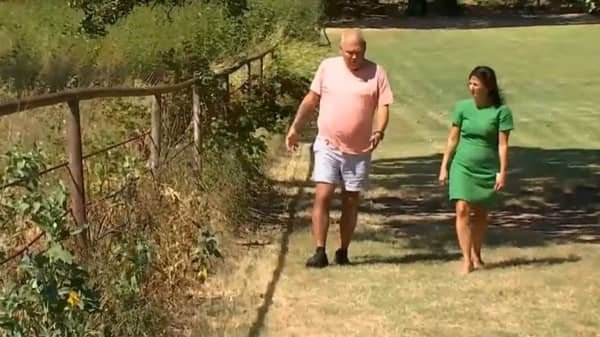
According to reporting by News9, subsequently carried by AOL, Anderson received notice that a 40-foot-wide strip running close to his home was being prepared for a county auction. Anderson said his deed conveyed the property when he purchased it from his grandfather in 1994 and that he had long treated the area as part of his home. The strip reportedly ran within inches of the house, adding immediate concerns about access and future control.
The county took a different view. Oklahoma County Assessor Larry Stein told News9 that county records traced its interest in the strip to a 1916 purchase made for a road that was never built. That created an apparent conflict between the homeowner’s understanding of the deed and the county’s historical documentation.
Why Oklahoma County Wanted an Auction
County officials were considering the disposal of land they regarded as publicly owned and no longer needed for its original purpose. Earlier reporting quoted a potential bidding figure of about $29,000. A later published sale notice, however, gave a more precise valuation: three appraisers assessed the tract at $47,000, and the minimum sale price was 80 percent of that figure, or $37,600.
Those are not identical amounts. The smaller figure appeared in early reporting, while the larger appraisal and statutory minimum appeared in the formal notice. Readers should not assume the $29,000 amount was the final authorised reserve price. The proposed sale was also not proof that Anderson had failed to pay taxes on the home; the central issue was title to land associated with an unfinished road project.
Landowners Challenged the Proposal
The disagreement reached the Oklahoma County Board of County Commissioners on September 17, 2026. At the meeting, attorney David High represented Dr. Steven Cagle and Ruthanna Cagle, other affected landowners, and argued that the property had long been treated as private land. Anderson and other speakers described practical consequences of selling the strip to an outsider.
The argument went beyond sentiment. A deed, a road easement and outright government ownership do not convey the same legal interests. If the county possessed a limited right to use land for a roadway, that would raise different legal questions from a county claim to unrestricted title. Determining which interest exists may require examination of the original instrument, later conveyances, surveys, and any applicable abandonment rules.
Commissioners Cancelled the Sale in September
After hearing the objections, commissioners voted to cancel the proposed sale. A public meeting account published through Citizen Portal says the district attorney agreed the county would file the cancellation order and that the county would absorb approximately $7,500 in appraisal costs. Importantly, the district attorney also warned that cancellation would not remove the cloud over the title.
This means an older headline saying the land ‘will be auctioned’ no longer reflects the most recent verified action. As of October 23, 2026, the September auction plan had been stopped. The cancellation was not the same as a court ruling declaring Anderson owner of the disputed strip, and the board did not immediately issue deeds resolving every competing claim.
What Must Happen to Clear the Ownership Question?
A title examination would need to reconcile the 1916 county acquisition record with Anderson’s 1994 deed and the later property history. Depending on what the instruments actually say, the parties might seek corrective deeds, a release of an obsolete interest or a court judgment quieting title. A professional boundary survey may establish the physical location of the strip, but a survey alone cannot decide a contested legal ownership claim.
The dispute illustrates why inherited or long-held land can still have complicated records. Decades of occupation and tax payments may be relevant facts, yet neither necessarily defeats a recorded government interest without further legal analysis.
Frequently Asked Questions
Q. Was James Anderson’s disputed land sold at auction?
No. Oklahoma County commissioners cancelled the proposed sale on September 17, 2026, according to the public meeting record.
Q. Why did a road planned in 1916 affect a home bought in 1994?
County officials cited an old land acquisition for a road that was never built. The parties disagree about what ownership rights survived and what Anderson’s deed included.
Q. Does cancelling the auction confirm the homeowner owns the strip?
No. Cancellation stopped the immediate sale. The district attorney said a separate title problem remained and might require further legal work.