Most drivers know to give big rigs plenty of room. Their size alone is intimidating. But the steel frame and eighteen wheels are only part of the story. What’s riding in the trailer can matter just as much, and sometimes even more.
Picture a logging truck stacked high with timber, a coal hauler packed to the brim, or a refrigerated trailer loaded with heavy, temperature-sensitive freight. Each one carries its own personality on the road, shaped by how much weight it holds and how that weight behaves.
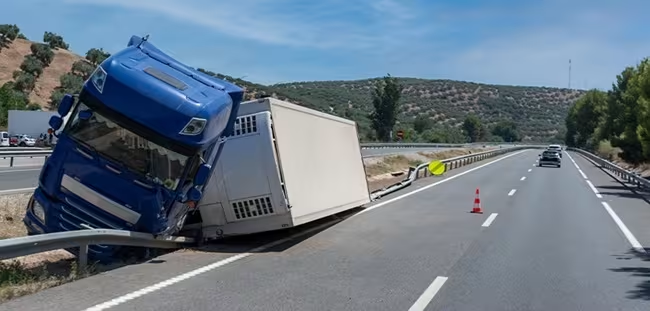
That’s exactly why refrigeration truck accidents often look so different from ordinary highway collisions. When cargo shifts, spills, or overwhelms a truck’s ability to stop and turn, a routine drive can go sideways pretty fast, and everyone nearby ends up sharing the danger.
Why Cargo Can Completely Change How a Truck Behaves
An empty trailer and a fully loaded one might look identical from the outside, but they handle like two completely different machines. Added weight means more momentum, which means longer stopping distances and more strain on the brakes, the tires, and the suspension.
Weight distribution matters just as much as total weight. Cargo piled too far forward, too far back, or unevenly to one side can make the truck feel unbalanced. That can affect steering response and how the trailer tracks behind the tractor through curves.
Height counts too. Tall, heavy loads raise the center of gravity, making the truck more likely to lean hard during turns. When cargo sits high and heavy, even a moderate curve taken a little too fast can push a rig toward its tipping point.
The Hidden Danger of Loads That Shift While Driving
Cargo that moves in transit is one of the sneakiest hazards in trucking. A load that seemed solid at the loading dock can slide, roll, or settle once the truck starts braking, accelerating, and turning on real roads with real potholes and bumps.
Logs are a classic example. If chains or binders loosen, individual logs can slip or the whole stack can shift sideways. Bulk materials like coal or gravel can slosh toward one side of a trailer, especially during sharp turns or sudden, panicky stops.
That sudden movement changes the truck’s balance in an instant. A driver who was perfectly in control a moment earlier may suddenly be fighting a trailer that wants to tip or swing. Proper securement exists precisely to keep that kind of surprise from happening.
Why Different Types of Cargo Create Different Risks
Logging trucks face a very specific danger. Their loads are long, heavy, and naturally round, which means they can roll if restraints fail. Federal rules set special securement requirements just for logs because a falling load can crush anything nearby in seconds.
Coal haulers deal with sheer weight. Bulk loads push trucks toward their limits, demanding more from brakes and tires on every long downhill stretch. Loose material can also blow or spill from uncovered trailers, sending debris into the path of drivers behind them.
Refrigerated trucks bring their own quirks. Their cooling units add weight and require maintenance, and some loads, like hanging meat, can swing during turns. Because perishable freight runs on tight delivery schedules, drivers may also face pressure to keep moving when rest would be safer.
What Happens When Cargo Becomes Part of the Collision
When a load spills, the danger spreads far beyond the truck. Logs, coal, or loose freight scattered across lanes can strike other vehicles directly or create obstacles that drivers simply can’t avoid in time, especially at night, in the rain, or in heavy traffic.
Overturned trailers make things even worse. A tipped rig can block an entire interstate highway, trap nearby cars, or leak fuel and other fluids. Emergency crews may need hours to clear the scene, and secondary crashes become a real risk for approaching traffic.
These crashes are also harder to investigate. Investigators may need to examine how the cargo was loaded, who secured it, and whether equipment failed. Trucking companies, shippers, and loading crews can all play a role, which makes sorting out responsibility much more complicated.
Conclusion
A truck’s cargo isn’t just something along for the ride. It shapes how the vehicle stops, turns, and reacts when something goes wrong. Logs, coal, and refrigerated freight each bring their own risks, and every one of them demands careful, steady attention from everyone handling it.
Shifting loads, spilled materials, and overturned trailers all show just how quickly cargo can turn a manageable situation into a disaster. Those dangers can affect everyone on the road, not just the driver behind the wheel or the company that owns the truck.
Keeping cargo safe depends on proper loading, strong securement, regular inspections, and drivers who understand how their loads behave. A well-maintained truck is a great start, but what’s riding inside that trailer deserves just as much respect on every single mile.