New Jersey is the only state where drivers cannot pump their own gasoline. The ban dates to 1949, and while lawmakers have proposed changing it many times, it remains in place. Here is where the law comes from, why it has lasted, and what could change it.
The Law Behind the Ban
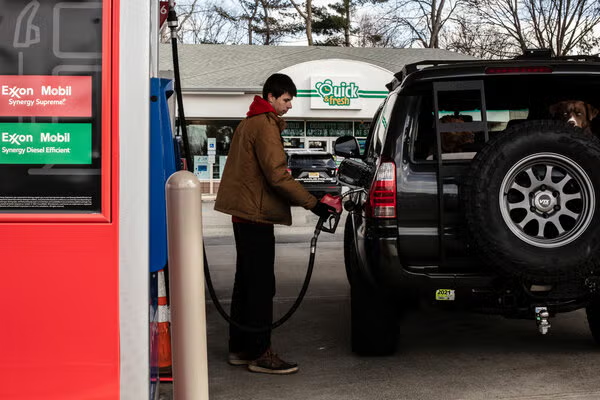
The rule comes from the Retail Gasoline Dispensing Safety Act. Under the 1949 act, drivers are not allowed to pump their own gas in New Jersey. The state later updated and recodified the law, and today it requires that only a trained attendant dispense gasoline at retail stations.
New Jersey wasn’t always alone. In the mid-20th century, other states also restricted self-service. New Jersey and Oregon held out the longest, with their mid-century laws citing safety concerns such as fire risk and exposure to toxic fumes. In August 2023, Oregon repealed its statewide ban and moved to a mixed model, leaving New Jersey as the only state with a full self-service prohibition.
Why New Jersey Banned Self-Service
The legislature has offered several justifications over the years. The reasons given have included fire hazards, insurance rates, and gas fumes. Supporters of the law also point to these arguments:
- Safety: Trained attendants are required to know where emergency shutoffs are, recognize unsafe conditions, and make sure only approved containers are filled.
- Fumes and health: Attendants, not the public, bear the exposure to fuel vapors, though they face it daily.
- Jobs and service: The law preserves attendant jobs and gives drivers, including older adults and people with disabilities, help at the pump.
- Weather and convenience: Many New Jersey drivers enjoy staying in their cars, especially in bad weather.
Why Critics Say the Rationale Is Outdated
Opponents argue the original safety concerns no longer apply. A 2026 Senate bill, S1047, argues that voluntary self-service is no longer a threat to fire safety, thanks to improvements such as nozzles that shut off automatically and emergency shut-off switches near the pumps. The bill also notes that New Jersey already allows self-service dispensing for vehicles powered by diesel, battery electric, and other non-gasoline fuels.
Others have questioned the law’s origins. Some contend the New Jersey law was rooted in corruption, not safety concerns. Critics also argue that eliminating attendant labor could lower prices by several cents per gallon, though estimates vary and the effect on prices is debated.
Who Gets Penalized?
The law is mainly aimed at the station, not the driver. The statute singles out the retail dealer when stations operate out of compliance with required safety sections. Penalties under the act are reported to start at around $50 to $250 for a first offense, with higher amounts for repeat violations, but the amounts and enforcement practices should be confirmed with the New Jersey Department of Labor and Workforce Development. In practice, an attendant will typically stop a customer who tries to pump, and the station is the party exposed to a fine.
Is Change Coming?
Lawmakers have introduced bills to allow self-service many times. The proposals usually give drivers the option, not a mandate. Under S1047, stations with more than four dispensers would continue to offer full-service gasoline during certain hours, and stations offering only self-service would need to assist drivers with disabilities at the self-service price. Earlier proposals, such as a 2025 bill from Senator Jon Bramnick, would also have kept attendants for people who need help. Even that bill’s sponsor doubted it would advance past committee. As of now, the bill has not advanced and New Jersey’s full-service requirement remains fully in force.
The issue has strong supporters on both sides: some residents want the option to save money or time, while others value the service and the jobs it protects. Whether it changes will depend on the legislature, not the courts.
What Drivers and Visitors Should Know
- Don’t try to pump gasoline yourself. Pull up to the pump and let the attendant handle it.
- Know the exceptions. Rules for diesel and electric vehicles differ from gasoline, but they may vary by station and fuel type.
- Tipping is optional. Attendants are not required to receive tips, but many drivers choose to tip.
- If you need help or have a disability, attendants are there to assist, and you can ask the station about its policy.
The Bottom Line
It is illegal to pump your own gas in New Jersey because of a 1949 safety law that has stayed on the books for more than 70 years. Supporters cite fire safety, fumes, and jobs, while critics say modern pumps and other states’ experience show the law is outdated. For now, the ban applies, and the only way it ends is if the legislature changes the law.