If you are caught drinking as a minor, the consequences can include fines, community service, driver’s license suspension, alcohol education programs, or other penalties depending on the laws in your state.
Many states treat underage alcohol offenses as misdemeanors or civil violations, while others offer diversion programs for first-time offenders. The penalties often depend on factors such as the person’s age, where the alcohol was consumed, and whether other offenses were involved.
Because the legal drinking age in the United States is 21, understanding state-specific laws and potential penalties can help minors and their families make informed decisions. Awareness of these consequences can encourage responsible decisions regarding alcohol.
Common Penalties for Underage Drinking
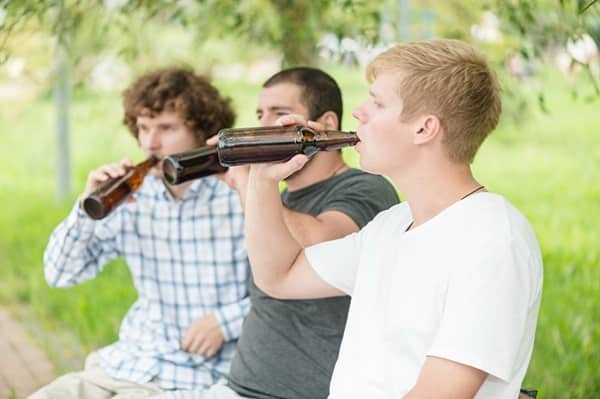
States have different penalties for minors who possess, purchase, or consume alcohol. First-time offenders may receive fines, mandatory alcohol awareness classes, or community service instead of jail time.
Some states may also suspend or delay a driver’s license, even if the offense did not involve driving. Repeat violations often result in more severe penalties.
Courts may consider the individual’s age, prior offenses, and the circumstances surrounding the incident.
Can a Minor Be Arrested?
Yes, a minor can be cited or arrested for violating state alcohol laws, although the outcome depends on the specific circumstances. Law enforcement officers may issue a citation, make an arrest, or refer the individual to juvenile court.
If additional offenses are involved, such as disorderly conduct or using a fake identification card, the legal consequences may increase.
What Happens in Court?
Some underage drinking cases are handled in juvenile court, while others may proceed through adult court depending on the person’s age and state law. Judges may order counseling, probation, or participation in alcohol education programs.
Many jurisdictions also offer diversion programs for eligible first-time offenders. Successfully completing these programs may reduce or resolve certain penalties.
Relevant Alcohol Laws
The National Minimum Drinking Age Act of 1984 (23 U.S.C. § 158) encourages states to prohibit the purchase and public possession of alcohol by individuals under 21 by linking compliance to certain federal highway funding.
In addition, state statutes establish penalties for underage possession, consumption, or purchase of alcohol. Some states also prohibit the use of fraudulent identification to obtain alcoholic beverages.
Can an Underage Drinking Charge Affect the Future?
An underage drinking offense may affect employment opportunities, educational programs, or professional licensing in certain situations. Whether it appears on a background check depends on state law and the outcome of the case.
Some records may qualify for sealing or expungement if permitted by state law. Eligibility requirements vary and often depend on the individual’s age and criminal history.
Key Takeaways
- Underage drinking penalties vary by state.
- Common consequences include fines, community service, and alcohol education.
- Driver’s license suspension may occur even without a DUI offense.
- Juvenile or adult court may handle the case depending on state law.
- The National Minimum Drinking Age Act established the nationwide drinking age framework.
- State statutes determine the specific penalties for underage alcohol violations.
- Diversion or record-sealing options may be available in some cases.