Drivers have a legal duty to operate their vehicles with reasonable care and keep their attention on the road. When a driver looks at a phone, interacts with passengers, adjusts controls, or engages in another distracting activity, that conduct can contribute to a preventable collision.
If you were injured in an accident and believe the other driver was distracted, establishing what happened can be important when pursuing compensation. Here are five signs of distracted driving.
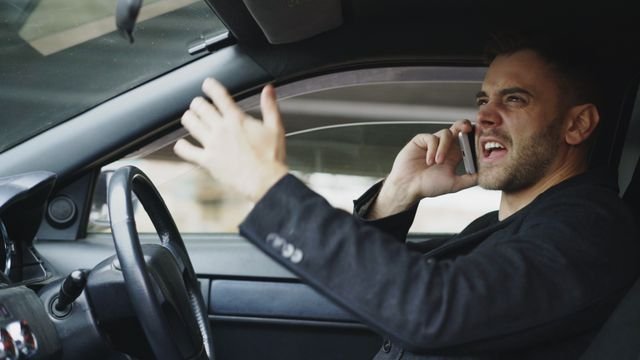
Wearing Headphones
A driver wearing headphones may be talking on the phone, listening to music, or using another audio device while behind the wheel. These activities can create additional distractions by diverting the driver’s attention and potentially limiting their ability to hear important sounds around them, such as horns, sirens, or nearby vehicles.
If you notice another driver wearing headphones and driving erratically, keep a safe distance whenever possible. If a collision occurs, video footage can provide important distracted driving evidence. Dashcams, traffic cameras, and nearby business cameras may capture a driver wearing headphones, which can help establish fault. Be sure to act fast since some systems overwrite recordings after a few days.
Sudden Braking
Sudden or unexplained braking can be another sign that a driver was distracted. A motorist who looks down at a phone or focuses on something inside the vehicle may fail to notice slowing traffic until the last moment, forcing them to brake abruptly. While sudden braking alone does not prove distraction, it can provide useful context when combined with other observations.
Veering on the Road
Unpredictable driving can be a warning sign that a motorist is distracted. A driver who has difficulty maintaining a consistent course may be looking at a phone, adjusting something inside the vehicle, or otherwise failing to focus on traffic. If you encounter a vehicle behaving erratically, increase the distance between your vehicles or safely move away when possible.
Chewing
A quick meal or drink may seem harmless, especially during a long trip or busy morning, but it can take a driver’s attention away from the road. Even a brief glance away can prevent a driver from reacting to sudden traffic changes or unexpected hazards. Eating while driving is not necessarily illegal by itself, but it can still contribute to unsafe driving.
A Glowing Phone Screen at Night or Looking Down
If you notice another driver repeatedly looking down toward their lap, they may be using a cell phone instead of watching the road. At night, the glow from a phone screen can provide another visible clue, especially when the driver’s face is illuminated by the device.
While modern vehicles have illuminated dashboards and digital displays, these lights are usually positioned where the driver can see them without looking far away from the road. A driver repeatedly looking downward may indicate that their attention is focused on a phone or another object rather than the traffic ahead.
Endnote
Distracted driving can be difficult to prove, especially when the other driver denies being distracted. Paying attention to warning signs, preserving available video footage, and documenting what you observed can help establish what happened.