It usually starts with a simple request. An officer says, “Mind if I ask you a few questions?” You haven’t done anything wrong, so you figure answering will clear things up. The tone is calm, and the conversation feels casual. But what you say next can become part of a record that follows you into a courtroom.
That’s why so many people wonder whether they should answer police questions without a lawyer. It’s a fair question, and the answer isn’t always obvious in the moment. This guide explains how police questioning works, what your rights say, which mistakes are common and how to protect yourself calmly.
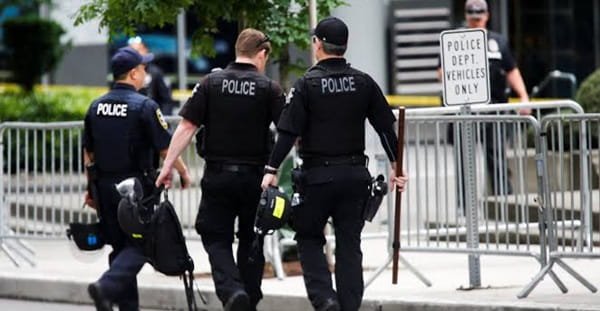
Why Police Questions Feel Different From Everyday Conversations
Most of us are used to answering questions honestly and openly. That works well with friends and coworkers. A police interview is different because its purpose is to gather information that may be used in a case.
Officers are often friendly and professional. That doesn’t change the fact that your words can be written down, recorded, and used later. Even a harmless comment can be taken out of context.
Police interviews can also happen in different settings. Some take place at the roadside, some at a station, and some during a visit to your home. The setting can change how pressured you feel.
Stress plays a part too. People feel nervous, rushed, or eager to help, and they sometimes say more than they planned.
What Your Rights Say About Staying Silent and Asking for a Lawyer
In the United States, people have certain rights when they’re questioned by police. You may have heard them read aloud as part of Miranda warnings. Those warnings generally apply when someone is in custody and being questioned.
Commonly listed rights include:
- The right to remain silent.
- The right to speak with a lawyer.
- Protection against self-incrimination.
- Protection against unlawful searches and seizures.
These rights only help if you understand them and use them. Asking for a lawyer clearly and calmly is one common way people do that.
Rights can differ depending on whether you’re being detained, arrested, or simply talking voluntarily. That’s one more reason to seek guidance early.
Common Mistakes People Make During Police Questioning
Most people who talk to police mean well. Still, a few habits can cause trouble later.
Here are some of the most common ones:
- Over-explaining: Trying to clear things up can lead to extra details that raise more questions.
- Guessing: Estimating times, places, or events can create inconsistencies later.
- Changing the story: Small differences between versions can look like contradictions.
- Worrying how a request looks: Some people hesitate to ask for a lawyer because they fear it seems suspicious.
None of these mistakes make someone guilty. They simply show how easily an honest conversation can get complicated.
How a Lawyer Can Help Before and During Questioning
A lawyer can explain your rights and help you decide how to respond and speak with investigators on your behalf. That’s a lot to handle alone, especially under stress.
Talking with a criminal defense attorney in Orlando before you answer questions can help you understand what’s at stake and what your options are. An attorney can also be present during questioning to help protect your rights. If you aren’t sure where to start, even a short conversation can bring clarity.
A lawyer can also review what is being asked and why. That context can be hard to see when you’re the one being questioned.
It’s also worth knowing that asking for a lawyer isn’t a sign of guilt. It’s a normal step many people take when a situation feels serious.
What to Do If Police Want to Talk to You
Staying calm matters more than anything. You can be polite and respectful while still protecting yourself.
Here are a few practical steps:
- Stay calm, and don’t argue or resist.
- Ask whether you’re free to leave.
- Say clearly that you’d like to speak with a lawyer.
- Write down the time, place, and officers’ names afterward.
These steps are general guidance, and every situation is different. If you’re ever unsure, a calm, polite request to speak with a lawyer is a simple place to start.
Florida criminal cases follow a general order of arrest, booking, first appearance and arraignment, a sequence O’Mara Law Group also describes. Questioning can happen at any point along the way, including right at the start.
Why Understanding Your Rights Matters Before Questioning Begins
It’s easy to think only guilty people need to be careful. The record tells a more complicated story. In its tally of 375 DNA exonerations in the U.S., the Innocence Project lists false confessions as a factor in 29 percent of cases.
Those are unusual cases, and they don’t describe most police interviews. Still, they show how pressure, fatigue, and confusion can shape what people say.
Conclusion
Should you answer police questions without a lawyer? There isn’t a one-size-fits-all answer, but it’s worth pausing before you do. Know your rights, stay calm, and ask clearly for a lawyer if you want one. A moment of thought can protect you later. This article is general information rather than legal advice, and your own situation deserves guidance from a licensed attorney.
FAQs
Q1. Do I have to answer police questions?
In general, you have the right to remain silent. Rules can depend on the situation, so a licensed attorney can explain how they apply to you.
Q2. Does asking for a lawyer make me look guilty?
No. Asking for a lawyer is a recognized right, and it doesn’t mean you did anything wrong.
Q3. What are Miranda warnings?
They’re statements police give before certain custodial questioning, covering your right to stay silent and to speak with a lawyer.
Q4. Should I lie to police to protect myself?
No. Giving false information can create new problems. Speaking with a lawyer first is a better way to protect yourself.