Yes, installing security cameras on rental property can be legal in Texas, but where the camera is placed and what it records are critical. A landlord generally has more freedom to use cameras in exterior or common areas than inside a tenant’s private living space. Cameras that record tenants in places where they reasonably expect privacy can create serious legal problems under Texas privacy and criminal laws. The lease and the circumstances of the surveillance also matter.
Can Landlords Install Cameras Outside Rental Properties?
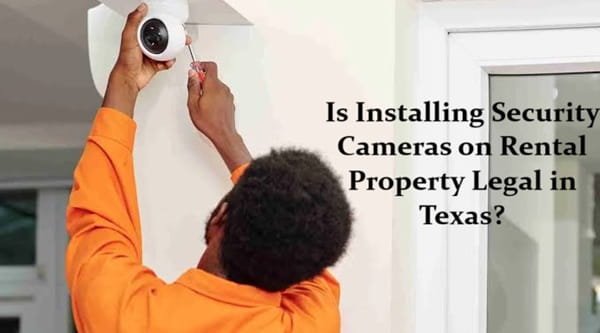
Generally, yes. Security cameras may be used to monitor areas such as entrances, parking lots, driveways, gates, hallways, or other locations where people generally have a lower expectation of privacy.
For example, a landlord may install a camera facing an apartment building’s exterior entrance to monitor unauthorized access or property damage. However, the camera should be positioned carefully so that it does not unnecessarily record private areas belonging to tenants.
The fact that a camera is installed for security purposes does not give a landlord unlimited authority to monitor tenants.
Can a Landlord Put a Camera Inside a Tenant’s Home?
This is substantially more complicated. A tenant has privacy rights in a rented home, and Texas courts recognize limits on a landlord’s ability to enter a tenant’s residence. TexasLawHelp explains that a landlord generally may enter a tenant’s home only when the tenant permits entry or the lease provides a specific basis for entry.
Installing a camera inside the tenant’s private living area can go beyond ordinary property security and potentially interfere with the tenant’s privacy and right to quiet enjoyment. A camera aimed at a bedroom, bathroom, or similarly private location presents particularly serious concerns.
What Does Texas Law Say About Privacy?
Texas Penal Code Section 21.15 addresses invasive visual recording. The statute covers recording a person without consent, with intent to invade privacy, in a place where the person has a reasonable expectation of privacy. The statute specifically identifies bedrooms, bathrooms, and changing rooms as examples of places where such an expectation can exist. A violation can constitute a state jail felony.
Importantly, simply posting a sign stating that an area is under video surveillance does not automatically establish consent under Section 21.15.
Therefore, a landlord should not assume that a surveillance notice makes every camera placement lawful.
What About Cameras in Common Areas?
Cameras in common areas generally present fewer privacy concerns than cameras inside private residences. Depending on the property and lease, surveillance may be used around entrances, parking areas, mailrooms, laundry rooms, or other shared spaces.
Even in common areas, however, the camera should have a legitimate purpose and should not be deliberately positioned to capture private activities inside a tenant’s home.
The landlord should also review the lease and any applicable property rules before installing or changing surveillance equipment.
What About Audio Recording?
Cameras capable of recording sound require additional caution. Texas Penal Code Section 16.02 regulates the interception of wire, oral, and electronic communications. Generally, a person who is not acting under color of law may intercept a communication when the person is a party to it or when one party has given prior consent, subject to statutory exceptions.
Consequently, a security camera that continuously records conversations can raise different legal issues from a camera that records video only. Landlords should not assume that rules permitting a visible security camera automatically authorize unrestricted audio recording.
Does the Lease Matter?
Yes. The lease may contain provisions addressing landlord entry, security devices, surveillance, privacy, or property rules. TexasLawHelp notes that many Texas leases authorize landlords to enter rental units for specified purposes, but landlords must still comply with the terms of the lease and applicable privacy rights.
A tenant who discovers a new camera should therefore review the lease before assuming that the installation is permitted or prohibited.
What Can a Tenant Do About a Suspicious Camera?
A tenant who believes a camera is improperly positioned should document its location, direction, visible recording area, and any communications with the landlord. The tenant can request an explanation in writing and ask whether the device records video, audio, or both.
If the camera appears to record a bedroom, bathroom, or another private area, the tenant may want to obtain legal advice promptly because privacy and criminal-law issues can be fact-specific.
TexasLawHelp explains that tenants who believe a landlord has violated their privacy may make a written demand and, in more serious situations, may have potential legal remedies through the courts.
Conclusion
Installing security cameras on rental property is not automatically illegal in Texas. Cameras monitoring exterior or genuinely shared areas can generally serve legitimate security purposes. However, surveillance inside a tenant’s private home is substantially more sensitive, particularly when bedrooms, bathrooms, or other areas carrying a reasonable expectation of privacy are recorded.
Audio recording creates an additional layer of legal concern under Texas interception laws. Landlords should carefully consider camera placement, recording capabilities, lease provisions, and privacy requirements before installing surveillance equipment. Tenants who believe they are being improperly monitored should document the situation and consider obtaining legal advice.