What most people imagine as fulfillment is a dramatic finish line. The debt is gone. The diagnosis is managed. The paperwork is settled. Life suddenly feels bright and obvious. In real life, it is often much quieter than that.
A lot of relief arrives with almost no fanfare. You notice that your shoulders are not up around your ears. You answer the phone without bracing. You open the mailbox and do not feel sick. If money stress has been tangled up with disability, caregiving, or chronic health limits, even small changes can matter. Learning about options such as debt forgiveness for disabled adults can be part of that shift, not because it creates a perfect ending, but because it makes daily life a little more livable.
That is the piece people miss. Fulfillment is not always excitement. Sometimes it is the return of ordinary function. Sometimes it is the ability to plan two weeks ahead. Sometimes it is simply having enough mental room to make lunch, show up to an appointment, or sleep through the night.
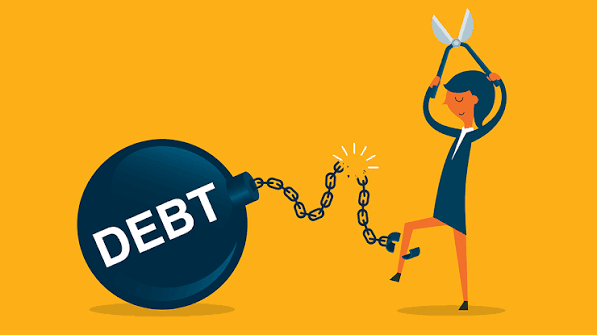
Why relief can feel strangely underwhelming
When you have been under pressure for a long time, your mind gets used to urgency. It expects alarms. It scans for the next problem. So when a problem eases, your body may not celebrate right away. It may just go quiet.
That quiet can be confusing. People sometimes think, I solved part of this, so why do I not feel happier? The answer may be that stability does not always feel thrilling. It often feels plain. You are not failing at gratitude if your first reaction to progress is a deep breath instead of joy.
This matters because many people chase a dramatic emotional payoff and overlook real improvement. If your bills become more manageable, if calls from collectors slow down, or if a payment arrangement gives you breathing room, that is not small. It is a structural change in your life, even if it does not look cinematic.
The nervous system likes predictability more than inspiration
For people living with disability, unpredictability can be especially costly. Energy may already be limited. Pain, appointments, mobility barriers, benefit rules, and work restrictions can turn normal admin tasks into major projects. In that setting, fulfillment often looks like a routine you can trust.
A useful question is not, Do I feel triumphant? It is, Does my day ask less from me now?
That might mean keeping protected income separate in one account so it is easier to track. It might mean getting benefits by direct deposit so money arrives reliably each month. The Social Security Administration explains that federal benefit payments, including SSI, are made electronically and that Social Security direct deposit information can help people set up automatic monthly payment delivery with less uncertainty.
Peace is built from boring decisions
It can look like this:
- Answering a notice instead of avoiding it
- Saving letters in one folder
- Writing down due dates
- Asking a creditor about hardship options
- Separating what must be paid now from what can be disputed or negotiated
Just as important, they replace guessing with information. Consumer guidance on what details a debt collector must provide explains that collectors generally have to give validation information, including the creditor’s name, the current amount of the debt, and how to dispute it. Knowing what should be in that first notice can make a stressful contact feel a little less foggy.
That matters because confusion is one of the heaviest parts of financial stress. When you know what information should be on the table, you are less likely to feel trapped by every ring, letter, or message. You may still have debt. You may still have pain, paperwork, and limits. But the problem becomes more defined, and a defined problem is usually easier to face than a shapeless one.
What fulfillment looks like in ordinary life
It is understanding which problem actually needs attention today. It is noticing that one phone call no longer wrecks the whole afternoon. It is having a system, even a small one, for papers, payments, and follow ups. It is accepting that progress can be real before it feels dramatic.
That last one matters most. Fulfillment is not the absence of difficulty. It is a steadier relationship with difficulty. You stop feeling dragged by every wave. You start recognizing what is yours to handle today, and what can wait.
For some people, steadiness also means protecting what is already keeping them afloat. Consumer guidance on protected federal benefits and garnishment explains that direct deposited federal benefits receive important protections, and that the way money is received can affect how those protections work. That kind of practical knowledge may not feel inspiring, but it can reduce fear fast.
Let the quiet count
So if things feel calmer and you are wondering whether that is enough, it probably means something real is happening. Not flashy. Not final. Just real. And for many people, that is what relief has always been trying to become.