Texas is in the South Central United States and is the second-largest state by area. Its strong and diverse economy includes major industries that generate significant income, although poverty and income inequality remain ongoing challenges.
If you’re planning to get a tattoo in Texas, it’s important to understand the state’s age requirements before scheduling an appointment. Texas law generally requires individuals to be at least 18 years old to receive a tattoo, with only a limited exception that allows certain minors to receive a tattoo to cover an existing obscene, offensive, gang-related, or court-determined inappropriate tattoo.
Knowing the age and ID requirements to get a tattoo before scheduling an appointment reduces confusion. It also protects minors, parents, and licensed tattoo professionals. This article highlights all the key information that one needs to know before getting a tattoo in Texas.
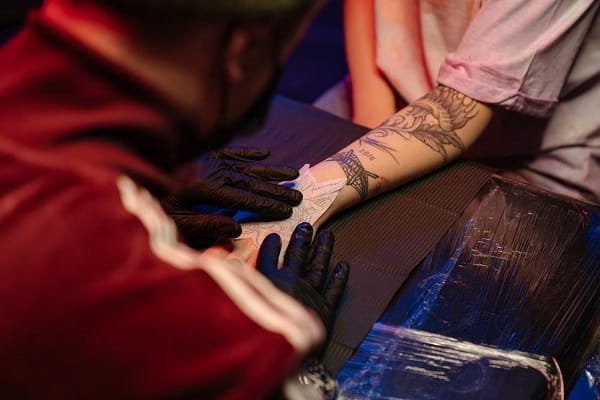
What Is the Minimum Tattoo Age in Texas?
Texas law generally requires that a person be at least 18 years old to receive a tattoo. Licensed tattoo artists cannot legally tattoo someone younger unless a specific statutory exception applies. This rule protects minors while providing a clear legal standard for tattoo businesses operating within the state.
Can a Minor Legally Receive a Tattoo
Texas recognizes a narrow exception for minors. A tattoo may be permitted only to cover an existing tattoo that is obscene, offensive, gang-related, or determined by a court to be inappropriate.
This exception is not intended for decorative body art or personal preference. The purpose is to replace harmful or inappropriate markings under carefully regulated circumstances established by state law.
Does Texas Allow Parental Consent for a Minor’s Tattoo?
Parental approval alone does not allow a minor to receive any tattoo. Instead, consent is valid only when the legal exception applies, and the required documentation is provided.
The parent or legal guardian may appear, verify their identity, and complete the paperwork required under Texas law. Tattoo studios may request additional records supporting eligibility before performing the procedure.
What ID Do You Need to Get a Tattoo in Texas?
Licensed tattoo studios routinely require a valid government-issued photo ID before providing tattoo services. Identification helps verify the client’s age and reduces the risk of violating state restrictions.
Acceptable identification commonly includes a driver’s license, a state-issued identification card, a military identification, or a passport. Refusing to provide acceptable identification will usually prevent the appointment from proceeding.
What Happens If the Law Is Violated
Tattooing a minor outside the legal exception may result in significant legal consequences. Depending on the circumstances, enforcement actions can include fines, licensing penalties, administrative action, or other sanctions authorized under Texas law.
Compliance benefits both tattoo artists and clients. Following statutory requirements minimizes disputes while helping licensed businesses maintain professional standards and legal operating status.
Tattoo Studios Are Regulated
Texas requires tattoo studios and artists to comply with health, sanitation, and licensing standards. These regulations help reduce infection risks and create safer conditions for clients receiving tattoos.
According to the Texas Department of State Health Services, licensed facilities may meet sanitation requirements, maintain appropriate records, and follow inspection standards established under state regulations. These requirements remain an important part of consumer protection.
Steps Should Clients Take Before Getting Tattooed
Here are practical steps that support legal compliance:
- Confirm you are at least 18 unless the legal exception applies.
- Bring a valid government-issued photo ID.
- Review whether additional documentation is legally required.
- Verify the studio operates under a valid Texas license.
- Ask questions about identification and recordkeeping before the appointment.
Following these steps makes the process smoother while reducing unnecessary delays.
Key Takeaways
- Texas generally prohibits tattooing anyone under 18 years old.
- Minors qualify only for a limited legal exception involving certain existing tattoos.
- Parents or legal guardians may provide consent and required documentation when the exception applies.
- Licensed studios verify age using valid government-issued photo identification.
- Tattoo businesses may comply with Texas licensing, sanitation, and health regulations.
- Violating age requirements can result in fines, licensing penalties, or other legal enforcement.
- Understanding the law helps clients and tattoo professionals remain compliant with state requirements.