Yes, axolotls are legal to own in Texas. The state does not list them among the prohibited exotic pets, and for most citizens, no special permit is required to keep them as pets. You just need to make sure you follow any local animal possession laws and obtain the axolotl from a legal, captive-bred source.
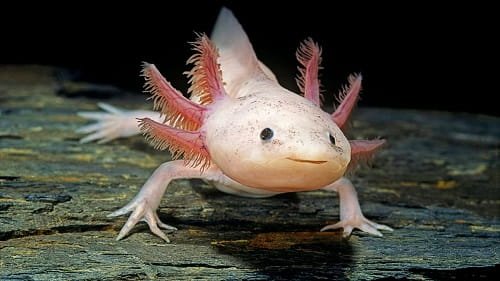
Axolotls have surged in popularity as pets because they look and behave differently from typical pets. These aquatic salamanders, native to Mexico, are often called “Mexican walking fish” and have a quirky charm that many exotic-pet lovers gravitate toward. If you live in Texas and you’re thinking of bringing one home, you’ll be glad to know the laws are relatively friendly—but that doesn’t mean you’re completely off the hook. While the state allows them, you still have to keep them lawfully, care for them properly, ensure they’re legally acquired, and check your local ordinances. Because exotic-pet laws vary by municipality, what’s completely fine in one Texas county might have added rules in another. So yes—you can own an axolotl in Texas, but you should still do your homework before purchasing or transporting one.
What the Laws and Sources Say
According to reliable sources, axolotls are not illegal in Texas. One article states clearly: “In Texas, axolotls are not illegal, and as long as the owner abides by all applicable laws and rules, an axolotl may be kept as a pet.”
Another listing of legality by state lists Texas among the states where axolotls are legal and do not require special permits. This indicates that at the state level, there is no prohibition or extra licensing requirement for private ownership.
Important Considerations Even Though They’re Legal
Although owning an axolotl is allowed, there are several practical and regulatory factors you should consider:
- Acquisition source: Ensure the axolotl you buy is captive-bred and legally transported. Some species or importations may involve restrictions under federal laws like CITES (Convention on International Trade in Endangered Species) if the animal was wild-caught.
- Local ordinances: Even though state law allows ownership, city or county rules may impose restrictions. Always check your local animal control or exotic-pet regulations.
- Endangered or protected species status: The wild axolotl is critically endangered. While pet axolotls are usually captive-bred, the broader conservation status means some care and legal import/export rules can apply.
- Welfare and husbandry: Owning an axolotl comes with responsibility—they need specific tank conditions (cool water, stable environment, proper diet) to thrive. Poor care can lead to legal issues under animal cruelty or wildlife regulations.
- Business or breeding regulations: If you intend to breed axolotls or sell them in Texas, you may need to comply with additional commercial pet-trade laws or local business permits—even though mere ownership is legal.
Why Some States Ban or Restrict Them (and Why Texas Doesn’t)
In some U.S. states, axolotls are banned or require permits because of risks if they escape into local ecosystems or cross‐breed with native species. For example, California and New Jersey forbid them outright.
Texas appears to take a more open stance toward exotic pets that are non-dangerous and easily contained. Because axolotls are small, aquatic, and relatively low-risk from a public safety standpoint, Texas has not applied strict prohibitions. However, that doesn’t mean all exotic pets are treated the same in the state—dangerous wild animals remain subject to separate laws.
Final Answer: Are Axolotls Legal in Texas?
Yes — you can legally own an axolotl in Texas. There is no statewide ban or requirement for a permit for general private ownership. However, to do so responsibly you should ensure that you purchase the animal legally (preferably captive-bred), check local regulations in your county or city, provide proper care, and abide by any import/export or business rules if you plan to breed or sell.