In most of the country, vaping while driving is not illegal by itself. No federal law bans it, and most states have no statute that specifically prohibits an adult from vaping behind the wheel. That doesn’t make it risk-free. Depending on what you’re vaping, who is in the car, and how you’re driving, vaping can still lead to a ticket, a criminal charge, or liability after a crash.
Why Vaping Behind the Wheel Is Usually Not Banned
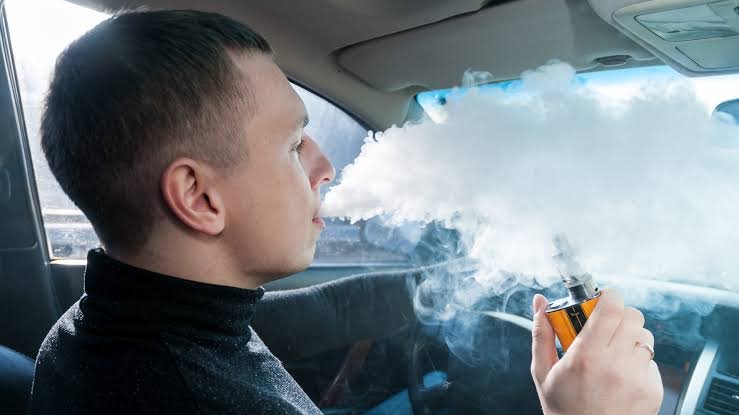
Although many laws regulate e-cigarettes, few if any specifically prohibit using a vaping device while driving. Laws on vaping mostly cover who can buy products, where they can be sold, and where they can be used indoors in public places or workplaces. A private vehicle is generally not covered. Because rules vary by state and sometimes by city or county, it is worth checking local law. Some cities and counties have their own rules on vaping in vehicles.
When Vaping and Driving Can Still Get You in Trouble
Distracted driving. Vaping often involves taking your hand off the wheel, looking at the device, or being distracted by it. Officers can cite drivers under distracted driving, reckless driving, or DUI laws even where no vaping-specific law exists. Many states also have broader laws against careless or inattentive driving, which an officer can apply to any behavior that takes your attention off the road.
Blocked visibility. A large vapor cloud that obscures your view of the road or your mirrors can support a citation for unsafe driving, even if vaping is otherwise legal.
Handling the device. Some states restrict handheld use of electronic devices while driving. Whether a vape counts is unsettled and depends on the statute’s wording, so don’t assume you’re covered.
Crashes and civil liability. If you’re in an accident and vaping contributed to it, that can be used as evidence of distraction in an insurance claim or lawsuit. It can affect fault, damages, and sometimes your insurer’s response.
Vaping With Minors in the Car
Several states and some local governments prohibit smoking in a car when children are present, and some of those laws cover e-cigarettes too. Penalties are usually modest fines, but the rules differ by state and by the age of the passenger. In some places the coverage comes from county or city ordinances. New York, for example, has no statewide ban for adults, but certain counties and cities prohibit vaping in a car with anyone under 18. If a child is in your vehicle, check your state and local rules.
Vaping Cannabis or THC Is a Different Matter
The biggest legal risk comes from vaping cannabis. In Minnesota, for example, vaping THC while driving can result in a DUI if it impairs your driving. The same is true in many other states: drugged driving laws apply regardless of whether cannabis is legal for adult use. Even if you aren’t impaired, many states with legal cannabis have open container rules for vehicles, so a partly used cartridge or a vape pen containing cannabis may need to be stored properly, such as in a sealed container or the trunk. Federal rules for commercial drivers are stricter still, and marijuana use remains prohibited under federal drug testing regulations for many safety-sensitive jobs.
Other Situations Where Rules May Differ
- Age: The federal minimum age to buy tobacco and vaping products is 21, and some states restrict possession and use by people under 21. A younger driver can face citations unrelated to driving.
- Work vehicles: Employers, government agencies, and rideshare companies often ban vaping in vehicles. Violating that rule may not be a crime, but it can cost you a job or an account.
- Rental cars: Rental agreements often prohibit smoking and vaping, and can charge a cleaning fee.
Practical Tips
- Pull over before vaping. This avoids almost every problem above.
- Never vape cannabis while driving, and store products according to your state’s open container rules.
- Don’t vape with minors in the car.
- Check your state’s and city’s rules, since local laws differ.
- If you’re cited, don’t assume it’s a minor matter. A distracted or reckless driving ticket can affect your insurance and, in some states, add points to your license.
If You Receive a Citation
Read the statute listed on the ticket. A charge for distracted or careless driving is different from a DUI or a child-passenger violation, and the consequences differ too. A traffic or criminal defense attorney can explain your options, especially if you face a drug-related charge or a commercial driver’s license is involved.
The Bottom Line
Vaping while driving is generally legal in the US, but “legal” has limits. You can still be cited for distracted or reckless driving, charged with DUI if you’re vaping cannabis, or penalized if a minor is in the car. The safest approach is to pull over first.