Parental alienation is an intense negative attitude of a child towards one of the parents, which is not justified by any specific reason. Imagine you are on your way to see your child, but when you arrive, they refuse to see you. They say they do not want to spend time with you. They sound almost like parroting adults. You leave with feelings of confusion, sorrow, and possibly thinking that the relationship you had with the child is gone.
If these kinds of situations make you wonder about things like, “Is my child being influenced somehow? Is it some reaction to some previous situation? Are there any security concerns that need to be resolved now, etc.”
During times of parental separation, children often experience confusion, anxiety, and ambivalence about being torn between two families. As they hear hurtful things about one parent, they may also feel pressured to choose one parent over the other, experience emotional manipulation, or even lose interest in the other parent.
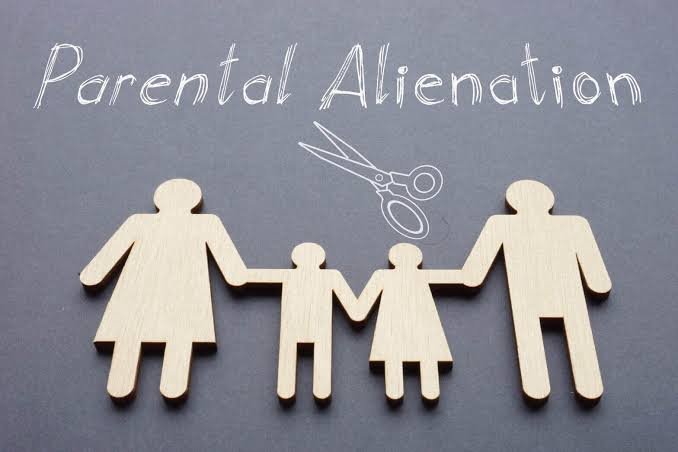
Some families may refer to the issue as parental alienation syndrome. Nonetheless, the DSM-5 does not recognize this as a clinical diagnosis. A parental alienation checklist can help you notice repeating patterns.
Note that the aim of a checklist is not to characterize your child or prove your worries. It is meant to help you identify signs and find the necessary support. Consulting with a mental health specialist is one way for parents to understand the parental alienation evaluation methods, along with deciding what kind of materials or reviews are required, considering the situation they are in.
Parental alienation checklist
Some indications may suggest that the child is under pressure, but they don’t prove parental alienation. While there is no official checklist of signs of parental alienation syndrome, research has examined both the strategies parents may use to undermine the other parent and patterns reported by:
Parental alienation checklist 1: Firm rejection with no justifiable reason
The child may suddenly refuse to have anything to do with the parent whom it used to love or trust. When a child says: “I just hate them. I don’t ever want to see them again. They’re terrible people. There is nothing good about them.”
Another common tactic in parental alienation is denying the other parent access to key updates, medical issues, school events, report cards, or extracurricular activities. Sometimes the child is even told by the alienating parent not to share these things, reinforcing secrecy and division.
Note that the reason for the child’s rejection may be insignificant, unclear, or not related to the reason for the rejection.
Parental alienation checklist 2: Consistent criticism
The child may repeatedly criticize one of their parents, especially the targeted parent. They might say one parent is entirely bad, even if there have been moments when that parent cared. The child is likely to stop mentioning the following things:
- Good experiences
- Good actions
- Joint activities
- Helpful things done by this parent
- Some positive trait of the parent
Children often have mixed feelings about people. If they see one parent as all positive and the other as completely bad, it usually means they are under a lot of stress.
Parental alienation checklist 3: Using adult language
The child might use words that are unusual for their age or experience. For example, a small child could use:
- Custody rights
- Court orders
- Family law matters
- Constitute legal advice
- Emotional damage
- Legal rights
- Money responsibility
- Words that describe parenting in an abstract way
Children can simply repeat what they hear from their parents. This does not mean they are proving parental alienation or that one parent taught them those words, but it is worth verifying.
Parental alienation checklist 4: One parent is always good, and the other one is always bad
A child may see one parent as perfect while the other (aka targeted parent) as bad. No child should ever have to stop one parent from saying or thinking something negative about the other.
Parental alienation checklist 5: Quick to take sides
The child may very easily choose sides during any conflict. For instance, they might:
- Defend the parent without bothering to listen to the other side
- Be angry when someone says something good about the rejected parent
- Refuse to take all perspectives into account
- Act as if they cannot support both parents
Parental alienation checklist 6: Child feels no guilt
The child might violate, reject, or abuse one parent without feeling guilty.
For example, the child might seem happy that they hurt the parent, or even that the parent deserves it. The child might feel secure with the preferred parent or might think that rejection is normal.
Perhaps the kids do not show guilt because feeling love for the rejected parent might be dangerous.
Parental alienation checklist 7: Child claims complete independence in making their decision
One of the typical statements explained by children is: “I made this decision myself. No one told me to say this. This view is from my own experience.”
This phenomenon is sometimes called the independent thinker syndrome. The child may genuinely believe it. In other words, the child’s behavior might adopt someone else’s thoughts and then treat them as if they were his own.
Simply asking them, “Whom did you hear that from?” may make the child feel threatened. Instead, a professional should try to get information from the child gently.
Parental alienation checklist 8: Anger affecting the whole family law
The child has negative feelings toward one parent’s family, not just the parent but also relatives and friends, even pets.
For example, an alienated child can suddenly refuse to meet any of the grandparents whom they used to love but now say terrible things about them. This anger shows how conflict affects the child’s relationship with the whole family.
Parental alienation checklist 9: Reactions not corresponding to the reason
The child may provide a nonsensical reason for strong dislike. For example:
- I had to eat vegetables.
- They gave me the wrong present.
- They said I always untidy my room.
- They were once late.
Although the incidents could upset the child, they provide no grounds for either harsh fear or total refusal.
An adult should react appropriately. It’s important not to make fun of the child, but to understand the whole situation.
Parental alienation checklist 10: Drastic changes in the child’s behavior
The child facing family conflict might exhibit the following changes in behavior:
- Fear of visits
- Insomnia
- Headaches and stomachaches
- Anger
- Isolation
- Decline in academic performance
- Fear of parent’s disappointment
- Refusal to communicate
There are many causes behind these signs, such as divorce, problems at school, conflict in the family, and violence.
What should parents do?
If your child is getting pulled into this conflict, try to remain calm. Attacking your partner will only create fear and loyalty issues for your child. Even parents with the best intentions can engage in alienating behaviors during conflict. As a parent, try to do the following:
- Listening without leading
- Asking open questions
- Taking notes about significant dates and events
- Being calm and respectful in your messages
- Avoiding direct criticisms of the other parent
- Following the law
- Getting assistance from an expert, such as a board-certified forensic child psychiatrist
In a conversation with your child, try asking questions like:
- How do you feel about the visits?
- What’s been difficult for you?
- Is there anything you want me to know?
- Do you feel comfortable discussing both of your homes?
- What can make you feel more at ease?
On the contrary, don’t ask your child questions like:
- Did your other parents make you say that?
- Your other parent is lying, right?
- Which parent do you prefer?
- Try to find out everything your other parents did.
The goal of this approach is to help your child’s mental well-being rather than make them take sides. Parental alienation is serious and can cause irreparable damage to a child’s relationship with both parents. If you suspect your child’s other parent has been trying to turn your child against you or is giving false information about you, you should contact an attorney. An attorney experienced in high-conflict custody can help you document patterns, request evaluations, and seek legal remedies without escalating unnecessarily.
How can a psychiatrist help?
A psychiatrist is a medical doctor specialized in diagnosing and treating mental health issues. They can assess a child’s mental health, family circumstances and evaluate other child’s life aspects. Note that they are not expected to confirm parental alienation simply because one parent requests it. They consider both possible influence from another parent and the possibility of real harm. They can help the child and parents in the following ways:
- Listening to and assessing the child
- Looking for signs of fear, stress, and trauma
- Examining the child for changes in sleep, mood, and behavior
- Talking with parents when needed
- Providing emotional support for the child’s relationship with both parents
- Recommending therapy (e.g., reunification therapy) or family support
- Treating the condition
On the other hand, in cases where one parent suspects parental alienation, a psychiatrist shouldn’t conclude that alienation is present after hearing only one parent’s viewpoint. A proper parental alienation evaluation process requires courts and clinicians to look for a pattern rather than rely on a fixed checklist alone. A proper evaluation process requires considering the child’s testimony, history, safety, relationships, medical records, evidence, etc., and good documentation helps differentiate a real pattern from unsupported claims. If you worry about where to go for a mental health evaluation, don’t fear. Telepsychiatry makes seeking help from an expert, such as a board-certified forensic psychiatrist, very accessible. GABA Telepsychiatry provides psychiatric care assistance online, as well as court-ordered mental health evaluations over HIPAA-compliant video.
Is reunification therapy effective for parental alienation?
The primary purpose of reunification therapy is to mend the broken relationship between the child and their parent. It provides the child with a structured environment where both parents speak, listen, and understand each other while slowly rebuilding trust.
However, reunification therapy does not suit every family. A child may not want to see a parent because of external pressure from the other parent. This may also happen after abuse, neglect, domestic violence, substance abuse, or any other important reason. An experienced mental health professional can assess the level of safety before suggesting that the family engage in this therapy.
Remember that the goal is not simply to build a case against the other parent. The goal is to understand what the child is experiencing, protect the child from harm, and create the best possible chance for a healthy parent-child relationship.
Reference:
- von Boch-Galhau W. Parental Alienation (Syndrome) – Eine ernst zu nehmende Form von psychischer Kindesmisshandlung [Parental Alienation (Syndrome) – A serious form of child psychological abuse]. Neuropsychiatr. 2018 Sep;32(3):133-148. German. doi: 10.1007/s40211-018-0267-0. Epub 2018 Apr 13. PMID: 29654470.
- Bernet W. Understanding the reality of parental alienation. Encephale. 2017 Dec;43(6):507-509. doi: 10.1016/j.encep.2017.11.002. PMID: 29223448.
- Bensussan P. Aliénation parentale, abus psychologique de l’enfant et DSM-5 [Parental alienation, child psychological abuse and DSM-5]. Encephale. 2017 Dec;43(6):510-515. French. doi: 10.1016/j.encep.2017.08.003. Epub 2017 Nov 21. PMID: 29169785.