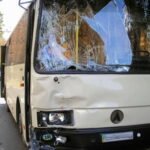
When a driver causes a collision while trying to avoid road debris, liability depends on whether the driver acted reasonably under the circumstances. Swerving to avoid a fallen tire, broken glass, or cargo in the road may be understandable, but the driver could still be held responsible if the maneuver was unnecessarily dangerous. In other cases, the driver who dropped the debris or another negligent party may share responsibility for the crash.
Austin, Texas, is a growing metropolitan area with busy roadways, including Interstate 35, MoPac Expressway, and U.S. Highway 183. Heavy traffic, construction zones, and frequent commercial vehicle travel can increase the risk of encountering unexpected road debris. Drivers who suddenly brake or swerve to avoid these hazards may cause collisions that raise questions about negligence and liability.
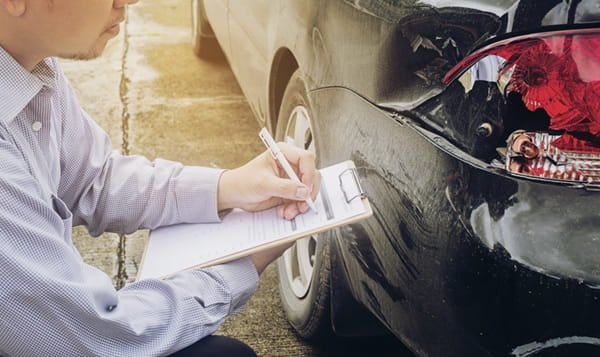
A trusted car accident lawyer in Austin, TX, can help injured people understand their options when responsibility for a collision is disputed. Determining who caused the crash may require reviewing traffic camera footage, witness statements, vehicle damage, and police reports. These details can help establish whether the evasive maneuver was reasonable and whether another party contributed to the accident.
This article explains how liability, Texas law, and evidence affect compensation after a collision caused by avoiding road debris.
Liability Depends on the Driver’s Actions
Drivers are expected to respond reasonably to unexpected road hazards. However, avoiding debris does not automatically excuse every action taken behind the wheel.
For example, a driver who swerves sharply into another lane without checking surrounding traffic may cause a preventable collision. If a safer response was reasonably available, that decision could be considered negligent.
On the other hand, a driver who makes a reasonable emergency maneuver to avoid a large object may have a stronger argument that the situation was unavoidable. Investigators typically examine the speed of the vehicles, traffic conditions, visibility, distance from the debris, and time available to react.
The Party Responsible for the Debris May Also Be Liable
The driver involved in the collision is not necessarily the only party who may bear responsibility. Liability may extend to whoever created the hazard.
Potentially responsible parties include:
- A negligent motorist: A driver who fails to secure furniture, equipment, or other cargo may cause objects to fall onto the roadway.
- A trucking company: Improperly loaded or unsecured cargo may create dangerous road conditions.
- A construction contractor: Poorly managed work areas or improperly secured materials may leave debris in traffic lanes.
- A government agency: In certain circumstances, a public entity may be responsible for failing to address a dangerous road condition, subject to applicable legal requirements.
Evidence must establish the connection between the hazard, the parties’ actions, and the resulting injuries.
Texas Law Can Affect Compensation
Texas follows a modified comparative responsibility system under Texas Civil Practice and Remedies Code § 33.001. Under this law, an injured person generally cannot recover damages if their percentage of responsibility exceeds 50%.
If the injured person is 50% or less responsible, their compensation may be reduced according to their share of fault. For instance, if someone is awarded $100,000 but found 20% responsible, the recoverable amount would generally be reduced to $80,000.
This rule can become important when insurers argue that a driver’s evasive maneuver contributed to the collision. The facts and available evidence help determine how responsibility should be allocated.
Evidence Can Help Establish What Happened
After a debris-related collision, gathering reliable evidence can help clarify the sequence of events. If it is safe to do so, drivers should photograph the debris, vehicle damage, road conditions, and relevant traffic signs.
Other useful evidence may include witness statements, dashcam footage, police reports, and nearby surveillance recordings. Medical records can also connect injuries to the crash and document the treatment required.
Drivers should report the accident when required, seek medical attention for injuries, and avoid making assumptions about fault before the circumstances are investigated.
Key Summary
- Avoiding road debris does not automatically excuse a driver from liability.
- Fault depends on whether the driver’s response was reasonable under the circumstances.
- The person or company responsible for creating the hazard may also be liable.
- Texas comparative responsibility rules can reduce or prevent compensation depending on the injured person’s share of fault.
- Photos, witness accounts, video footage, and medical records can help support an injury claim.