Chris Hansen built his public reputation by confronting suspected online child predators in NBC’s To Catch a Predator investigations. More than two decades after the franchise began, that work became the inspiration for Primetime, a dramatic feature from A24 starring Robert Pattinson as a version of Hansen. But the film’s release created a dispute between the journalist and the studio over what the production presented as fact, how it depicted him and whether he should have been consulted.
The disagreement sharpened in August 2026 when Hansen arrived for a preview at A24’s New York offices and refused to sign the proposed nondisclosure agreement. He left without watching the movie and later questioned the studio’s use of his name, image and likeness. By early October he had finally seen Primetime and was publicly discussing possible legal options. Available reporting does not establish that he had filed a lawsuit against A24 as of October 23.
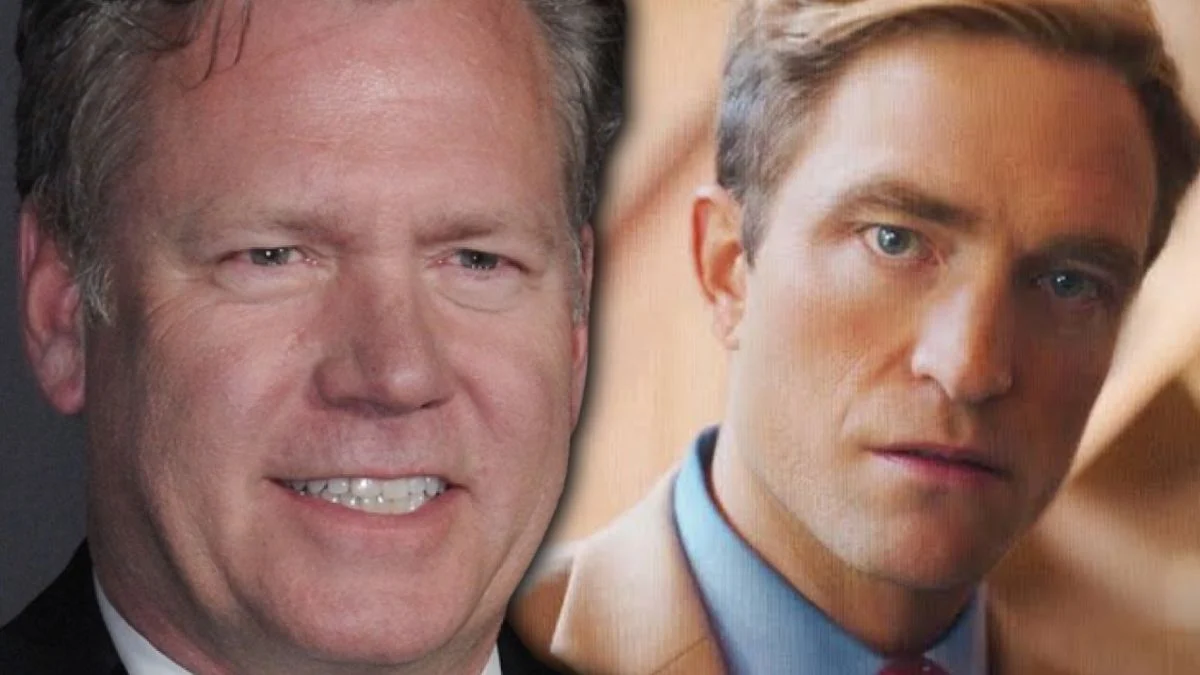
How the Chris Hansen A24 Film Dispute Started
Primetime was directed by Lance Oppenheim and drew on reporting about the development and ethics of To Catch a Predator, including an Esquire account of a 2006 Texas sting that ended with the death of assistant district attorney Louis William Conradt Jr. The movie dramatizes a news operation shaped by ratings pressure and moral compromises; the resulting portrayal is not a documentary account of every real incident.
According to reporting based on emails, A24 contacted Hansen in late May 2026 about possible promotional cooperation. Hansen and his team asked to read a script or view the finished film before agreeing. They were concerned that a movie using familiar names and public events could encourage audiences to treat invented dialogue or relationships as established history.
The August Screening and the NDA Disagreement
Hansen arrived for an August 20 screening at A24’s Manhattan offices but declined to sign the nondisclosure agreement presented to him. He said his lawyers believed its terms could restrict his ability to challenge the way his name and brand were used. He therefore left without watching the film and described the experience in interviews.
A person familiar with the production disputed his interpretation, saying the document was a standard prerelease confidentiality agreement aimed at preventing spoilers and safeguarding the studio’s material, not a waiver of publicity or other legal rights. Without the complete agreement and any court interpretation of its wording, those contrasting accounts should be identified as the parties’ positions rather than an established finding.
Why Hansen Objects to the Story Told in Primetime
Hansen’s objections focus on artistic invention presented against the background of real people and events. In an October 2 Variety interview, he said the film was largely fictional and disputed portrayals of his workplace relationships and the motivations behind the original investigations. He particularly objected to suggestions that producers had manipulated a dangerous operation principally for ratings.
The film’s use of the Conradt case makes the disagreement unusually sensitive. The real investigation and its tragic ending have long prompted debate over police cooperation with television crews, journalistic methods and the treatment of suspects. Hansen rejects the movie’s implied narrative about his team’s conduct. The studio’s film remains a fictional dramatization, however, and a character’s behavior on screen should not automatically be presented as a verified statement about Hansen’s actual actions.
What A24 Said About Consultation and Permission
In correspondence quoted by the Los Angeles Times, A24 told Hansen’s representatives that the production did not require individual consultation or permission, although it was interested in his support. A24 representatives declined fuller comment to that publication. The studio’s position reflects the general legal distinction between dramatizing matters of public interest and making a false actionable factual claim about a living person.
American law often permits expressive works to portray real public figures without obtaining prior consent, especially when the subject is newsworthy. But disputes may still arise over defamation, false implications, advertising use or other specific legal theories. The existence of a recognizable character alone does not settle whether a particular claim could succeed.
Film Release, Public Reaction and Hansen’s Response
Primetime premiered at the Venice Film Festival in September 2026 and opened in U.S. theaters later that month. Robert Pattinson’s performance brought renewed attention to the older NBC series, the Texas investigation and Hansen’s current work. The publicity also provided a platform for sharply different views on whether the movie fairly explored media ethics or unfairly distorted real people.
Hansen’s company arranged advertisements for his TruBlu streaming platform to run before the A24 feature at some theaters. The campaign directed viewers toward his current Takedown investigations. Rather than seeking an immediate financial payout, Hansen said publicly that he wanted clearer labeling of fictional material and consideration of support for organizations serving victims of child predators.
Is There a Chris Hansen Lawsuit Against A24?
As of the latest reporting reviewed through October 23, 2026, the dispute had not produced a verified filed lawsuit by Hansen against A24 over Primetime. In early October he said he was considering legal action and had discussed the matter with advisers, but a threatened or contemplated claim is different from a case accepted by a court.
The dispute remains an example of the tension between a filmmaker’s freedom to interpret public events and a living subject’s interest in reputation and historical accuracy. Any later court filing would need to be evaluated on its actual allegations and procedural status, rather than inferred from statements made during publicity interviews.
Frequently Asked Questions
Q. Did Chris Hansen sue A24 over Primetime by October 23, 2026?
I found no verified court filing establishing that he had. Hansen publicly discussed possible legal action but that is not the same as filing a complaint.
Q. Did Hansen eventually see the movie?
Yes. After leaving the August preview without watching, he discussed the completed film in a Variety interview published October 2, 2026.
Q. Did A24 say Hansen had to approve the film?
No. In reported correspondence, A24 said individual consultation or permission was not required for the production.