The first-year bills after a spinal cord injury are only a fraction of what the injury will cost over a lifetime.
Families tend to focus on surgery and rehab in the first months. The larger expenses arrive later and keep arriving, from equipment and home changes to years of attendant care, which is why planning has to start early.
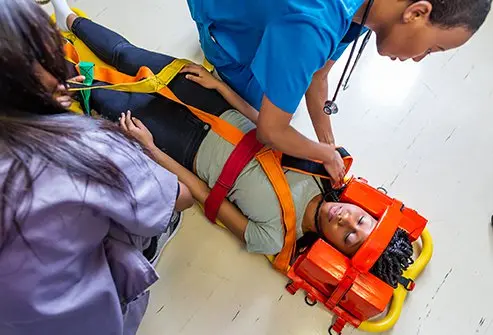
This guide covers:
- What national data says about lifetime costs
- The expenses those figures don’t capture
- How Ohio law treats damages for permanent injuries
- Steps that protect a family’s finances
What Drives Lifetime Costs
Lifetime cost estimates start with the level and severity of the injury. The National Spinal Cord Injury Statistical Center publishes estimates in its annual data sheet, based on an economic study updated to current dollars, and the gap between injury levels is wide. Age at injury matters too, because a younger person faces more years of care. Those estimates also count only health care and living expenses tied directly to the injury.
Planning is harder when the injury came from someone else’s carelessness, since the claim has to account for decades of needs. Families in the Youngstown area can look into why Anzellotti, Sperling, Pazol & Small offers free Ohio spinal cord injury consultations before an insurer’s early offer sets the tone.
What the Estimates Leave Out
Even large published figures understate the full picture. The data sheet itself notes that its estimates exclude indirect costs such as lost wages, fringe benefits, and productivity. The same sheet puts those indirect costs at about $97,787 a year, more than the yearly care costs for some injury levels.
Other expenses often surface only after discharge:
- Home modifications such as ramps, wider doors, and accessible bathrooms
- Vehicle adaptations or accessible transportation
- Replacement wheelchairs and medical equipment over time
- Paid attendant care and respite for family caregivers
- Treatment for later complications
A life care plan, usually prepared with medical and rehabilitation experts, puts numbers on these future needs so they can be presented in a claim. Families weighing that step often speak with an Ohio injury firm that charges no fee unless it recovers compensation, which removes the upfront cost of getting started.
The Figures, and How Ohio Law Treats Permanent Injuries
According to the 2026 data sheet from the National Spinal Cord Injury Statistical Center, average first-year expenses in 2025 dollars run from about $472,000 for motor functional injuries to about $1.45 million for high tetraplegia. Estimated lifetime costs, discounted at 2 percent, for someone injured at 25 range from about $2.1 million to $6.4 million.
| Injury level | First year | Each later year | Lifetime, injured at 25 |
|---|---|---|---|
| High tetraplegia (C1 to C4, AIS A to C) | $1,446,827 | $251,246 | $6,419,617 |
| Low tetraplegia (C5 to C8, AIS A to C) | $1,045,459 | $154,128 | $4,690,573 |
| Paraplegia (AIS A to C) | $705,131 | $93,409 | $3,139,165 |
| Motor functional at any level (AIS D) | $472,190 | $57,353 | $2,144,693 |
Ohio caps noneconomic damages in most injury cases, but the cap doesn’t apply to permanent and substantial physical deformity, loss of use of a limb, loss of a bodily organ system, or a permanent physical functional injury that permanently prevents a person from caring for themselves and performing life-sustaining activities. Many serious spinal cord injuries fit those categories, though medical malpractice claims follow a separate cap. Most injury claims have a two-year filing window, while medical malpractice claims generally have one year.
The Bottom Line
A spinal cord injury carries costs that stretch across a lifetime, and published estimates don’t include lost income. Documenting future needs early, and knowing how Ohio treats permanent injuries, puts a family in a stronger position.
Key Takeaways
- Keep every receipt, from equipment to mileage for medical visits.
- Ask about a life care plan before evaluating any settlement offer.
- Confirm your filing deadline early, since malpractice claims move faster.
The first year is only the beginning, so a plan that looks decades ahead is worth the effort.
Frequently Asked Questions
What are the long-term consequences of spinal cord injuries?
They can include paralysis, loss of sensation, bladder and bowel changes, breathing problems with higher injuries, chronic pain, pressure sores, and emotional strain. Many people also need ongoing therapy, equipment, and home changes, and their ability to work may change permanently.
What is the life expectancy of a person with a spinal cord injury?
It depends on age at injury and the level and completeness of the injury. Life expectancy is generally lower than for people without a spinal cord injury, and higher injuries tend to have a larger effect. Good long-term care can reduce the risk of complications.
Can people fully recover from a spinal cord injury?
Some people with incomplete injuries regain significant function, especially in the first months of rehabilitation. Complete injuries rarely allow full recovery. Outcomes vary widely from person to person, so early specialist care and realistic planning for long-term needs both matter a great deal.
How long does it take to recover from a C4 and C5 spinal cord injury?
Much of the measurable recovery tends to happen in the first year, though some people keep improving afterward. Because injuries at C4 and C5 can affect the arms, hands, and breathing, many people need long-term assistance, and recovery timelines differ from person to person.
What personality changes are common after a spinal cord injury?
Depression, anxiety, frustration, and changes in self-image are common, especially early on. These are normal reactions to a major life change, and counseling, peer support, and treatment can help. Mood changes can also affect rehabilitation and daily routines, so they deserve prompt attention.