Yes, renting out a garage can be legal in Texas, but a homeowner cannot assume that any garage may lawfully be rented as a residence. The key issues are how the garage will be used, whether it is legally habitable, local zoning and occupancy rules, required permits, and any HOA or deed restrictions.
Is a Garage Automatically a Legal Rental Unit?
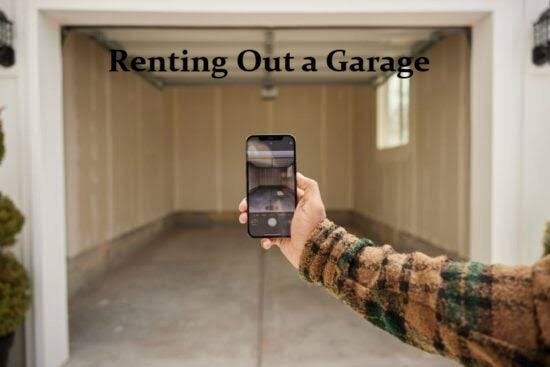
No. A garage designed and approved only for vehicle or storage use may not satisfy the requirements for a residential dwelling. Converting it into a bedroom, apartment, or other rental living space can trigger building, zoning, electrical, plumbing, fire-safety, parking, and occupancy requirements.
For example, Fort Worth requires a building permit when a garage is enclosed for a use other than a garage and notes that a zoning variance may be necessary because the conversion can remove required parking. The city also regulates accessory structures and residential alterations through its permitting system.
Can You Rent a Garage Without Converting It?
The answer depends on what “renting” means. Renting a garage strictly for storage or parking is legally different from renting it to someone as a place to live. If a tenant is given a garage for residential occupancy, the space may need to qualify as a dwelling under applicable building and zoning rules.
Texas Property Code Chapter 92 defines a dwelling as one or more rooms rented for use as a permanent residence under a single lease. Once a garage is being rented as residential space, landlord-tenant laws can apply.
Can a Garage Apartment Be Legal?
Yes. A garage can potentially become a lawful accessory dwelling unit or other residential rental unit if it satisfies the requirements imposed by the applicable city or county. Those requirements can address minimum living standards, utilities, fire safety, parking, setbacks, occupancy, and separate addresses or meters.
Austin, for example, regulates additional dwelling units and states that a structure or portion of a structure meeting its definition of a dwelling unit must comply with regulations concerning zoning, utilities, occupancy, internal access, and addressing.
Does a Rental Garage Need a Permit?
Often, yes, if the garage is being converted or modified for habitation. Fort Worth states that enclosing a garage for a use other than a garage requires a building permit. Austin likewise lists garage conversions among projects for which a residential building permit is required.
Can You Rent a Garage as a Short-Term Rental?
Possibly, but short-term rentals are subject to separate local rules. A garage used for overnight guest lodging may need to qualify as a legal dwelling or accessory dwelling and may require registration or licensing.
Austin currently allows short-term rentals as an accessory use to residential uses when the property has a valid operating license. Fort Worth, by contrast, restricts short-term rentals in specified residential zoning districts.
Therefore, an owner should not assume that a garage that can be rented long-term can automatically be used as a short-term rental.
Do HOA Rules Affect Garage Rentals?
Yes. A homeowners’ association, deed restriction, or private covenant may restrict renting, short-term rentals, additional dwelling units, or changes to a garage.
Austin notes that deed restrictions and private restrictive covenants can limit property use and may be enforceable by the parties identified in those restrictions. A city permit does not necessarily override a valid private restriction.
What Happens If You Rent an Illegal Garage?
If a garage does not satisfy applicable requirements but is rented as living space, the owner may face code-enforcement action, penalties, orders to correct violations, or restrictions on occupancy.
If the tenant is living in a space that legally qualifies as a dwelling, Texas landlord-tenant obligations can also apply, including statutory requirements concerning health and safety, security devices, and smoke alarms.
What Should Property Owners Check?
Before renting a garage, owners should determine whether the space is legally permitted for residential occupancy, review local zoning and building requirements, obtain required permits and inspections, verify parking requirements, check HOA or deed restrictions, and determine whether short-term-rental rules apply.
Conclusion
Renting out a garage is not automatically illegal in Texas, but renting a garage as living space is different from renting it for storage or parking. A garage generally must satisfy applicable requirements before it can lawfully function as a residential rental unit. Local rules are especially important because Texas cities can have different zoning, permitting, occupancy, and short-term-rental regulations.
For a specific property, the owner should confirm the garage’s approved use with the local building and zoning authority before advertising it as a residence.