Yes, renting a room in your house is generally legal in Texas, but the arrangement must comply with applicable landlord-tenant laws, local occupancy and zoning rules, health and safety requirements, and any private restrictions on the property. Texas does not generally prohibit a homeowner from renting a room in an owner-occupied house.
Does Texas Allow Homeowners to Rent Out a Room?
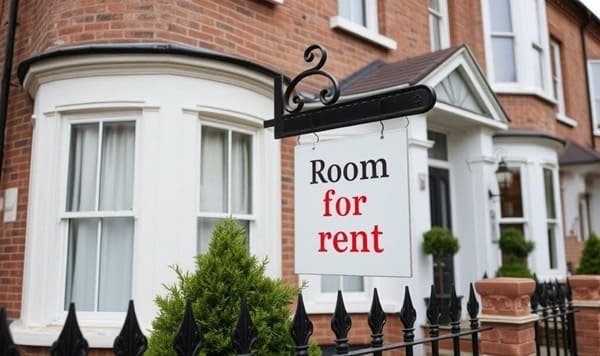
Generally, yes. Texas Property Code Chapter 92 regulates residential tenancies and defines a dwelling as one or more rooms rented for use as a permanent residence under a lease. A lease can be written or oral and establishes the terms governing a tenant’s use and occupancy.
Therefore, renting a bedroom to a tenant can create a landlord-tenant relationship even when the homeowner continues living in the same house. The parties should establish rent, the rental period, common-area access, utilities, and house rules.
Does the Room Have to Be Legally Habitable?
Yes. A homeowner cannot necessarily rent any room simply because it has a bed and a door. The space should comply with applicable building, health, safety, and occupancy requirements.
Local governments may regulate minimum room dimensions, ventilation, emergency exits, smoke alarms, occupancy limits, and other safety conditions. If a homeowner converts an area such as a garage, attic, or basement into a rental bedroom, additional permits or approvals may be required.
Texas Property Code Chapter 92 also imposes landlord duties concerning conditions affecting a tenant’s health or safety.
Can Local Governments Restrict Room Rentals?
Yes. Texas does not create one statewide rule that determines how many unrelated people may live in every house. Cities can establish zoning and property-maintenance rules governing occupancy and residential use.
For example, Austin has changed portions of its land-development regulations concerning unrelated occupants, while continuing to regulate occupancy through property-maintenance requirements based on factors such as bedroom size. The city also regulates boarding houses separately when they meet its definition and occupancy thresholds.
Because local rules vary, a homeowner should check the city or county requirements for the specific property before renting a room.
What If the Rental Is Short-Term?
Short-term rentals are treated differently from ordinary long-term room rentals. A room rented for a few nights or weeks through a platform such as Airbnb may be subject to local short-term-rental licensing, registration, safety, and tax rules.
Austin, for example, defines short-term rentals as residences rented for fewer than 30 consecutive days and requires applicable properties to have a valid city license. Austin also imposes hotel occupancy tax requirements in circumstances covered by its rules.
Local rules vary, so homeowners should verify requirements before advertising a room for short stays.
Do Landlords Have to Follow Texas Rental Laws?
Generally, yes. Once a room is rented as a residential tenancy, Texas landlord-tenant rules can apply. Chapter 92 addresses matters including security devices, landlord repair duties, security deposits, eviction procedures, and other rights and responsibilities.
A homeowner who lives in the property should not assume that sharing a kitchen or bathroom eliminates the tenant’s legal protections. The precise rules can depend on the agreement and circumstances.
Can an HOA Prohibit Renting a Room?
Possibly. Homeowners’ associations and deed restrictions can contain rules affecting leasing, occupancy, short-term rentals, or the number of occupants. These private restrictions are separate from city permitting and zoning requirements.
A homeowner should review the declaration, bylaws, leasing restrictions, and other recorded covenants before renting a room. A city’s willingness to allow a rental does not necessarily override a valid private restriction.
Can You Rent to Multiple Roommates?
Potentially, but increasing the number of unrelated occupants can trigger different local regulations. A homeowner who rents individual rooms to several unrelated people may eventually operate something that a city classifies as a rooming house, boarding house, or similar use.
Austin, for example, requires an operating license for a boarding house that provides lodging with meals to 16 or more unrelated individuals. Other municipalities may use different definitions and thresholds.
What Should Homeowners Do Before Renting?
Before renting a room, homeowners should verify local zoning and occupancy rules, confirm that the room is legally habitable, review HOA or deed restrictions, prepare a written rental agreement, understand Texas landlord-tenant duties, and determine whether short-term-rental or tax requirements apply.
Conclusion
Renting a room in your house is generally legal in Texas, but the arrangement is not free from regulation. A homeowner must consider state landlord-tenant law as well as local occupancy, zoning, building, safety, and short-term-rental requirements. Private HOA or deed restrictions can create additional limitations.
Checking the relevant city or county rules before accepting rent can help prevent code violations and disputes.