Yes. A private individual can generally sell a firearm to another eligible Texas resident without conducting a background check, provided the transaction complies with federal and Texas law. Texas does not generally require a background check for every private, same-state firearm transfer. However, sellers cannot knowingly transfer firearms to prohibited persons, and additional rules apply to interstate transactions and certain circumstances.
Is a Background Check Required for Private Gun Sales in Texas?
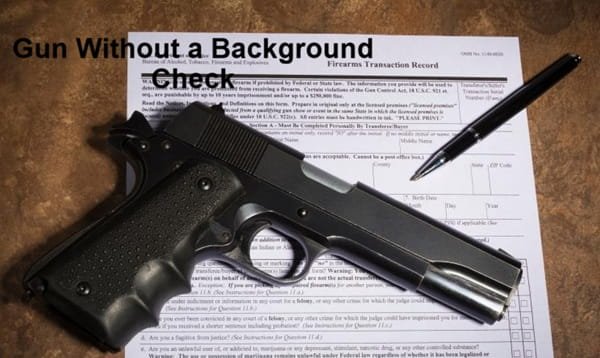
Generally, no. Federal law distinguishes between transfers conducted by federally licensed firearms dealers and transactions between unlicensed individuals. According to the Bureau of Alcohol, Tobacco, Firearms and Explosives (ATF), when two unlicensed individuals who reside in the same state conduct a firearm transaction, federal law does not require an FFL to facilitate the transfer or require the parties to conduct a background check.
Texas likewise does not impose a general requirement that every private firearm sale between eligible Texas residents go through a licensed dealer.
This means a qualifying private seller may generally transfer a lawfully owned firearm to another Texas resident without using an FFL, assuming the seller has no reason to believe the buyer is legally prohibited from receiving or possessing the firearm.
Who Cannot Legally Receive a Firearm?
The absence of a required background check does not mean that anyone can legally purchase a firearm. Federal law prohibits certain people from receiving or possessing firearms. These restrictions include individuals who fall into specified prohibited categories under federal law.
Federal law also prohibits an unlicensed seller from transferring a firearm when the seller knows or has reasonable cause to believe that the recipient is prohibited from receiving or possessing firearms. Therefore, a private seller cannot lawfully use the lack of a mandatory background check as a reason to ignore obvious legal restrictions.
Texas law imposes additional restrictions on certain firearm transfers. For example, Texas Penal Code Section 46.06 prohibits specified transfers involving handguns and prohibits selling a firearm to certain individuals under circumstances identified by the statute.
What If the Buyer Is From Another State?
This is an important distinction. A private Texas resident generally cannot directly transfer a firearm to an unlicensed resident of another state.
ATF explains that federal law prohibits an unlicensed person from directly transferring a firearm to an unlicensed person who resides in another state. An interstate private transaction generally must instead be completed through an FFL in the recipient’s state, where the applicable federal transfer requirements can be followed.
Therefore, the fact that a firearm is advertised online or sold privately does not eliminate federal interstate-transfer requirements.
Can a Private Seller Voluntarily Use an FFL?
Yes. Although federal law does not generally require an FFL to facilitate a same-state private sale, the parties may voluntarily use a federally licensed dealer.
An FFL can facilitate a private transaction and conduct the applicable background-check process. ATF specifically recognizes this as a lawful option and explains that FFL involvement can help ensure that the prospective purchaser is legally eligible to receive the firearm.
Using an FFL may therefore provide an additional compliance mechanism even when Texas law does not independently require it.
Does Texas Require a Background Check for Every Gun Sale?
No. Texas does not operate a universal background-check requirement covering every private firearm transaction between eligible residents.
However, this should not be confused with purchases from federally licensed dealers. When an FFL transfers a firearm to a nonlicensed individual, federal law generally requires the dealer to conduct a NICS background check unless a specific statutory exception applies.
Thus, the legal requirements can differ substantially depending on whether the seller is a private individual or a federally licensed firearms dealer.
Are Online Private Sales Treated Differently?
Simply advertising a firearm online does not create an exemption from federal law. ATF explains that online advertisements and classified listings may be used by private individuals, but federal law still governs the resulting firearm transaction. An unlicensed seller cannot directly transfer a firearm to an unlicensed out-of-state purchaser merely because the sale was arranged through the internet.
The method used to arrange the transaction does not determine whether the transfer is lawful.
Conclusion
Selling a gun without a background check can be legal in Texas when it is a private, same-state transaction between legally eligible individuals. Texas does not generally require every private firearm sale to involve an FFL or a NICS background check. However, sellers must still comply with federal and state restrictions concerning prohibited persons and unlawful transfers. Interstate private sales generally require an FFL to facilitate the transfer.
Because firearm-transfer laws can carry serious criminal consequences, anyone uncertain about a particular sale should review the current federal and Texas requirements and consult a Texas-licensed attorney about the specific circumstances.