Yes, backyard chicken keeping is generally legal in Texas, but the exact rules depend on the number of chickens, the property’s location, local regulations, and private property restrictions. Texas law protects the ability to keep six or fewer chickens in many circumstances, while municipalities can impose reasonable requirements concerning roosters, breeding, coop placement, and larger flocks. Homeowners’ association (HOA) restrictions can present a separate issue.
Does Texas Law Allow Backyard Chickens?
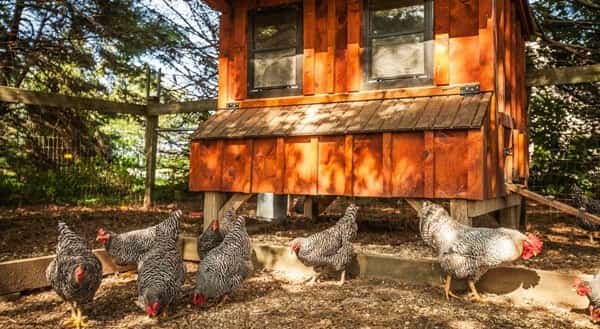
Texas Agriculture Code Section 251.007 generally prevents a political subdivision from imposing a governmental requirement that prohibits an individual from raising or keeping six or fewer chickens within its boundaries. Municipalities may impose reasonable regulations that do not effectively prohibit six or fewer chickens. These can include limits on larger flocks, bans on breeding, restrictions on roosters, and minimum distances between chicken coops and residential structures.
This means a city ordinance cannot simply eliminate the protected right to keep six or fewer chickens. However, compliance with reasonable regulations is still required.
Can a City Regulate Chicken Coops?
Yes. The state protection does not mean a chicken owner can place a coop anywhere or keep chickens without following local standards. Municipalities may establish reasonable requirements relating to coop location, sanitation, containment, and similar concerns.
For example, Killeen permits up to eight hens in residential zoning districts but requires them to be confined to a coop, sets a minimum distance from neighboring habitable structures, prohibits roosters in most residential zones, and requires sanitary conditions. This illustrates why local rules remain important.
Are Roosters Legal in Texas?
A rooster is not automatically illegal statewide. However, Texas law expressly allows municipalities to prohibit the raising or keeping of roosters as a reasonable regulation. Whether you may keep one therefore depends on the applicable local ordinance.
Noise can also create practical legal problems. Even where a rooster is permitted, local nuisance or animal-control rules may address excessive noise, odors, waste, or other conditions affecting neighbors.
Dallas, for example, currently prohibits owning a live rooster within the city except in specified circumstances, including certain agricultural-production areas and other listed exceptions.
Can You Keep More Than Six Chickens?
Yes, potentially. Texas law does not establish six as an absolute statewide maximum. Instead, it protects six or fewer chickens while allowing municipalities to regulate larger numbers.
A city may therefore establish a higher flock limit, zoning requirements, coop standards, or other reasonable conditions. Limits can vary between communities.
Can an HOA Ban Backyard Chickens?
This is a separate question. Texas’s statutory protection for six or fewer chickens does not automatically mean every private HOA restriction is invalid. The 2017 law addressed governmental requirements imposed by political subdivisions, while later proposals sought broader protections involving property owners’ associations.
Texas A&M AgriLife’s Texas Agriculture Law program reported in 2026 that there remains uncertainty about how Texas’s Right to Farm statute could apply to backyard chickens and whether particular chicken-keeping activities qualify as agricultural operations. Homeowners should therefore review their recorded restrictive covenants and HOA rules before acquiring chickens.
Do County Rules Apply?
They can. Rules may differ inside municipalities, unincorporated areas, and properties subject to special zoning restrictions. Property owners should check the rules of the relevant governmental authority before constructing a coop or expanding a flock.
What About Health and Sanitation?
Chicken owners should maintain clean, secure housing and prevent waste, odors, pests, and escaped animals from becoming a nuisance. Local ordinances can address sanitation and containment even when keeping chickens is lawful.
Texas regulations also distinguish small backyard flocks from larger commercial poultry operations, so commercial-scale activities may trigger additional state requirements.
What Should a Texas Homeowner Check?
Before keeping backyard chickens, homeowners should verify:
- The number of chickens permitted.
- Whether roosters are allowed.
- Coop location and setback requirements.
- Fencing or containment rules.
- Sanitation and waste requirements.
- Local zoning or animal-control ordinances.
- HOA covenants and restrictions.
- Applicable nuisance rules.
Checking these requirements before buying chickens can prevent citations, disputes, or costly coop changes.
Conclusion
Backyard chicken keeping is generally legal in Texas, and state law protects the keeping of six or fewer chickens from certain governmental prohibitions. However, that protection does not eliminate reasonable local regulations. Cities may regulate larger flocks, roosters, breeding, coop placement, and related conditions. HOA restrictions can require separate legal analysis.
For a particular Texas property, the answer depends on state law and the rules governing that property. Homeowners should confirm current municipal, county, zoning, and HOA requirements before starting a backyard flock. This article provides general legal information and is not a substitute for advice from a Texas attorney.