Yes, keeping goats in a residential area can be legal in Texas, but there is no single statewide rule that allows or prohibits goats on every residential property. Goats are classified as livestock under Texas law, and the state’s Right to Farm protections can apply to agricultural operations that raise or keep livestock. Local rules concerning animals at large and property use can still affect whether goats may be kept at a particular address.
Are Goats Considered Livestock in Texas?
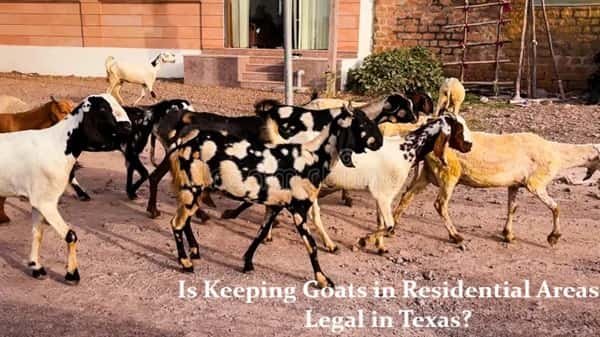
Texas Agriculture Code Section 1.003 expressly includes goats within the definition of “livestock.” This matters because Texas has laws protecting agricultural operations and generally accepted agricultural practices. An agricultural operation can include raising or keeping livestock, so a property owner who keeps goats may potentially receive these protections.
However, being classified as livestock does not automatically mean goats are permitted on every residential lot. The answer can depend on the property, the purpose of keeping the goats, local requirements, and whether the activity qualifies as an agricultural operation.
Can a City Ban Goats?
Texas’s Right to Farm statute limits when a city may impose governmental requirements on an agricultural operation located within city limits. Section 251.0055 generally prevents a city from imposing such a requirement unless specific conditions are satisfied, including clear and convincing evidence that less restrictive measures cannot address the purpose and that the requirement is necessary to protect nearby people or public property from certain imminent dangers.
Texas A&M AgriLife explains that the Right to Farm Act can significantly restrict city regulation of agricultural operations inside municipal boundaries. The statute, however, does not mean every backyard livestock activity automatically receives complete protection.
For residential goat keeping, a property owner may argue that raising goats constitutes an agricultural operation, while a city could dispute whether the particular activity qualifies for statutory protection. The facts can matter.
Can Goats Run Loose in a Neighborhood?
No, owners cannot simply allow goats to roam wherever they want. Texas Local Government Code Section 215.026 specifically authorizes municipalities to prohibit or regulate the running at large of goats and other livestock.
A city ordinance may require goats to remain within an enclosure. If goats escape or wander onto streets or neighboring property in violation of local rules, the owner may face impoundment, penalties, or other consequences authorized by the municipality.
Do Residential Zoning Rules Matter?
They can, although the interaction between zoning rules and Texas agricultural protections can be complicated. The Right to Farm statute defines an agricultural operation broadly enough to include raising or keeping livestock. Section 251.005 states that city requirements apply to agricultural operations within city boundaries only if the requirements comply with Section 251.0055.
Because Texas law in this area has changed in recent years, homeowners should not rely solely on an older city ordinance or a general statement that livestock is prohibited in residential zones. The current ordinance and property circumstances should be reviewed together.
What About HOA or Deed Restrictions?
Private restrictions are a separate issue. A homeowners’ association, deed restriction, lease, or other private covenant may regulate animals or property use even when a government ordinance does not prohibit goats.
Whether a particular restriction is enforceable depends on its wording and circumstances. Anyone purchasing goats on an HOA property should review the covenants first.
Can Neighbors Complain About Goats?
Yes. Lawful ownership does not give an owner unlimited freedom to create conditions that substantially interfere with neighboring property. Goats can create concerns involving odors, noise, waste, insects, escaped animals, or property damage.
Texas’s Right to Farm law provides protections for qualifying agricultural operations, including protections against certain nuisance claims. However, Texas A&M AgriLife notes that the statute does not protect an agricultural operation from enforcement of applicable state or federal laws and does not eliminate every possible legal dispute.
What Should You Check Before Keeping Goats?
Before keeping goats in a residential area, homeowners should check current city and county rules, confirm whether the property lies inside municipal limits, review zoning and animal-control provisions, examine HOA or deed restrictions, and determine whether the goat-keeping activity qualifies as an agricultural operation.
Owners should also maintain secure fencing and prevent goats from entering roads or neighboring properties.
Conclusion
Keeping goats in a residential area is not categorically illegal in Texas. Goats are livestock under state law, and Texas’s Right to Farm framework can provide protections for qualifying agricultural operations. However, municipalities may regulate goats running at large, and the application of local rules to residential livestock can depend on the facts and statutory requirements.
For a specific property, review current local ordinances, Texas Agriculture Code Chapter 251, and private property restrictions. This article provides general legal information and is not a substitute for advice from a Texas attorney.