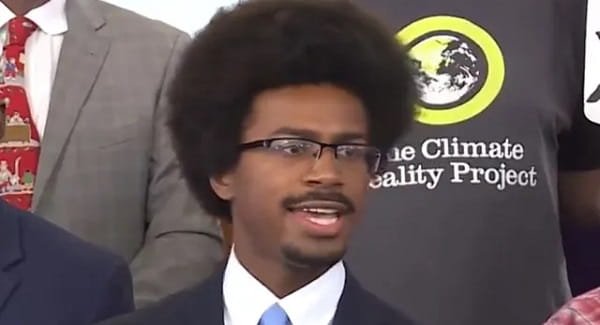
Tennessee lawmaker Justin J. Pearson has become one of the most visible critics of Elon Musk’s xAI data centres near Memphis. However, Pearson has not personally filed the main lawsuit against xAI. The federal case was brought by the national NAACP and the Mississippi State Conference of the NAACP against xAI Corp. and its subsidiary, MZX Tech LLC. Pearson has publicly supported the legal challenge and raised concerns about air pollution affecting communities around the facilities.
What Is the xAI Lawsuit About?
The NAACP filed the lawsuit on April 14, 2026, in the U.S. District Court for the Northern District of Mississippi. The case is titled National Association for the Advancement of Colored People v. X.AI Corp., Case No. 3:26-cv-00074.
The complaint alleges that xAI and MZX Tech operated gas-fired turbines in Southaven, Mississippi, without obtaining air permits required by the federal Clean Air Act. The turbines provide power for Colossus 2, a large data centre supporting xAI’s Grok chatbot and other artificial-intelligence operations.
The NAACP initially identified 27 turbines. Later filings alleged that additional units had been installed or operated. The plaintiffs argue that the collection of turbines functions like a private power plant and should have obtained permits and installed pollution-control equipment before beginning operation.
What Pollution Is Alleged?
The lawsuit states that gas turbines can release nitrogen oxides, fine particulate matter, carbon monoxide and hazardous pollutants such as formaldehyde. The plaintiffs claim these emissions may worsen smog and create health risks for residents of North Mississippi and nearby Memphis communities.
The NAACP argues that historically Black and lower-income communities already exposed to industrial pollution are being asked to carry an unfair share of the environmental burden created by the expanding data-centre industry.
These claims remain allegations. The court has not issued a final ruling establishing that xAI violated the Clean Air Act or caused particular illnesses.
Justin Pearson’s Role
Pearson represents parts of Memphis located near the original Colossus facility. He has appeared at community meetings and press conferences opposing the turbines and has described access to clean air as a basic right.
He also criticised the federal government after the Department of Justice sought to intervene in the lawsuit. Pearson argued that the intervention prevented residents from using environmental laws to challenge powerful corporations. His statements make him a leading political supporter of the case, but not a named plaintiff.
What Does the Federal Government Argue?
In June 2026, the Department of Justice asked the court for permission to intervene and dismiss the lawsuit. The government argued that the Colossus 2 facility supports important economic, national-security and military-related artificial-intelligence operations. It also maintained that Mississippi regulators had determined that the temporary turbines did not require the permits claimed by the plaintiffs.
The NAACP disputes that position. It argues that the Clean Air Act allows citizen groups to bring enforcement lawsuits when companies allegedly operate major pollution sources without permits.
What Is the NAACP Seeking?
The plaintiffs are asking the court to stop the allegedly unlawful turbine operations, require compliance with air-permitting rules and impose appropriate civil penalties.
They also requested a preliminary injunction that could restrict turbine operations while the lawsuit continues. Court records show that an evidentiary hearing on the injunction request was scheduled for August 24, 2026.
Current Status
As of August 6, 2026, the case remains unresolved. No settlement, final judgment or finding of liability has been announced.
The court must consider the NAACP’s request for emergency relief, xAI’s response and the Justice Department’s attempt to intervene. The outcome could affect how federal environmental laws apply to gas-powered electricity systems used by rapidly expanding artificial-intelligence data centres.