After a collision with an 18-wheeler, it is natural to focus on the person behind the wheel. The driver may have been speeding, distracted, fatigued, following too closely, or unable to stop in time.
But commercial trucks do not operate independently. A single trip may involve a motor carrier, vehicle owner, freight broker, maintenance contractor, cargo-loading company, manufacturer, and several insurers. Depending on what caused the crash, responsibility may extend well beyond the driver.
Identifying every potentially responsible party matters because each company controls different evidence and may have a separate insurance policy. It also prevents one defendant from avoiding responsibility by blaming another business involved in the operation.
Here is how liability may be divided after a serious commercial-truck accident in Texas.
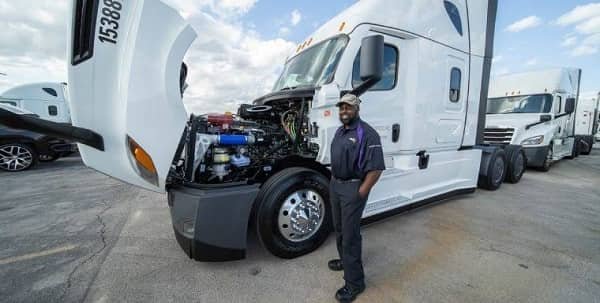
The Truck Driver
The driver is usually the first person investigators examine. Commercial drivers are responsible for operating their vehicles safely, accounting for road and weather conditions, inspecting certain equipment, and complying with applicable driving-time restrictions.
Conduct that may support a negligence claim includes:
- Speeding or driving too fast for conditions
- Following another vehicle too closely
- Unsafe lane changes
- Distracted driving
- Driving while impaired
- Failing to keep a proper lookout
- Continuing to drive while dangerously fatigued
- Failing to inspect the truck or cargo as required
- Ignoring a known mechanical problem
A traffic citation can become relevant evidence, but it does not automatically determine the outcome of a civil case. Investigators may also examine witness statements, photographs, video footage, electronic records, physical damage, and data from the truck.
The Motor Carrier
The trucking company may be responsible for more than the driver’s actions on the road.
Depending on the working relationship and circumstances, a motor carrier may face responsibility for the conduct of a driver acting within the scope of the job. A company may also face direct claims based on its own decisions, such as hiring an unqualified driver, failing to provide appropriate training, retaining a driver with a dangerous history, or pressuring drivers to complete unrealistic schedules.
Motor carriers subject to federal regulations generally must maintain driver qualification information and systematically inspect, repair, and maintain vehicles under their control. The records can help show whether the company knew—or reasonably should have known—about a safety problem before the crash.
Because several businesses may point fingers at one another, a truck accident lawyer in Texas may begin by identifying every company involved in hiring the driver, dispatching the load, owning the tractor or trailer, performing maintenance, and loading the cargo. That broader investigation can reveal whether the wreck resulted from one careless decision or a chain of failures across multiple companies.
The Owner of the Tractor or Trailer
The company whose name appears on the side of the truck is not necessarily the company that owns every piece of equipment.
A motor carrier may lease the tractor, pull a trailer owned by another company, or use equipment supplied through a separate fleet-management business. When equipment ownership and operating control are divided, investigators need to determine who was responsible for inspections, repairs, maintenance, and safety decisions.
For example, the tractor owner may have been responsible for repairing worn brakes, while a different company controlled the trailer and its tires. A failure involving either unit could potentially lead to a claim against the party responsible for maintaining it.
Ownership alone does not automatically establish liability. The relevant questions include who controlled the equipment, who agreed to maintain it, who knew about the defect, and whether the problem contributed to the crash.
A Maintenance or Repair Contractor
Many trucking companies use outside vendors for inspections, tires, brakes, steering components, and other repairs.
A repair shop may become relevant if it:
- Failed to identify an obvious safety defect
- Installed an incorrect or defective component
- Performed a repair improperly
- Returned a truck to service despite an unresolved problem
- Claimed work had been completed when it had not
- Failed to follow accepted procedures or manufacturer instructions
Maintenance cases often require more than reviewing invoices. The damaged components may need to be preserved and examined by a qualified mechanical expert. Investigators may compare the physical evidence with repair orders, inspection reports, technician notes, and parts records.
A maintenance company is not responsible merely because it worked on the truck before the accident. The evidence must connect its work—or failure to perform required work—to the mechanical condition that contributed to the collision.
The Cargo Loader or Shipping Company
Improperly loaded cargo can affect how a commercial truck handles, turns, and stops.
Cargo that is unbalanced, overloaded, or inadequately secured may shift during transit. A sudden shift can contribute to loss of control, rollover, jackknifing, or a trailer swinging into another lane. Cargo can also fall from a trailer and create a direct hazard for nearby drivers.
Responsibility for loading and securing freight varies. In some operations, the driver supervises the process. In others, a shipper, warehouse operator, or specialized loading company seals the trailer before the driver takes possession.
Investigators may review:
- Bills of lading
- Weight tickets
- Loading diagrams
- Warehouse video
- Seal records
- Cargo-securement equipment
- Driver inspection records
- Communications between the shipper and carrier
The question is not simply who physically touched the cargo. It is who had responsibility for loading, inspecting, securing, or warning about the shipment—and whether a failure in that process helped cause the crash.
A Parts or Vehicle Manufacturer
Some truck crashes begin with a defective component rather than negligent driving or poor maintenance.
Potentially defective products may include:
- Tires
- Brakes
- Steering components
- Coupling systems
- Trailer connections
- Wheels
- Lighting systems
- Safety restraints
- Electronic components
A product-liability investigation may examine whether a part was defectively designed, improperly manufactured, or sold without an adequate warning. Investigators must also distinguish a true product defect from ordinary wear, poor maintenance, incorrect installation, or crash-related damage.
That distinction usually requires preservation of the failed component. If a truck, tire, or mechanical part is repaired, destroyed, or discarded before inspection, determining the original cause can become considerably more difficult.
A Freight Broker or Shipper
Freight brokers connect shippers with motor carriers, but the broker’s role varies from one shipment to another.
In some cases, a broker merely arranges transportation. In others, the evidence may show a greater degree of involvement in choosing the carrier, setting expectations, communicating delivery requirements, or influencing how the shipment is handled.
Claims against brokers and shippers can involve complicated questions about control, negligent selection, contractual relationships, and federal preemption. Courts do not necessarily treat every broker-carrier relationship the same way.
For that reason, it is risky to assume that a broker is automatically responsible—or automatically immune—whenever a carrier causes a crash. The contracts, communications, operational conduct, and applicable law all need to be examined.
A Bar, Restaurant, or Other Alcohol Provider
When alcohol impairment contributes to a commercial-vehicle crash, investigators may also ask where the driver obtained the alcohol.
Texas law permits certain claims against alcohol providers in limited circumstances. These cases generally require more than showing that a business served the driver before the collision. The evidence must satisfy specific statutory requirements, including requirements related to the person’s apparent intoxication and the connection between the service of alcohol and the resulting damages.
The availability of a claim depends heavily on the facts, including receipts, video, witness testimony, payment records, and the timing of the driver’s alcohol consumption.
More Than One Party Can Share Responsibility
A truck accident does not need to have a single cause.
A driver may have been traveling too fast while operating a truck with poorly maintained brakes. At the same time, the carrier may have ignored previous inspection reports, and a repair contractor may have failed to correct a known problem.
Texas uses a proportionate-responsibility system in many injury cases. A factfinder may assign percentages of responsibility to multiple people or companies. A claimant’s compensation can be reduced by the claimant’s own percentage of responsibility, and recovery is generally barred when the claimant’s percentage is greater than 50 percent.
This makes early investigation particularly important. Each defendant has an incentive to reduce its own percentage by shifting blame to another party—including the injured person.
Evidence Can Reveal the Full Chain of Responsibility
The evidence needed to evaluate a truck accident may be spread across several companies.
Important records can include:
- Electronic logging-device records
- Driver qualification files
- Dispatch communications
- Inspection and maintenance records
- Repair invoices
- Engine-control-module data
- Dashcam footage
- GPS and telematics information
- Cargo documents
- Weight records
- Drug and alcohol testing records
- Employment and training materials
- Contracts among carriers, brokers, owners, and vendors
Federal hours-of-service regulations limit the driving and on-duty time of many commercial drivers and establish required rest periods. Electronic logs and supporting documents may help determine whether the driver or carrier complied with those rules.
Not every record will prove wrongdoing. Sometimes the documents show that a company followed the rules and had no role in causing the collision. The purpose of the investigation is to determine what happened based on evidence rather than assumptions.
Key Takeaways
The driver may be responsible after a commercial-truck crash, but the investigation should not automatically stop there.
A motor carrier may have made unsafe hiring, training, dispatch, or maintenance decisions. A separate company may have owned the trailer, loaded the cargo, repaired the brakes, manufactured a defective component, or exercised control over another part of the operation.
Determining responsibility requires tracing the truck’s entire journey—from the companies that selected the driver and prepared the vehicle to the businesses that loaded, dispatched, and maintained it.
The more complex the operation, the more important it becomes to identify the complete chain of responsibility before records disappear, equipment is repaired, and the companies involved settle on competing versions of what occurred.