Texans often pride themselves on their energy heritage after all, this is oil-and-gas country. Ironically, even in a state that produces so much energy, electricity bills here can be surprisingly high. A mix of market design, climate stress, fuel volatility, and infrastructure challenges drives up costs. Let’s analyze the major reasons.
1. A Deregulated, “Energy-Only” Power Market
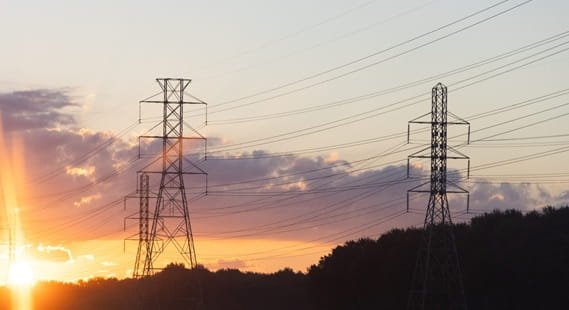
One of the biggest reasons for price volatility and high costs is the structure of Texas’s electricity market. The Electric Reliability Council of Texas (ERCOT) runs a deregulated, energy-only market: power generators are paid only when they produce electricity, not just for being ready to produce.
- Because there’s no guaranteed payment for just being available, power plants need to make most of their money during “scarcity events” — like heatwaves — when demand is high and wholesale prices spike.
- This design incentivizes big price swings. During times of tight supply, wholesale electricity prices in ERCOT can shoot up very high.
These spikes eventually flow through to retail electricity providers (REPs), which then pass higher costs to consumers.
2. Natural Gas Price Volatility
Texas relies heavily on natural gas for electricity generation. When natural gas prices go up — whether because of global demand, pipeline issues, or other supply constraints — power plants’ operating costs increase too.
- Retail providers often reflect these volatile costs in the rates they charge.
- Because so much generation is gas-based, Texans are more exposed to global energy market swings than they might realize.
3. Extreme Weather and High Demand
Texas’s climate plays a big role in electricity costs:
- Summer heat drives massive demand for air conditioning, pushing up peak power consumption.
- Climate change intensifies this, increasing both the frequency and duration of hot spells — meaning more electricity is used for cooling.
- In heatwaves, ERCOT’s reserves can become tight, driving up wholesale prices because supply is under stress.
During demand surges, the cost of “scarce” electricity rises sharply, and that gets passed to consumers.
4. Aging Grid + Infrastructure Upgrades
Texas’s power infrastructure is under pressure. Many parts of its generation, transmission, and distribution systems are aging and need significant maintenance or replacement.
After catastrophic events like Winter Storm Uri in 2021, power companies had to spend heavily to weatherize equipment, upgrade pipelines, and make the grid more resilient. These investments don’t come for free; the cost is often passed on to electricity users.
5. Transmission Costs and Congestion
Building and maintaining the transmission lines that carry power across Texas — especially from remote wind and solar farms — is expensive.
Because some lines get congested (i.e., too much power wants to flow through limited capacity), the grid may need to use more expensive local generators instead of cheaper power from faraway sources. These higher generation costs get reflected in retail electricity bills.
6. Rising Demand from Large Consumers
New, high-demand electricity users — like crypto miners, large data centers, and industrial consumers — are putting additional stress on the grid. As they consume power in bulk, they can drive wholesale prices up, especially during peak demand times.
7. The Impact of Climate Change
Longer-term, climate change is quietly driving up electricity bills in two ways:
- Higher demand: Warmer temperatures mean more air-conditioning use.
- Grid stress: Persistent heat causes chronic load stress, pushing the system to its physical limits more often.
A Texas A&M study estimated that climate change contributed significantly to higher electricity costs — forcing both more consumption and higher per-unit prices.
Conclusion
Electricity in Texas is expensive not because of a single reason, but due to a complex mix of structural market design, fuel cost volatility, climate-driven demand, and infrastructure investment. The deregulated energy-only market that encourages big price swings, coupled with high natural gas dependence and extreme weather, leads to large cost burdens for everyday Texans.
While the state benefits from energy production, that doesn’t always translate into cheap power especially when demand surges, or infrastructure needs hefty upgrades. For many Texans, the high price of electricity is the trade-off for a more flexible, competitive energy system and for a grid built to weather the extremes.