Austin, known today for its booming tech scene, live music culture, and vibrant lifestyle, wasn’t always the obvious choice for Texas’s capital. In fact, its rise to political prominence came through bold decisions, strategic geography, political rivalry and a bit of Texas-style ambition.
So, why exactly is Austin the capital of Texas? To understand the answer, we need to travel back to the era of the Texas Republic.
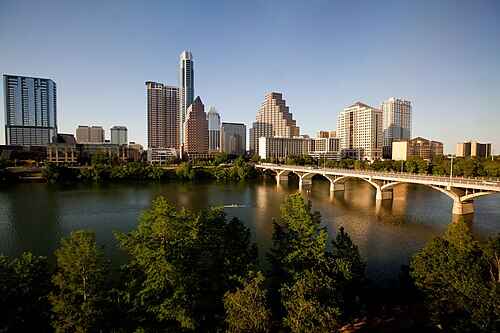
1. A New Capital for a New Republic
After winning independence from Mexico in 1836, the Republic of Texas initially placed its capital in Houston. But President Mirabeau B. Lamar, who succeeded Sam Houston, had a different vision. He wanted a capital that symbolized:
- Texas’s territorial expansion ambitions
- A fresh identity separate from old power centers
- A centrally located seat of government
He set his eyes on a small settlement near the Colorado River called Waterloo—remote, wild, and sparsely populated. Yet Lamar believed it sat in the heart of future Texas growth.
In 1839, Waterloo was renamed Austin, in honor of Stephen F. Austin, the “Father of Texas.” Shortly after, Lamar declared Austin the new capital.
2. A Strategic Geographic Choice
Austin was chosen because it sat near the geographical center of what Texas leaders believed the republic should one day become—a vast area stretching all the way to modern-day Wyoming. Lamar and his supporters wanted:
- A capital positioned for western expansion
- Access to fertile lands and river transportation
- A safe buffer from conflicts near the coast
Though still frontier territory with occasional threats from native tribes, leaders saw Austin as a forward-looking location that served long-term goals.
3. Political Tug-of-War: Austin vs. Houston
Not everyone was happy. Sam Houston a national hero and Lamar’s political rival strongly opposed the move. He favored Houston or another coastal city where government buildings and commerce already existed. He argued that Austin was too vulnerable and isolated.
When Houston returned to power as president, he moved the government back to Washington-on-the-Brazos in 1842, especially after tensions with Mexico increased. But the people of Austin resisted, famously blocking officials from removing government archives during what became known as the Archives War.
This conflict showed one thing clearly:
- Austinites were fiercely determined to remain the Texas capital.
Their resolve would help cement Austin’s status permanently.
4. Statehood Cemented Austin’s Role
When Texas joined the United States in 1845, one of the first statewide elections allowed Texans to vote on their capital.
The top contenders were:
- Austin
- Houston
- Waco
- Huntsville
The public spoke loudly: Austin would stay the capital.
From then on, Austin continued to grow constructing a grand Capitol building in the 1880s and developing into the political and cultural center Texans know today.
5. A Symbol of Texas Identity
Over the decades, Austin’s role expanded beyond government. It became:
- A hub of higher education with the University of Texas (opened 1883)
- A center for creativity, music, and local culture
- The tech capital of Texas, now nicknamed “Silicon Hills”
Its quirky blend of politics, innovation, and independence reflects Texas’s own personality bold, unique, and forward-thinking.
6. A Capital Built on Purpose and Passion
Unlike many state capitals that were chosen for convenience, Austin’s status was won through:
✔ Visionary leadership
✔ A desire for territorial expansion
✔ Fierce local pride
✔ A democratic vote by the people
✔ Long-term strategic planning
Austin may have started as a small frontier village, but over time, it proved worthy of its title.
Conclusion
Austin became and remains the capital of Texas because it represented the future. Its founders believed the state would grow into the western frontier, and they wanted a capital at its center. Despite political challenges and geographic risks, Austin’s community fought to keep its role, and Texans ultimately chose it through democratic decision.
Today, Austin is not just the political heart of Texas it’s a thriving symbol of the state’s independent spirit, innovation, and cultural vibrancy.