Rear end collisions make up one of the most common crash types on California freeways, and most drivers assume the car in back automatically bears all the blame. That assumption is usually correct but not always true, since California courts recognize exceptions when the front driver’s own actions contributed to the crash. Sorting out which exception applies is exactly the kind of evidence based question a trained personal injury attorney evaluates, since the presumption of rear driver fault can shift once brake light function, sudden lane changes, or mechanical failure enter the picture.
This article explains how California courts generally assign fault in rear end collisions. Plus, the situations where the usual presumption does not apply.
The General Presumption of Following Driver Fault
California follows a legal principle sometimes called the assured clear distance rule, which expects drivers to leave enough space to stop safely for the vehicle ahead. Interstate 8 near San Diego recorded 76 crashes in 2024 alone near one interchange, with 40 percent involving unsafe lane changes, according to Allstate’s 2024 dangerous roads ranking. From a court’s perspective, a rear ending driver is presumed negligent for following too closely unless clear evidence shows otherwise.
When Sudden Stops Shift Some Fault Forward
If the front driver stopped suddenly without a valid safety reason, such as braking because of a distraction rather than an actual road hazard, some fault can shift toward that driver. California’s pure comparative negligence system, in place since the 1975 Li v. Yellow Cab decision, allows responsibility to be divided among multiple parties rather than assigned entirely to one driver. Dashcam footage can be particularly valuable in these disputes because it may show the traffic conditions, the reason for the sudden stop, and how much time the following driver had to react.
Broken or Malfunctioning Brake Lights
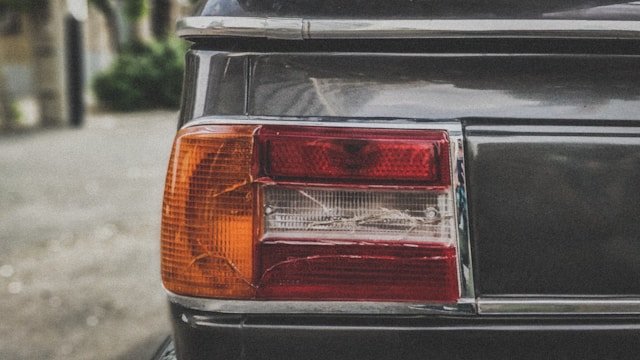
A front driver with non functioning brake lights removes the rear driver’s ability to anticipate a stop in time. California Vehicle Code section 24603 requires brake lights to be in working order, and a violation can shift a meaningful percentage of fault onto the front vehicle. Noticing whether brake lights illuminated before impact is one of the most useful details to include in any statement to police.
Multi Vehicle Chain Reaction Crashes
When three or more vehicles are involved in a chain reaction rear end crash, fault often gets distributed across multiple drivers based on following distance and reaction time for each vehicle in the chain. Los Angeles County had 7,777,406 registered vehicles as of 2023, according to state DMV data, creating constant exposure to these multi car pileups on congested freeways. From a personal injury attorney’s input, chain reaction crashes require careful reconstruction of exactly which impact caused which specific injury.
Lane Changes Immediately Before the Stop
If the front vehicle cuts into the lane immediately before braking, leaving the following driver no reasonable time to react, this can also shift fault. Unsafe lane changes remain one of the most frequently cited contributing factors in California freeway crash reports. Family members watching an insurance company try to assign full blame to a driver who had no real chance to react is one of the more frustrating parts of these disputes.
Rear Impacts Caused by a Third Vehicle
Sometimes the rear driver is pushed into the front vehicle by a third car, meaning the rear driver did not actually cause the initial contact. These cases require careful evidence gathering to establish the true sequence of impacts. The treating physician says that understanding the exact mechanism of a collision can matter for connecting specific injuries to specific impacts within the same crash.
Documenting the Scene to Prove or Rebut the Presumption
Photos of vehicle damage patterns, skid marks, and the final resting position of each vehicle all help establish what actually happened. California Highway Patrol reports for freeway collisions typically become available within two to three weeks. Courts believe that the physical evidence gathered at the scene often matters more in these cases than either driver’s verbal account of the crash.
Weather and Road Conditions as a Contributing Factor
Wet roads, sudden fog, or debris in the roadway can complicate a rear end fault determination, since a following driver may argue that road conditions, rather than following distance, made stopping impossible in time. California courts still generally expect drivers to adjust speed and following distance for known conditions. From a court’s perspective, evidence that a driver failed to slow down despite visibly poor conditions tends to weigh heavily against a claim that weather alone caused the crash.
What California Drivers Should Understand
The rear driver in a California collision usually bears the greater share of fault, but that presumption is not absolute. Brake light failures, unnecessary sudden stops, unsafe lane changes, and multi-vehicle chain reactions can shift some or all of the responsibility elsewhere. Determining what actually happened often requires more than looking at the point of impact. Photos of the vehicles, damage patterns, traffic signals, brake lights, lane positions, witness statements, dashcam footage, and the police report can all help establish how the collision occurred.
The same evidence can become central when an insurance company challenges liability. Adjusters may examine vehicle damage, statements from the drivers, photographs, witness accounts, and the circumstances leading up to the impact when deciding whether their policyholder was responsible. That makes familiarity with the way insurers evaluate collision claims particularly relevant in a disputed rear-end case. Perry Law car accident attorneys serving San Diego, Orange County, and Southern California, brings that experience to its injury practice. Attorney Liam Perry previously litigated on behalf of major insurance companies, giving the firm insight into the defenses and evidence that can arise during liability disputes.
A rear-end crash should therefore not be treated as automatically straightforward simply because one vehicle struck another from behind. Anyone involved in a California rear-end collision should document the scene thoroughly, preserve photographs and video, obtain witness information, and avoid making assumptions about fault before the available evidence has been reviewed.