The minutes right after a crash can shape the rest of a Georgia injury claim. Georgia recorded 367,523 car crashes statewide in 2024, according to the Georgia Governor’s Office of Highway Safety. What drivers do during the first hour can affect the evidence available later and, in some cases, the compensation they may be able to recover.
After a collision, shock and adrenaline can make it difficult to recognize important details. That is why documenting the scene, preserving evidence, and getting appropriate medical care should happen as soon as it is safe to do so.
Photos of the vehicles and roadway, witness contact information, medical records, and the police report can later help establish how the crash happened and support an injury claim. Conn Law, a Georgia based car accident firm, takes a limited caseload and provides direct attorney attention to clients dealing with the aftermath of serious accidents.
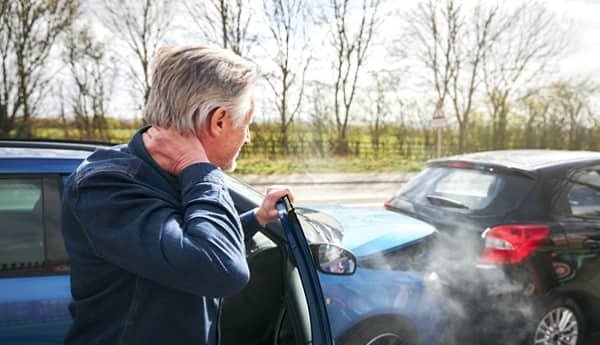
This article outlines the seven steps Georgia drivers should take immediately following a car accident.
Check for Injuries and Call 911
Safety comes first.
Georgia law requires drivers to report crashes involving injury, death, or significant property damage to law enforcement. Call 911 when necessary and tell the responding officers about any injuries, even if they initially seem minor.
Adrenaline can temporarily mask pain after a collision. Some symptoms may not become noticeable until later. Reporting what you feel at the scene also creates an early record that may become important if symptoms worsen after the crash.
Move to a Safe Location if Possible
If the vehicles are drivable and everyone is physically able to move, getting out of active traffic can reduce the risk of another collision.
A driver may be able to move onto the shoulder or into a nearby parking area, depending on the circumstances. Do not attempt to move a vehicle if doing so would put anyone in additional danger.
Georgia’s Move Over law also applies around certain stopped emergency and disabled vehicles. Drivers approaching a crash scene must slow down and, when possible, move over to an adjacent lane.
Once the scene is secure, photos can be taken without unnecessarily exposing anyone to passing traffic.
Exchange Information With the Other Driver
Exchange basic identifying and insurance information with the other driver.
This generally includes:
- Full name
- Phone number
- Driver’s license information
- Insurance company and policy information
- License plate number
- Vehicle make and model
Keep the conversation focused on exchanging information. Avoid arguing about who caused the collision or making statements such as “I’m sorry” that could later be interpreted as an admission of fault.
The full cause of a crash may not be apparent at the scene. Police reports, photographs, witness accounts, traffic evidence, and other records can provide additional information after everyone has left the roadway.
Document the Scene With Photos
Photographs can preserve details that disappear once traffic moves and damaged vehicles are repaired.
If it is safe, photograph:
- Damage to every involved vehicle
- The surrounding roadway
- Lane markings and traffic signs
- Skid marks or debris
- Traffic signals
- Weather and visibility conditions
- Nearby intersections
- Visible injuries
- Any property damage
Distracted driving was a suspected factor in 41 percent of Georgia’s fatal crashes in 2023, according to state highway safety data. If a visible distraction, such as a phone in use, can be safely documented, that information may become relevant to the investigation.
The goal is not to conduct your own accident investigation. It is to preserve the physical details before they change.
Get Contact Information From Witnesses
Independent witnesses can become particularly valuable when the drivers give different accounts of what happened.
Ask witnesses for their names and phone numbers before they leave, provided doing so is safe. Do not pressure them to take sides or tell them what they should say. Simply preserve their contact information and allow them to provide their own account.
A witness who saw the traffic signal, lane movement, vehicle speed, or point of impact may provide information that is not available from photographs alone.
Witness memories can also change over time. Preserving contact information shortly after the collision makes it easier to locate the person if their account becomes relevant to the claim later.
Seek Medical Attention Even for Minor Symptoms
Do not assume you are uninjured simply because you can walk away from the crash.
Some conditions, including whiplash and mild traumatic brain injuries, may not produce obvious symptoms immediately. Pain, dizziness, headaches, stiffness, or other problems can become more noticeable hours or days later.
Georgia recorded more than 727,000 crash-related injuries between 2020 and 2024, according to the Governor’s Office of Highway Safety.
An early medical evaluation serves two purposes. First, it allows a healthcare professional to identify injuries that may not be obvious at the scene. Second, the resulting medical record establishes an early account of the symptoms and treatment associated with the collision.
Continue following the treatment plan provided by your healthcare provider and keep copies of medical records, bills, prescriptions, and other related documentation.
Notify Your Insurance Company Without Admitting Fault
Georgia drivers should notify their insurance company about the collision promptly. However, reporting the accident does not require you to determine who was responsible.
Stick to the facts you know.
Explain when and where the collision occurred, identify the vehicles involved, and provide the information requested by the insurer. Avoid guessing about speed, distance, or another driver’s intentions if you are not certain.
Georgia follows a modified comparative negligence rule under O.C.G.A. § 51-12-33. A person who is 50 percent or more responsible for an injury generally cannot recover damages, while a person found less than 50 percent at fault may have their recovery reduced according to their percentage of responsibility.
That makes early statements particularly important when fault is disputed.
Avoid Posting About the Crash on Social Media
Social media posts can become part of an insurance claim investigation.
Photos, videos, captions, check-ins, and comments may be reviewed for information that contradicts the reported injuries or circumstances of the collision. A picture showing someone participating in an activity, for example, could be interpreted differently from the way the person intended if the post does not provide the full context.
The safest approach is to avoid discussing the accident, injuries, settlement, or legal claim publicly while the matter is being investigated.
Privacy settings also do not guarantee that information will remain inaccessible to an insurer or opposing party.
Why These Steps Matter
The actions taken during the first hours after a Georgia car accident can influence how much evidence remains available when the claim is evaluated.
Vehicles may be repaired or moved. Road conditions can change. Surveillance footage may eventually be overwritten. Witnesses can become difficult to locate, and memories become less precise with time.
Georgia’s modified comparative negligence rule makes accurate documentation particularly important when the percentage of fault is disputed. A case approaching the 50 percent threshold can have significantly different consequences depending on how responsibility is ultimately assigned.
Preserving evidence does not guarantee a particular settlement or outcome. It does, however, give an accident victim a stronger factual foundation for evaluating the claim.
Whether a collision occurs on a rural highway, an interstate, or a busy Savannah intersection, the same basic priorities apply: get to safety, report the crash, document the scene, identify witnesses, seek medical care, notify your insurer, and protect your claim-related information.