California drivers searching for this answer usually want a number, but the honest answer is that no single figure applies to every case. A comprehensive review of more than 950 Los Angeles County cases between 2019 and 2024 found an average recovery near $973,000, with a median of $295,000, according to legal industry case data. That gap between average and median exists because a small number of catastrophic injury cases pull the overall average far higher than what most drivers actually receive.
Settlement figures become more meaningful when compared against a documented case history. The May Firm’s California car accident lawyers have recovered more than $250 million in verdicts and settlements for injured clients across the state, a result documented through the firm’s published case results and recovery records. Those case results provide examples of how injury severity, liability, and the damages claimed can produce substantially different outcomes from one California car accident case to another.
This article breaks down the main factors that shape a California car accident settlement, from the smallest influence to the largest.
Vehicle Damage and the Force of Impact
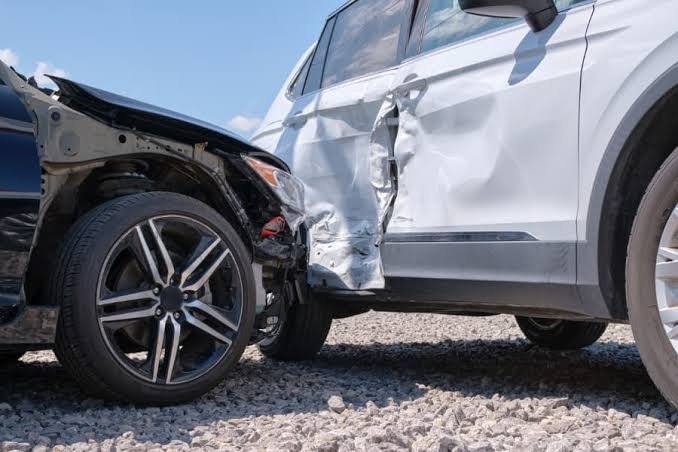
Photos of the vehicles, along with repair estimates, help establish how hard the collision hit. Insurance adjusters may use this evidence to form an early opinion about the severity of the impact before medical records even arrive.
Heavily damaged vehicles can provide additional physical evidence about the force and mechanics of a collision. However, vehicle damage alone does not determine the seriousness of an injury or the value of a claim. Some people sustain significant injuries in crashes that leave relatively little visible vehicle damage, while severe vehicle damage does not automatically establish a particular level of injury.
The Police Report and Citations
An officer’s report often includes a citation, which can provide an early indication of how liability may be assigned later in the claim. California Highway Patrol reports can be particularly relevant in freeway collisions along corridors such as the 405 and the 101.
A documented citation issued at the scene may also become important evidence if liability is disputed. It does not automatically establish civil liability, but it can support other evidence showing how the collision occurred.
Medical Treatment and Documentation
Emergency room visits followed by consistent follow-up care build the medical record supporting a settlement demand.
Medical records connect the collision to the reported injuries, document the treatment received, and provide evidence of how the condition affected the injured person over time. Gaps in treatment can give insurers an opportunity to argue that an injury was less serious or resolved sooner than claimed.
Minor soft tissue injuries in California typically settle between $10,000 and $25,000, while catastrophic injuries have produced verdicts in the tens of millions, according to recent California case data. The wide range illustrates why injury severity and medical documentation carry far more weight than a statewide average.
Lost Wages and Employment Records
California workers who miss shifts during recovery need pay stubs, a written employer statement, and sometimes tax records to fully document lost income.
Self-employed drivers face a higher documentation burden and may need profit-and-loss statements covering the months before and after the crash. These records can establish what the person earned before the accident and how the injury affected their ability to work afterward.
Saving every pay stub and employment record from the weeks surrounding the collision makes the wage-loss calculation far easier once negotiations begin.
Pure Comparative Negligence
California allows an injured driver to recover damages even if they are found up to 99 percent at fault, with the award reduced by that percentage.
This rule, in effect since 1975 under the California Supreme Court decision in Li v. Yellow Cab, is more forgiving than the rules in many other states. A person found 20 percent responsible, for example, could generally recover 80 percent of the damages awarded.
That makes disputed liability an important part of settlement analysis. Even when an injured driver contributed to the collision, comparative negligence does not necessarily eliminate the claim. Instead, the percentage of fault can directly affect the amount ultimately recovered.
Severity of the Injury
A 2024 Los Angeles County jury awarded $4.8 million for a spinal injury caused by a driver running a red light, illustrating how severity can move a case into an entirely different value category.
Catastrophic injuries involving surgery, permanent impairment, or long-term rehabilitation can push settlement value far above cases involving temporary soft tissue injuries.
The difference is not limited to current medical bills. Serious injuries can create future treatment costs, reduced earning capacity, permanent limitations, rehabilitation needs, and significant changes to a person’s daily life.
For families dealing with a serious injury, the progression from an emergency room visit to months or years of treatment can reveal the true scope of damages that may need to be documented.
Total Available Insurance Coverage
California raised its minimum auto liability requirements to $30,000 per person and $60,000 per accident starting January 1, 2025, but many serious injury cases still exceed these limits by a wide margin.
Underinsured motorist coverage can therefore become an important part of determining whether an accident victim can recover compensation closer to the actual value of the claim.
The available coverage across every applicable policy can place a practical limit on recovery. A claim may have strong medical evidence and clear liability, but the amount of insurance available still matters when determining how much compensation can realistically be collected.
That makes reviewing all potentially applicable policies an important part of evaluating a California car accident claim.
The Role of an Experienced Negotiator
Insurance companies employ trained adjusters whose job includes evaluating claims and controlling settlement payouts. An attorney familiar with California personal injury claims can examine the evidence, identify weaknesses in an insurer’s position, and determine whether an initial offer adequately reflects the documented damages.
Experience becomes particularly relevant when liability is disputed, injuries are serious, or the available insurance coverage is complicated.
The quality of the claim presentation also matters. Medical records, wage documentation, accident evidence, expert opinions, and a clear explanation of future damages can give an insurer a more complete basis for evaluating the claim.
An experienced negotiator can use that evidence to identify when an initial settlement offer falls short of the damages supported by the case.
What California Drivers Should Take Away
There is no single average settlement figure that applies statewide. Case value depends on a layered combination of fault percentage, injury severity, documented wage loss, medical expenses, future damages, and available insurance coverage.
Settlements can range from a few thousand dollars for minor injuries to eight-figure verdicts for catastrophic harm. The gap between a fair result and a lowball offer often comes down to how thoroughly the evidence was gathered and developed from the earliest days after the crash.
Anyone injured in a California car accident benefits from documenting medical treatment, lost income, vehicle damage, and other losses before engaging directly with an insurance adjuster.
California’s freeway network carries millions of daily drivers across Los Angeles, San Diego, the Inland Empire, and the Central Coast. As a result, the same core factors, including liability, injury severity, financial losses, documentation, and insurance coverage, continue to shape how individual accident claims are valued.