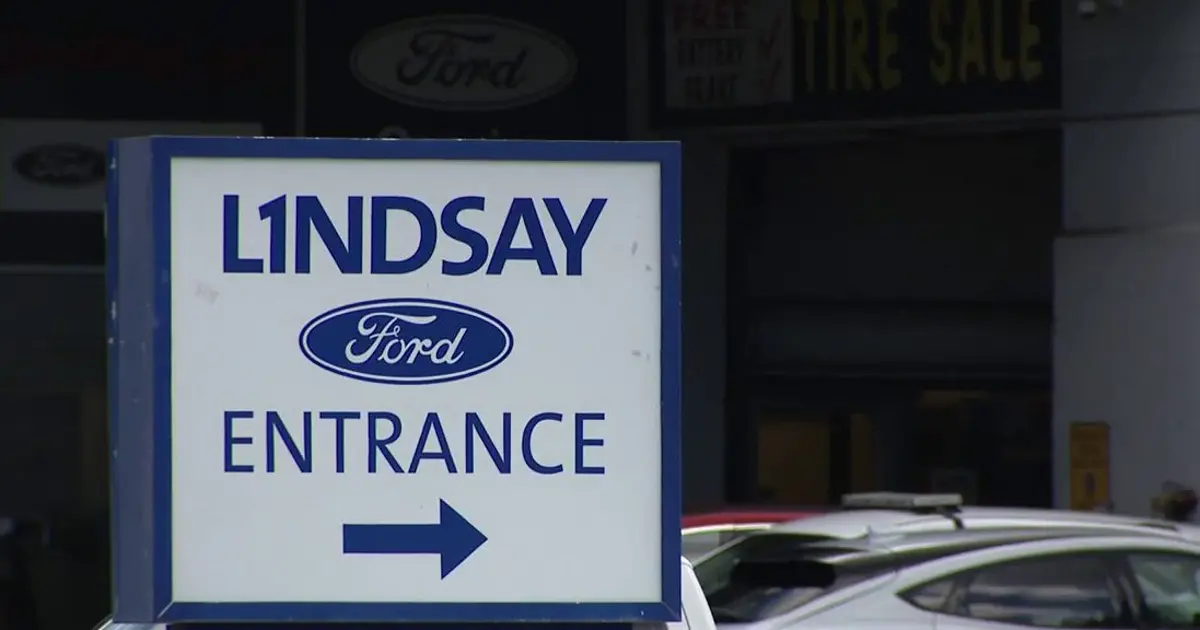
A major automotive consumer settlement is moving into the refund stage in the United States. The Federal Trade Commission and the Maryland Attorney General reached a settlement with Lindsay Automotive Group and several related dealerships and executives over allegations involving misleading vehicle prices, financing representations, and unwanted add-on products. More than $75 million in charges paid by consumers may be eligible for refunds, although the final amount that will actually be refunded depends on eligible claims.
Why Was Lindsay Automotive Sued?
The FTC and Maryland Attorney General filed their joint complaint in December 2024. The agencies alleged that Lindsay dealerships advertised vehicles at low prices but often charged customers hundreds or thousands of dollars more when they arrived to complete a purchase or lease. According to the complaint, advertised prices sometimes included rebates that many consumers could not realistically qualify for.
The agencies also alleged that some consumers were told they needed to use dealership financing to receive an advertised price, even when they already had outside financing. Another part of the case involved add-on products such as service plans, tire and rim protection, paint protection, maintenance plans, and guaranteed asset protection, commonly known as GAP insurance. Regulators alleged that some consumers were charged for products they did not agree to purchase or were told were required.
How Much Is the Lindsay Automotive Settlement?
The settlement does not create a simple $75 million cash fund to be divided equally among customers. Instead, regulators said that more than $75 million in consumer charges may qualify for refunds. The amount ultimately returned will depend on the number of eligible consumers, their individual transactions, and the claims that are properly submitted.
Separately, the Lindsay defendants agreed to pay a $3.1 million civil penalty to the Maryland Attorney General’s Office. That penalty is different from the consumer refund amounts.
Who May Be Eligible for a Refund?
The settlement covers transactions involving Lindsay Ford of Wheaton, Maryland; Lindsay Chevrolet in Woodbridge, Virginia; and Lindsay Chrysler-Dodge-Jeep-Ram in Manassas, Virginia.
Consumers may be able to seek a refund for the difference between an advertised vehicle price they saw before the transaction and the higher purchase or lease price they were charged. The settlement addresses qualifying transactions from April 1, 2020, through December 31, 2025. The order contains specific eligibility rules, including rules for Maryland residents who purchased from the Virginia dealerships.
Customers of Lindsay Ford may also be eligible to recover amounts paid for certain add-on products or services if they did not knowingly agree to buy them or believed the products were required as part of the vehicle transaction.
Lindsay Automotive Refund Claims Process
The refund process is now underway. On August 3, 2026, the Maryland Attorney General announced that eligible consumers should expect to receive claim forms in the mail from Rust Consulting, the third-party claims administrator handling the matter.
Consumers have 180 days from the date their claim form was mailed to submit a claim. Because the deadline depends on the mailing date of each notice, recipients should read their documents carefully and return the completed form within the stated period.
Consumers who believe they may qualify should not ignore mail relating to the settlement. The Attorney General has advised affected buyers to check their mail carefully. Questions about eligibility or the claims process can be directed to Rust Consulting at 1-833-472-1989 or to the Maryland Consumer Protection Division at 410-576-6456.
What Changes Must Lindsay Dealerships Make?
The settlement also imposes requirements intended to change how vehicle prices and optional charges are presented. Lindsay must clearly disclose the total price a consumer is required to pay for a vehicle, excluding required government charges. The dealerships are also restricted from making misleading statements about advertised prices, financing requirements, fees, taxes, optional products, or whether a consumer authorized a charge.
In addition, the dealerships must obtain a consumer’s express, informed consent before charging for vehicle-related products, services, or fees.
What Consumers Should Do Now
Anyone who receives a Lindsay Automotive settlement notice should review the transaction information on the claim form and respond before the deadline. Consumers should keep a copy of the completed claim and any supporting purchase, lease, financing, or add-on documents they still have.
The settlement is important because refund amounts are tied to what individual consumers were allegedly overcharged rather than being distributed as the same flat payment to every claimant. Eligible buyers could therefore receive significantly different refund amounts depending on their transaction. Consumers should rely on the official claim notice and claims administrator for their individual eligibility and payment information.