If you drive in Texas and want to add LED underglow to your car, truck, or bike in 2025, the law does allow it — just not in every color and not in every direction. Texas lets drivers install aftermarket lighting as long as it doesn’t imitate emergency vehicles, distract other drivers, or project banned colors in the wrong places. The rules can feel confusing, so it’s important to know exactly which colors are allowed, how the lights must be positioned, and what penalties you may face if you get it wrong.
What Texas Law Says Right Now
Texas Transportation Code Chapters 547.305 and 547.324 control auxiliary lighting.
Here’s the simple breakdown:
Colors You Can’t Use
- Red facing the front of the vehicle — this is illegal for civilian cars.
- Blue or blue-and-red combinations visible from any angle — reserved for emergency vehicles.
- Flashing, rotating, or strobing lights — also restricted to emergency or special-use vehicles.
Colors You Can Use
Texas law does not forbid most colors for decorative, downward-facing underglow. That means the following are generally allowed if the lights face down and do not shine outward like headlights or tail lights:
- Amber/Yellow
- White
- Green
- Purple
- Pink
- Orange
Important Clarification (Your Update Included):
White underglow is not automatically illegal. The real rule is that white light cannot shine backwards in a way that looks like a reversing light.
A downward-facing white LED strip that only lights the road beneath the car is usually compliant.
Placement Rules That Matter
To stay legal in Texas:
- Lights must be downward-facing, illuminating the ground only.
- They cannot project light forward like headlights, backward like tail lights, or sideways where they appear to be signaling.
- They must not cast a pattern or intensity that blinds or distracts other drivers.
If an officer can see the LEDs directly from any normal driving position, they may claim the lights are “projecting” rather than “accenting.” That’s where most drivers get cited.
How These Rules Apply to Cars vs. Motorcycles
Texas gives motorcycles a bit more flexibility.
Motorcycles
- Allowed colors for underglow: white or amber only
- Lights must be non-flashing
- Must be used only to enhance visibility, not to decorate
This tells us something important: white and amber are the safest, most officer-friendly colors even for cars, because they are the only colors explicitly permitted in the motorcycle statute.
Cars/Trucks
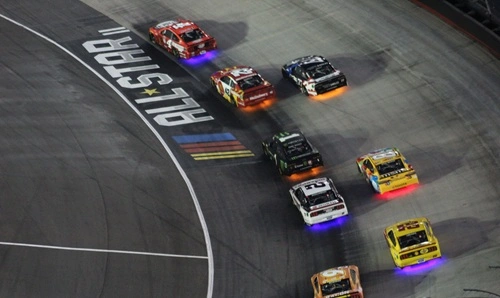
You can use more colors (green, pink, purple, etc.) if the light is downward-facing, but those colors attract more attention from law enforcement. Officers may still stop you if they believe the lights are distracting or misused.
Why Drivers Get Pulled Over Even When They Think They’re Legal
Texas officers have wide discretion under §547 to stop cars for:
- “distracting lights”
- “improper auxiliary lighting”
- violating color-position rules
This means even legal underglow can lead to a stop if:
- The color is unusual (like purple, pink, or bright green),
- The LEDs are too bright,
- The strips are directly visible,
- Or the lights look like emergency lighting in any way.
Your safest setup:
- Amber or white, dimmed, downward-facing, hidden LED strips.
Penalties for Illegal Underglow (Your Update Added Here)
If your underglow violates Texas law, the usual penalty is:
- Class C misdemeanor,
- Fine up to $200, plus court fees,
- and you may be ordered to repair or remove the illegal lighting.
If the lights imitate emergency-vehicle colors or patterns, you may face more serious charges.
Practical Advice for Texans Installing Underglow
- Choose safer colors: white or amber.
- Hide the LED strips so the bulbs are not visible.
- Keep brightness modest — don’t overpower headlights.
- Avoid exotic colors for daily driving. Save them for shows.
- Never use blinking, scanning, or strobe patterns on public roads.
If you want to enjoy underglow without getting pulled over, staying subtle is key.
Final Take
In Texas, underglow is legal, but only if you use the right colors and aim the lights correctly. Red facing forward, blue anywhere, or any flashing pattern will get you pulled over immediately. White and amber are the safest choices, and your lights must shine downward — not forward, backward, or sideways. If you follow these rules, you can enjoy underglow legally without drawing unwanted attention or risking a Class C misdemeanor.