If you ride a motorcycle in Texas and wonder whether you’re allowed to “lane-filter” — that is, ride between lanes of traffic moving in the same direction or pass vehicles by riding between lanes — the clear answer is: no, lane-filtering (and lane-splitting) is not legal in Texas. However, the legal landscape has evolved in recent years, and motorcyclists should know the rules, risks and prospects for change.
What the Law Says Right Now?
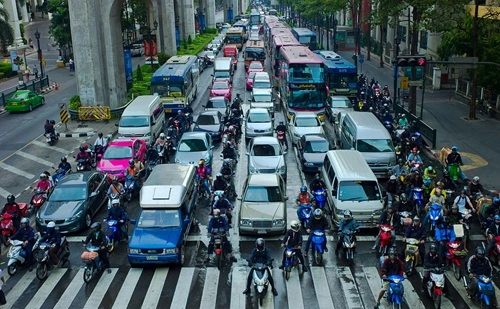
Texas’s traffic statutes require all vehicles — including motorcycles — to remain in a single traffic lane unless switching lanes legally. For example, under Texas Transportation Code § 545.060 the driver must remain in a lane and may not move from one lane to another unless the movement can be made safely and with signal.
Legally speaking:
- As of 2025, Texas has not adopted a law legalizing lane filtering or splitting.
- Some blog/legal-firm sources state a new law (HB 4122) in 2023 explicitly banned lane splitting in Texas.
- The practice is treated as a traffic violation in many places, though the exact fine, enforcement and term vary by city/county.
In short: when you ride in Texas, you must stay within your lane and you cannot ride between lanes of moving or stopped vehicles in traffic with the expectation of overtaking or bypassing people.
What Motorcyclists Can & Cannot Do?
What is allowed
- You can ride your motorcycle within a single marked lane, just as other vehicles must. The law doesn’t give motorcycles special rights to weave between cars.
- Texas does permit two motorcycles to ride side-by-side in a single traffic lane in some cases (“lane sharing”) if it doesn’t impede traffic.
What is prohibited
- Riding your motorcycle between lanes of traffic(i.e., in the seam or separator between two lanes) when traffic is moving or stopped.
- Overtaking vehicles by riding between lanes instead of staying behind or changing lanes properly.
- Using the shoulder or gap between lanes to bypass congested traffic (unless the shoulder use is permitted under separate statute).
If you attempt to filter through stopped or slow traffic, you risk citation, being found at fault in an accident, or insurance issues because the activity is not legally recognized.
Why Texas Keeps the Ban in Place
There are a few reasons Texas has not moved toward legalizing lane filtering/splitting:
- Safety concerns:Weaving between vehicles increases exposure to unpredictable maneuvers, opening doors, sudden lane changes and blind spots. Many law-enforcement and traffic safety professionals argue the risks are higher on Texas roads.
- Traffic and road design:Texas highways and urban traffic patterns may not lend themselves to safe filtering. Heavy trucks, wide vehicles, variable speeds — all raise risk.
- Legal clarity and liability:Without statutory permission, lane filtering places motorcyclists in a liability-risk zone if an accident occurs. Insurance companies and courts may view filtering as negligence or reckless maneuver.
- Lack of precedent:Only a few U.S. states fully permit lane splitting or filtering (e.g., California, some limited filtering states) so Texas lawmakers may be hesitant.
What Texas Riders Should Know
- Don’t assume filtering is legal: Just because you see motorcycles riding between cars doesn’t mean it’s lawful.
- Stick to your lane: Even if traffic is stopped, the legal safe play is staying behind vehicles until you can change lane properly.
- If involved in crash while filtering: Prepare for insurance issues and comparative-fault arguments. Even if the other driver acted negligently, your attempt to filter may weigh heavily against you in fault determination.
- Stay alert to legislation: While Texas hasn’t legalized filtering/splitting in 2025, new bills may appear. If you ride in congested areas (Austin, Dallas, Houston) it’s wise to monitor changes.
- Use safe riding techniques: Since filtering isn’t legal, focus on visibility, escape routes, safe following distance and defensive maneuvers. That helps prevent rear-end risk and other common motorcycle hazards.
Final Take
In Texas, lane filtering (and lane splitting) remains illegal. Motorcyclists must ride within their traffic lane and cannot navigate between rows of moving or stopped vehicles to bypass congestion. The law is clear: motorcycles are entitled to full use of a lane, but that lane must be maintained — not used as a gap driven between vehicles. Riders who ignore this may face fines, increased liability in accidents and higher insurance premiums. Until Texas enacts a law permitting filtering under strict conditions, the safest and legally compliant path is to stay in your lane and ride defensively.