Yes, in most cases you can legally own a capybara in Texas, but with a big caveat. You must check local county or city ordinances, because while state law doesn’t ban them outright, local jurisdictions may impose restrictions or require permits.
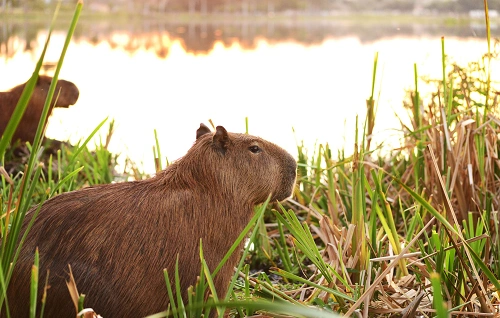
What the State Law Says
Under Texas’ exotic and wild-animal laws, capybaras are not explicitly banned statewide. One recent source states:
“Yes, it is legal to own a capybara in Texas. There are no state laws specifically prohibiting the ownership of capybaras.”
Another blog notes:
“Texas exotic pet ownership is largely unregulated by state law … no restrictions or permits required to own a capybara in the state.”
So from a purely state-statute perspective, capybaras are permitted — but this does not mean there are no rules you must follow.
Why Local Rules Matter Very Much
Because Texas gives counties and cities authority to regulate exotic animals and wildlife within their jurisdictions, owning a capybara could come with local restrictions. Some important considerations:
- Your county or city ordinance may require a permit to keep exotic mammals.
- Zoning or residential rules may forbid large exotic animals in certain neighborhoods.
- Housing requirements: capybaras are large, semi-aquatic animals needing space and water access.
- Veterinary access: you’ll need a vet experienced with exotic mammals.
- If you mix the capybara with other exotic species or use it for breeding/sale, further legal risk may apply.
Because of this, even though state law allows them in general, you must first check with your local animal control office, county’s exotic-animal permit office, or zoning department to ensure your specific locality allows capybaras.
What Owning a Capybara Involves
If you decide you want one and your locality allows it:
- Capybaras are the world’s largest rodents. They need substantial outdoor space, a secure enclosure, and a water feature (pond/pool) for swimming.
- They are social animals — many experts recommend you keep at least two so the animal has companionship.
- They need a diet rich in grasses, hay, vegetables, and constant water access.
- Vet care: find a veterinarian skilled in exotic mammals.
- Consider liability, escape risk, odor, and long-term commitment (capybaras live many years in captivity).
Potential Risks & Things to Watch
- Even though state law doesn’t ban capybaras, if your local jurisdiction requires a permit and you don’t have one, you risk citations or required removal.
- Some sources note that online data about exotic pet legality is broad and may not reflect every municipality. One article cautions that “some areas require a permit or health certificate.”
- Always verify whether the particular species is allowed. While capybaras are non-native to Texas, local rules may still categorize them as wild or exotic mammals needing special treatment.
- If you live in a subdivision or HOA, additional restrictions may apply beyond county laws.
- Importing or transporting an animal across county/state lines may trigger other regulations (health certificate, permits) even if ownership is allowed.
Final Word
Yes, owning a capybara in Texas is legal under state law, but it’s not automatic or without conditions. The important step is to confirm that your county and city allow capybaras (and don’t require special permits or refuse ownership). Then you’ll need to ensure you can meet the animal’s care, space, water, and social needs. If all that checks out, you could legally keep a capybara