Yes, it is legal to collect rainwater in Texas, and Texas actually encourages it. Rainwater harvesting is not only legal; it is protected by state law, supported by official guidelines, and even favored by some tax incentives. Texas was one of the first states in the nation to pass laws specifically supporting rainwater harvesting because of drought risk, agricultural needs, and limited groundwater supplies in many regions.
Many people think collecting rainwater might be illegal due to rules in some western states, but this is the opposite in Texas. Texas does not claim state ownership over rain that lands on private property. The state wants homeowners, businesses, and farmers to collect it responsibly — especially in areas struggling with water demand.
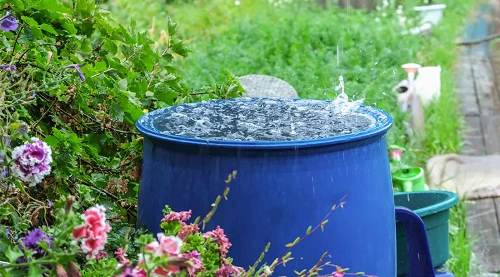
What Texas Law Says About Rainwater Harvesting
Texas Health & Safety Code and various building regulations directly protect the right to collect rainwater. Key features include:
Private Property Right to Collect Rainwater
Texas law recognizes that a homeowner or landowner has the right to capture and store rainwater from their roof or collection system on their own property.
No State Permit Required
You do not need a state permit or license for personal rainwater harvesting.
HOAs Cannot Ban Rainwater Harvesting
In 2011 and updated in later statutes, Texas law prohibits homeowners associations (HOAs) from banning rainwater collection systems. They can request reasonable rules (color, placement, aesthetic suitability), but they cannot forbid systems outright.
Important: An HOA may regulate placement, but not rights.
Where Can You Collect Rainwater?
Rainwater systems must typically collect water from:
- Roofs
- Gutter systems
- Runoff collection channels connected to roofs
What you cannot do:
- You cannot pump water illegally from creeks, streams, or neighboring property runoff without a water right.
- You cannot interfere with natural water flow in a way that harms a neighbor’s land.
Rainwater collection must come from your property’s precipitation runoff — not someone else’s.
Can You Drink Collected Rainwater?
Yes, but not directly from a barrel. Texas rules allow drinking harvested rainwater only if it is properly filtered, disinfected, and meets potable standards.
Most systems that provide drinking water to homes must follow additional rules:
If you plan to drink harvested rainwater:
- Proper filtration and disinfection are required
- The system must be designed to prevent contamination
- In some situations (especially new buildings relying solely on rainwater), a licensed professional installer may be required
Local plumbing codes may require backflow prevention if connecting to public water systems.
Commercial & Multifamily Buildings
Texas requires certain commercial new buildings to be weather-modification ready. More importantly:
State facilities (government buildings) must consider rainwater harvesting for:
- Landscaping
- Irrigation
- Potable and non-potable uses when feasible
Texas actively wants public buildings to reduce strain on public water systems.
Why Texas Encourages Rainwater Collection
Water scarcity affects millions of Texans. Rainwater harvesting:
- Reduces groundwater pumping
- Reduces demand on public utilities
- Supports agriculture and ranching
- Reduces stormwater flooding and erosion
- Provides clean water with proper treatment
Unlike some states, Texas sees rainwater collection as a solution, not a problem.
Are There Tax Incentives?
Some Texas counties and water districts offer:
- Property tax exemptions on systems
- Sales tax exemptions when purchasing rainwater harvesting equipment
- Rebates for installing systems (varies by region)
These incentives are local, not statewide, so availability varies.
Local Rules Still Matter
Although the state protects the right to collect rainwater, certain local requirements apply:
- Overflow must not damage neighboring property
- Tanks must be properly sealed to avoid mosquito breeding
- Large cisterns may require stormwater permits in some cities
- Underground tanks may require inspection for safety
These rules do not restrict ownership — only design and safety.
Final Note
Yes, collecting rainwater is completely legal in Texas, and the state actively promotes it. Homeowners, farmers, and businesses are encouraged to harvest rainwater, HOAs cannot ban systems, and certain tax benefits may apply. Only reasonable rules about safety, aesthetics, and contamination apply. Texas treats rainwater harvesting as a water-saving strategy, not a regulated restriction.