Yes, Texas legalized hemp in 2019 through House Bill 1325, which aligns with the 2018 federal Farm Bill. As long as hemp contains no more than 0.3% Delta-9 THC by dry weight, it is legal to grow, sell, and possess in Texas.
But that doesn’t mean everything made from hemp is automatically legal. Consumable hemp products, THC gummies, vapes, Delta-8 items, and hemp-derived Delta-9 products fall under specific state rules and a major federal crackdown scheduled for 2026 could change the entire marketplace.
What Texas Law Allows Right Now
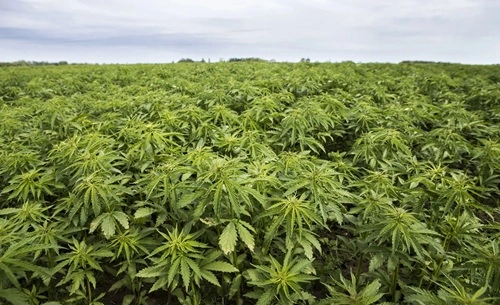
Hemp cultivation and production
Licensed farmers can legally grow hemp that meets the federal + state THC threshold (≤ 0.3% Delta-9 THC).
Hemp-derived products
Texas allows the sale of hemp-derived items such as:
- CBD oil
- CBD edibles (no intoxicating THC)
- Hemp-derived Delta-9 gummies (≤ 0.3% by dry weight)
- Delta-8 products — still legal after court battles
- Hemp topicals, flower, capsules, tinctures
Consumable hemp products
Texas regulates all consumable hemp items through the Department of State Health Services (DSHS).
Retailers must follow rules on:
- Testing
- COAs
- Labeling
- Age restrictions (commonly 21+ in practice)
The governor also issued an executive order in 2025 tightening ID checks, packaging rules, and enforcement on THC-containing hemp products.
What Texas Still Prohibits
Marijuana
Any cannabis that exceeds 0.3% Delta-9 THC is still illegal marijuana under Texas law.
Hemp products without compliance
Even if a product claims to be “hemp,” it becomes illegal if:
- It exceeds the THC limit
- It isn’t tested/labeled
- It’s marketed improperly
- It violates DSHS regulations
Manufacturing high-THC edibles
Producing marijuana-strength edibles is still illegal.
Major Federal Development You MUST Know
Congress recently passed a federal spending bill with a huge update affecting hemp nationwide.
This will override Texas law once it takes effect.
What the federal measure does:
- Redefines hemp to include a strict THC limit based on total THC, not just Delta-9.
- New limit: ~0.4 mg total THC per package — far stricter than the current 0.3% dry-weight rule.
- Bans most hemp-derived intoxicating products including Delta-8, Delta-10, HHC, and high-dose hemp-Delta-9 gummies.
- Expected to take effect around late 2026 (one-year phase-in).
Impact on Texas:
This federal change will effectively wipe out the current Texas hemp-THC market unless products are reformulated.
Legal CBD (non-intoxicating) will remain safe, but almost all intoxicating hemp gummies, vapes, and drinks will become illegal unless dosage is tiny.
Why Hemp Law Is So Complicated in Texas
Texas technically allows hemp, but the rules shift because:
- State law regulates labeling, THC limits, and retail sales.
- Federal law defines what counts as legal hemp in the first place.
- Courts keep ruling on Delta-8, Delta-9 processing, and product types.
- Local enforcement varies by county, especially for potent edibles.
So hemp is legal — but the details matter.
Practical Things Texans Should Know
- Hemp is legal to buy and possess if it meets the THC limit.
- Hemp-derived Delta-9 products must show COAs proving compliance.
- Delta-8 is currently legal in Texas, but the upcoming federal limit may ban it nationwide.
- Many retailers now enforce 21+ age limits even without a uniform statewide law.
- Law enforcement still seizes products if THC appears too high or packaging looks like marijuana.
- The hemp market in Texas may drastically change in 2026 when the new federal definition kicks in.
Final Take
In Texas, hemp is legal, and Texans can grow, sell, and buy hemp-derived products as long as they stay within the 0.3% Delta-9 THC limit and meet state testing and labeling rules. But the landscape is moving quickly. A major federal rule set for 2026 will likely eliminate most intoxicating hemp products, even if Texas lawmakers don’t change anything.